
Please share
High blood pressure (hypertension) is often called the “silent killer,” and for good reason. It frequently presents no symptoms while quietly damaging the arteries and increasing the risk of stroke, heart attack, and kidney failure. Because it is so prevalent—affecting nearly half of all adults—misinformation is rampant.
To help you navigate your cardiovascular health, we have compiled 20 of the most common myths and facts about high blood pressure, grounded in the latest clinical research and peer-reviewed science.
The Basics: Understanding the “Silent” Nature
Myth 1: I would feel symptoms if I had high blood pressure.
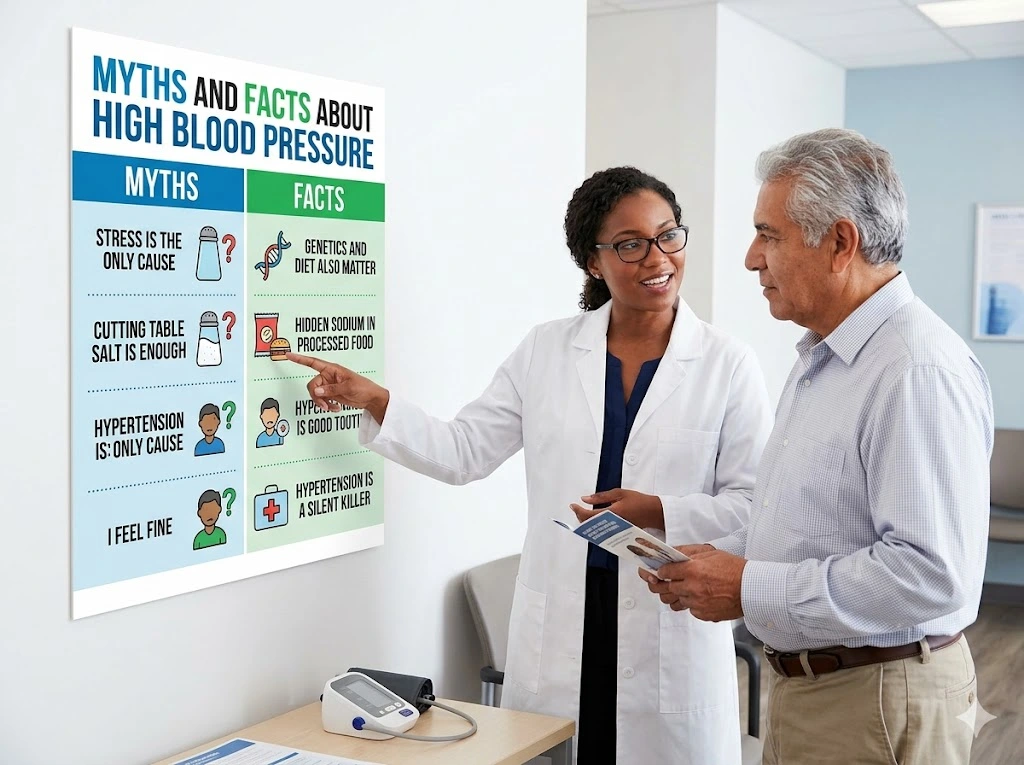
Fact: This is perhaps the most dangerous myth. Hypertension is often called the “silent killer. Most people with hypertension feel perfectly fine and experience no symptoms until complications like stroke, heart attack, or kidney disease occur. Regular monitoring is the only reliable way to detect it early. Waiting for symptoms is risky and often fatal.. Symptoms like headaches, nosebleeds, or dizziness usually only occur when blood pressure reaches a life-threatening crisis level ($180/120$ mmHg or higher).
Clinical Insight: Regular screening is the only way to know your numbers.
Myth 2: Hypertension only affects older people.
Fact: Hypertension can occur at any age. Rising obesity, poor diet, and sedentary lifestyles have led to increasing cases among young adults and even children. Early onset hypertension is particularly dangerous because it exposes the cardiovascular system to prolonged damage over decades. Screening should begin in adolescence, especially for those with family history or obesity.
[mailerlite_form form_id=4]Myth 3: If it runs in my family, there’s nothing I can do.
Fact: Genetics play a role, but they aren’t your destiny. Lifestyle interventions—such as the DASH (Dietary Approaches to Stop Hypertension) diet and regular exercise—can significantly delay or prevent the onset of hypertension even in those with a strong family history. Studies show that even those with strong family history can delay or prevent onset through healthy habits.
Diet and Lifestyle Misconceptions
Myth 4: Avoiding table salt is enough
Fact: Only a small percentage of dietary sodium comes from the saltshaker. Approximately 70–75% of sodium in the modern diet comes from processed foods, restaurant meals, and canned goods. Always check the labels for “hidden” sodium.
Myth 5: Sea salt is a “healthier” alternative to table salt.
Fact: Chemically, sea salt and table salt are virtually the same—both are roughly 40% sodium. While sea salt may contain trace minerals, it contributes to high blood pressure in exactly the same way as refined salt. Marketing often misleads consumers into believing specialty salts are safer. Potassium‑based substitutes may help, but they should be used under medical guidance, especially for people with kidney disease.
Myth 6: Red wine is good for the heart, so I can drink as much as I want.
Fact: While some studies suggest antioxidants in red wine might have minor benefits, excessive alcohol consumption is a major trigger for hypertension. Limit intake to one drink per day for women and two for men. The “French paradox” is overstated; lifestyle factors beyond wine consumption explain lower heart disease rates in some populations.
Myth 7: I can stop my medication once my numbers stay low.
Fact: Hypertension is often a lifelong condition. If your numbers are low, it means the medication and lifestyle changes are working. Stopping treatment without a doctor’s supervision can lead to a dangerous “rebound” spike in pressure.
Read more about Myths and Facts
Stress, Anxiety, and Demographics
Myth 8: Only “nervous” or “stressed” people have high blood pressure.
Fact: Stress can cause temporary spikes, but hypertension is a physical medical condition related to the narrowing of blood vessels and heart function. Calm, “laid-back” individuals can still have chronically high blood pressure.
Myth 9: Men are more likely to have high blood pressure than women.
Fact: It depends on age. Before age 64, men are at higher risk. However, after menopause, women’s risk increases significantly, often surpassing men of the same age.
Myth 10: Caffeine is a primary cause of chronic hypertension.
Fact: Caffeine causes a temporary, acute rise in blood pressure, but research has not definitively linked moderate coffee consumption to the development of chronic, long-term hypertension. Habitual coffee drinkers often develop tolerance.
Clinical Realities and Complications
Myth 11: My “top number” (Systolic) is the only one that matters.
Fact: Both numbers are critical. The systolic (top) measures pressure during a heartbeat, and diastolic (bottom) measures pressure between beats. While systolic is a major risk factor for cardiovascular disease in older adults, an elevated diastolic reading is also a health risk.
Myth 12: I can tell my blood pressure is high because my face gets flushed.
Fact: Facial flushing can happen for many reasons (sun, spicy food, emotional stress), but it is not a reliable indicator of blood pressure levels.
Myth 13: “White Coat Hypertension” isn’t a real problem.
Fact: Feeling anxious at the doctor’s office can raise your blood pressure, but studies show that people who experience “White Coat Hypertension” are at a higher risk of developing sustained hypertension later in life.
Myth 14: Medication is the only way to treat it.
Fact: For Stage 1 hypertension, doctors often recommend a 3- to 6-month trial of lifestyle changes (weight loss, exercise, and diet) before prescribing medication.
Advanced Myths: Medications and Natural Cures
Myth 15: Natural supplements can replace my BP medication.
Fact: While garlic, hibiscus, and magnesium have shown modest effects in studies, they are not potent enough to replace prescription medication for moderate to severe hypertension. Always consult a physician before switching to supplements.
Myth 16: Hypertension is curable with herbal remedies
Fact: No herbal cure exists. Some herbs may help modestly, but evidence is limited. Herbal remedies should never replace medical treatment.
Myth 17: If I have high blood pressure, I must avoid all exercise.
Fact: The opposite is true. Aerobic exercise strengthens the heart, allowing it to pump more blood with less effort. However, if your BP is extremely high, consult a doctor before starting a vigorous regimen.
Myth 18: Donating blood lowers my blood pressure permanently.
Fact: While some studies suggest regular donors might have slightly lower BP, blood donation is not a substitute for clinical treatment.
Myth 19: High blood pressure is inevitable with age.
Fact: It is common, but not inevitable. In societies with very low sodium intake and high physical activity, blood pressure does not significantly rise with age.
Myth 20: Only people who are overweight have high blood pressure.
Fact: Thin people can have hypertension too. Factors like smoking, kidney issues, thyroid problems, and high sodium intake affect people of all body types.
Myth 21: If I feel a headache coming on, I should double my dose.
Fact: Never alter your dosage without medical advice. Doubling blood pressure medication can lead to a dangerous drop in pressure (hypotension), causing fainting or falls.
Myth 22: Medication cures hypertension permanently
Fact: Drugs control blood pressure but don’t cure it. Lifestyle changes remain essential. Stopping medication without medical advice often leads to dangerous spikes.
Myth 23: Hypertension is rare in Africa
Fact: Prevalence is rising rapidly in sub‑Saharan Africa due to urbanization, diet changes, and reduced physical activity. Awareness and treatment rates remain low, making it a growing public health crisis.
Myth 24: Thin people don’t get hypertension
Fact: While obesity is a major risk factor, thin individuals can develop hypertension due to genetics, kidney disease, or other conditions. Everyone should monitor blood pressure regularly.
Myth 25: Hypertension is only about the heart
Fact: Hypertension damages multiple organs. It increases risk of kidney failure, stroke, dementia, and eye disease. Managing blood pressure protects the entire body, not just the heart.
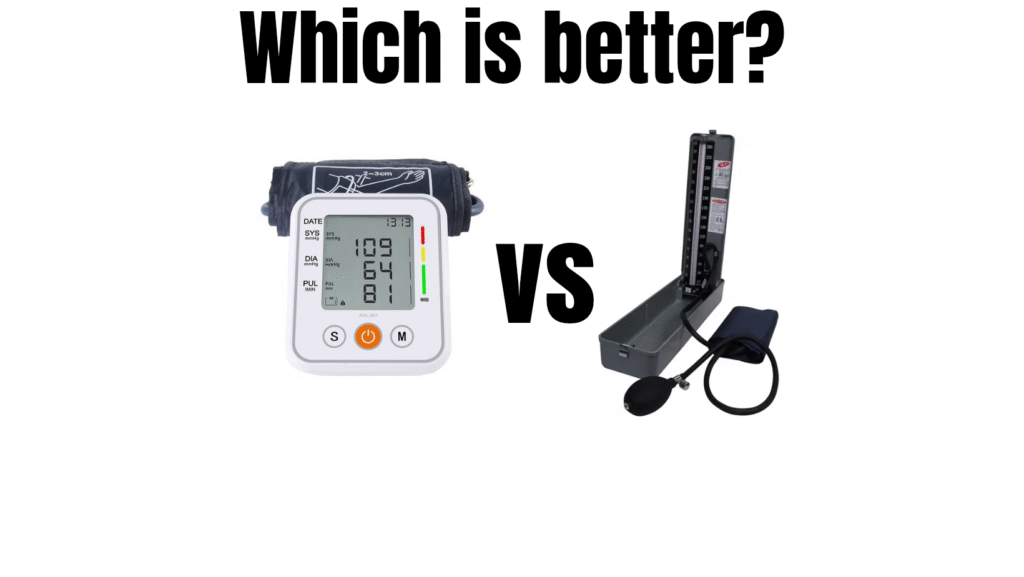
Myth 26: Home BP monitors aren’t reliable
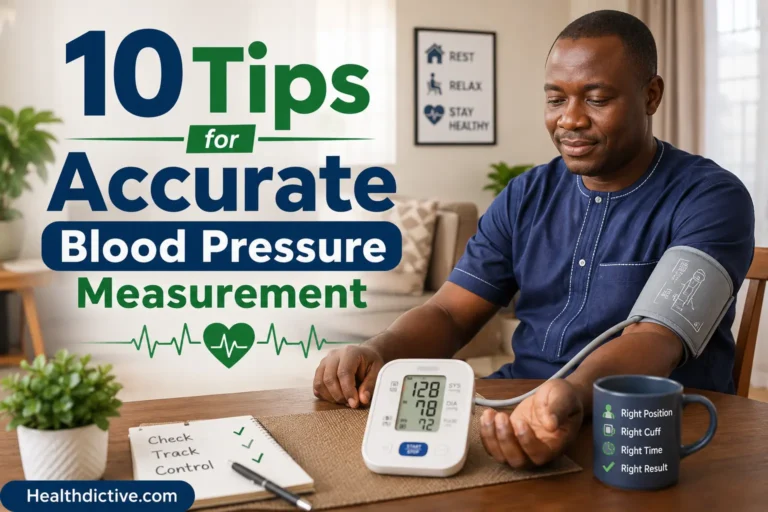
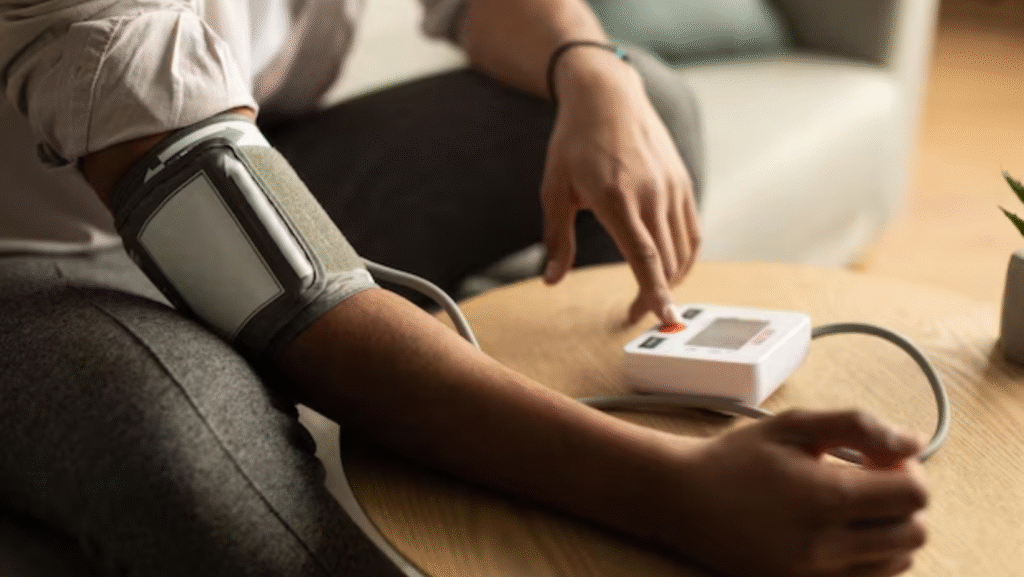
Fact: Validated monitors are accurate if used correctly. Home monitoring improves management and helps detect “white coat hypertension.” Proper technique is essential.
Myth 27: 140/90 mmHg is the cutoff for hypertension
Fact: Updated guidelines define hypertension as ≥130/80 mmHg. This change reflects evidence that cardiovascular risk begins earlier than previously thought. Even “elevated” blood pressure (120–129 systolic) increases long‑term risk.
Key Takeaways
- Hypertension is preventable and manageable.
- Lifestyle changes are as important as medication.
- Regular monitoring is critical, even without symptoms.
How to Prevent High Blood Pressure Naturally
Preventing hypertension requires consistent healthy habits. Key strategies include:
Eat a Heart-Healthy Diet
The DASH diet emphasizes:
- Fruits
- Vegetables
- Whole grains
- Low-fat dairy
- Lean proteins
- Reduced sodium
Maintain a Healthy Weight
Even modest weight loss may significantly reduce blood pressure.
Exercise Regularly
Aim for at least 150 minutes of moderate physical activity weekly.
Reduce Stress
Chronic stress may contribute to unhealthy behaviors that worsen hypertension.
Sleep Well
Poor sleep quality and sleep apnea are linked to elevated blood pressure.
Monitor Blood Pressure Regularly
Routine checks help detect problems early before complications develop.
When to Seek Medical Attention
Consult a healthcare professional if you experience:
- Persistent elevated blood pressure readings
- Chest pain
- Severe headaches
- Shortness of breath
- Vision problems
- Dizziness
Emergency care may be necessary for extremely high blood pressure readings or signs of stroke or heart attack.
Final Thoughts
High blood pressure remains one of the most misunderstood chronic health conditions worldwide but Understanding myths and facts about high blood pressure is the first step toward a longer, healthier life.Healthy eating, exercise, stress reduction, proper medical care, and regular monitoring all play crucial roles in maintaining healthy blood pressure and reducing cardiovascular risks. Misconceptions can delay diagnosis, worsen complications, and prevent people from making informed decisions about their health.
Separating myths from facts is one of the most important steps toward protecting long-term heart health.
Conclusion: Taking Control
Understanding the high blood pressure myths and facts is the first step toward a longer, healthier life. Hypertension is a manageable condition, but it requires vigilance, accurate information, and a partnership with your healthcare provider.
Key Recommendations for Management:
- Monitor at home: Use a validated cuff to track your numbers.
- The 1,500mg Rule: Aim for less than 1,500mg of sodium per day if you have hypertension.
- Stay Active: 150 minutes of moderate intensity exercise per week is the gold standard.