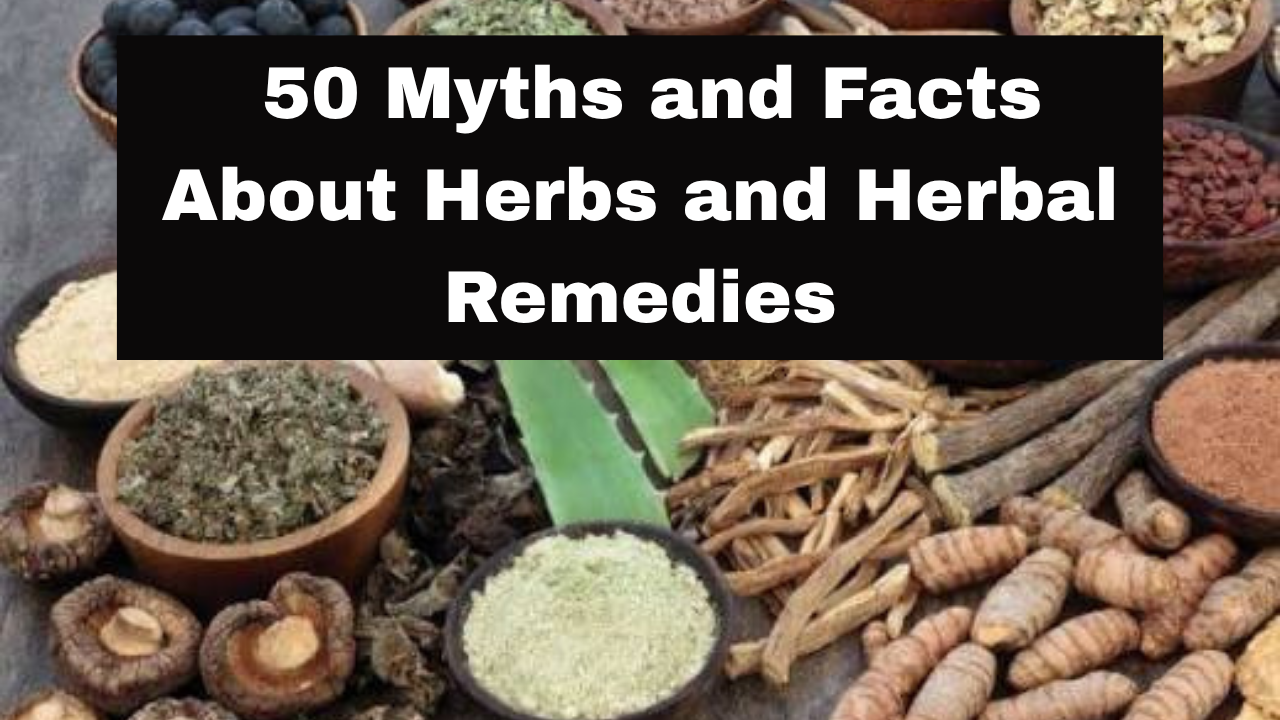

Herbal medicine remains one of the oldest and most widely used forms of healthcare in the world. Despite its long history and increasing scientific interest, misconceptions about herbal remedies continue to persist.
Claims of miracle cures, assumptions of absolute safety, and skepticism about effectiveness often shape public perception—frequently without evidence. Such misunderstandings can lead to misuse, reduced effectiveness, or even harmful outcomes.
This article examines 50 myths and facts about herbs and herbal remedies, providing clarity and helping readers make informed, responsible decisions about their use.
Safety Myths
1. Myth: Because herbs are natural, they are always safe.
Fact: Many plants contain powerful chemicals that can affect the body strongly.
Example: Azadirachta indica (neem) is widely used medicinally, but the concentrated extracts may irritate the stomach and affect the liver if overused.
2. Myth: Herbal remedies can not cause side effects.
Fact: Herbs can cause side effects just like pharmaceutical drugs.
Explanation: Some people may experience nausea, headaches, dizziness, or allergic reactions depending on the herb.
3. Myth: Herbal medicines cannot damage organs.
Fact: Certain herbs may affect the liver, kidneys, or heart when taken in high doses or for long periods.
4. Myth: Natural medicine is always safer than modern medicine.
Fact: Safety depends on dose, preparation, and correct use, not whether the product is natural or synthetic.
5. Myth: Drinking herbal mixtures daily improves general health.
Fact: Taking herbs unnecessarily can expose the body to chemicals it does not need.
Dosage Myths
6. Myth: Taking larger amounts of herbs makes them work faster.
Fact: High doses increase the risk of toxicity.
7. Myth: Herbal remedies do not require precise dosage.
Fact: Correct dosage is essential because plant chemicals can accumulate in the body.
8. Myth: Traditional practitioners always know the correct dose.
Fact: Many herbal remedies lack standardized dosing guidelines.
9. Myth: Children can take the same herbal medicine as adults.
Fact: Children require smaller and carefully measured doses.

Struggling with high blood sugar, fatigue, or fear of complications?
You’re not alone — and more importantly, you’re not powerless.
This book gives you a clear, practical roadmap to prevent and manage diabetes naturally — without confusion, extreme diets, or relying solely on medication.
Inside, you’ll discover:
✔️ How to naturally stabilize your blood sugar levels
✔️ Simple daily habits that reduce insulin resistance
✔️ Powerful herbs and foods that support glucose control
✔️ Easy meal strategies that don’t feel restrictive
✔️ Warning signs most people ignore (until it’s too late)
✔️ How to prevent complications like nerve damage and fatigue
Whether you’re prediabetic, newly diagnosed, or managing diabetes long-term, this guide will help you take back control of your health — one step at a time.
10. Myth: Drinking herbal tea several times daily increases effectiveness.
Fact: Overuse may strain the digestive system or other organs.
Preparation Myths
11. Myth: Boiling herbs for a long time increases their potency.
Fact: Excessive boiling can destroy beneficial compounds.
12. Myth: Combining many herbs produces a stronger medicine.
Fact: Too many ingredients can lead to harmful interactions.
13. Myth: Alcohol-based herbal mixtures are always more effective.
Fact: Alcohol may extract some compounds, but excessive alcohol can harm the liver.
14. Myth: Fresh herbs are always better than dried herbs.
Fact: Some herbs retain their medicinal compounds better when dried properly.
15. Myth: Herbs never expire.
Fact: Herbal products lose potency and may grow mold over time.
Treatment Myths
16. Myth: Herbs can cure every illness.
Fact: Herbs may support treatment but cannot cure all diseases.
17. Myth: Herbal remedies can completely replace hospital treatment.
Fact: Serious illnesses require professional medical care.
18. Myth: Herbs provide instant cures for chronic diseases.
Fact: Chronic conditions often require long-term management.
19. Myth: One herb can treat many unrelated diseases.
Fact: Different diseases have different causes and require different treatments.
20. Myth: If a herb works for one person, it will work for everyone.
Fact: Individual responses vary based on health status, genetics, and lifestyle.
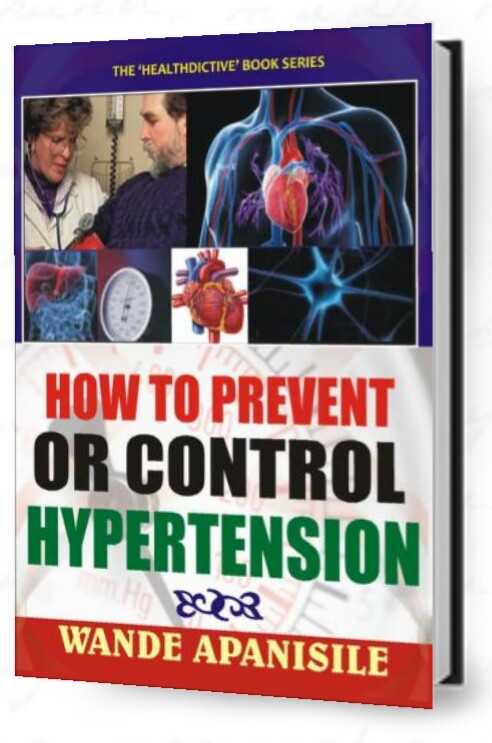
Learn how to manage high blood pressure successfully at home by practicing the life-changing information in this ebook.
You will find this book extremely useful if you want to save time, money with plenty of peace of mind.
In this e-book, you will learn what your doctor failed to tell you.
Diagnosis Myths
21. Myth: Herbal treatment does not require diagnosis.
Fact: Understanding the underlying cause of illness is important.
22. Myth: Symptoms alone are enough to determine herbal treatment.
Fact: Many diseases share similar symptoms.
23. Myth: Laboratory tests are unnecessary if herbs are used.
Fact: Tests help confirm disease and monitor treatment.
Interaction Myths
24. Myth: Herbs cannot interact with pharmaceutical drugs.
Fact: Herb–drug interactions are common.
25. Myth: You can mix herbal remedies with any medication safely.
Fact: Some combinations increase side effects or reduce drug effectiveness.
26. Myth: Herbs do not affect surgical procedures.
Fact: Some herbs can increase bleeding or affect anesthesia.
Pregnancy Myths
27. Myth: Pregnant women can safely drink herbal bitters.
Fact: Certain herbs may stimulate uterine contractions.
28. Myth: Herbs cannot affect unborn babies.
Fact: Some plant compounds cross the placenta.
29. Myth: Traditional herbs are always safe during pregnancy.
Fact: Many herbs lack safety studies for pregnant women.
Quality Myths
30. Myth: Bottled herbal mixtures are always safe.
Fact: Some products contain undisclosed ingredients.
31. Myth: Herbs sold in markets are guaranteed safe.
Fact: Some may be contaminated with pesticides or heavy metals.
32. Myth: All herbal products are tested before sale.
Fact: Many products are sold without proper quality testing.
Cultural Myths
33. Myth: Traditional medicine has no scientific value.
Fact: Many modern drugs originate from plants.
34. Myth: Herbal medicine is outdated.
Fact: Many traditional remedies remain valuable today.
35. Myth: Modern medicine and herbal medicine cannot work together.
Fact: Integrative approaches can sometimes be beneficial when guided properly.
Knowledge Myths
36. Myth: All herbal practitioners understand plant toxicity.
Fact: Knowledge levels vary widely.
37. Myth: All medicinal plants have been thoroughly studied.
Fact: Many plants still lack scientific research.
38. Myth: Traditional knowledge always guarantees safety.
Fact: Scientific testing helps confirm safety and effectiveness
Usage Myths
39. Myth: Bitter herbs are always medicinal.
Fact: Bitterness alone does not determine medicinal value.
40. Myth: All herbs cleanse the blood.
Fact: “Blood cleansing” is often a vague concept without clear medical meaning.
41. Myth: Herbal detox is necessary for everyone.
Fact: The liver and kidneys already detoxify the body naturally.
Storage Myths
42. Myth: Herbs remain effective forever.
Fact: Their chemical compounds degrade over time.
46. Myth: If many people use a herb, it must be effective.
Fact: Popularity does not equal effectiveness.
43. Myth: Storage conditions do not matter.
Fact: Heat, sunlight, and moisture reduce potency.
44. Myth: Plastic containers do not affect herbal quality.
Fact: Some plant compounds react with plastic over time.
Evidence Myths
45. Myth: Personal testimonies prove herbal effectiveness.
Fact: Scientific research is required to confirm medical benefits.
Misconception Myths
47. Myth: Herbs work the same for everyone.
Fact: Individual responses vary widely.
48. Myth: Herbal mixtures are always pure.
Fact: Contamination with microbes or chemicals can occur.
49. Myth: Herbs cannot cause allergies.
Fact: Plant compounds can trigger allergic reactions.
50. Myth: Herbal medicine does not need regulation.
Fact: Regulation helps ensure safety, quality, and correct labeling.
Disclaimer
The content in our articles is not meant to substitute a personal consultation with a qualified healthcare professional and should not be considered medical advice.