
Sickle cell disease remains one of the most common inherited blood disorders in Nigeria. Millions of Nigerians live with the condition, facing recurrent pain crises, anemia, fatigue, infections, and organ complications. While conventional medical treatment remains essential, many families also explore herbal remedies to support overall wellness, reduce inflammation, improve immunity, and manage symptoms naturally.
Sickle Cell Disease (SCD) remains one of the most significant health challenges in sub-Saharan Africa. In Nigeria, where the prevalence of the sickle cell trait is estimated between 20% and 30%, the reliance on traditional medicine is not just a cultural preference but a clinical reality (WHO Regional Office for Africa, n.d.). Recent data suggests that approximately 60% of SCD patients in West Africa utilize herbal remedies to manage symptoms and reduce the frequency of vaso-occlusive crises (Liv Hospital, 2026).
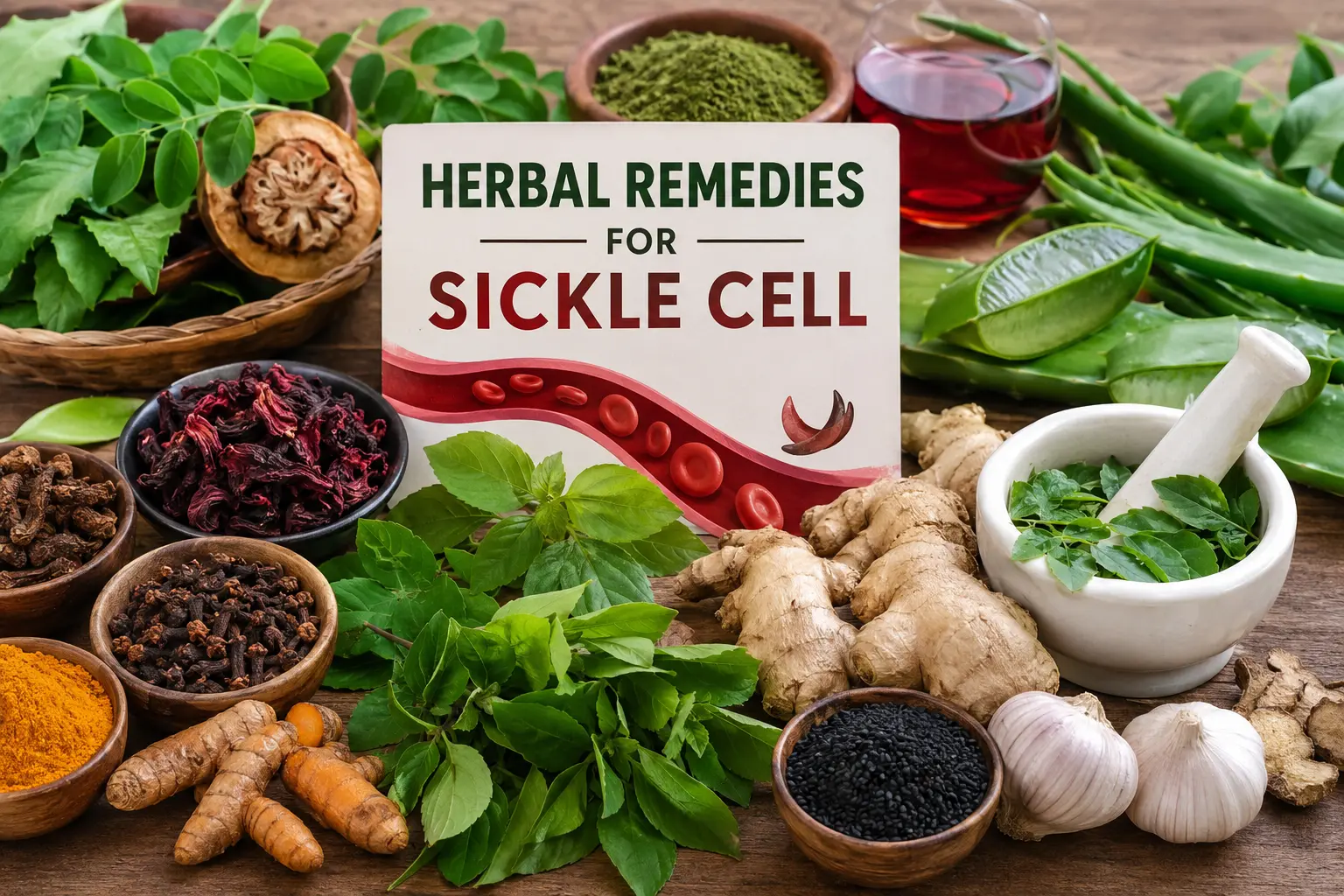
This guide examines 20 commonly used herbal remedies for sickle cell in Nigeria, including their traditional uses, available scientific evidence, safety considerations, and practical ways they are used alongside medical care. It explores the most potent Nigerian herbal remedies for sickle cell, grounded in the latest 2026 scientific research, clinical trials, and ethnobotanical studies.
1. The Science of Anti-Sickling Plants in Nigeria
The primary goal of herbal management in SCD is to prevent the polymerization of Hemoglobin S (HbS) and reduce oxidative stress. Nigerian flora is rich in phytochemicals—such as anthocyanins, flavonoids, and saponins—that have demonstrated the ability to inhibit the sickling of red blood cells (RBCs) in vitro (Bhatt et al., 2026).
Key Phytochemical Mechanisms:
- Antisickling Activity: Reversing or preventing the crescent shape of RBCs.
- Membrane Stabilization: Increasing the resistance of RBCs to hemolysis (bursting).
- Erythropoiesis Support: Promoting the production of healthy red blood cells to combat anemia.
What Is Sickle Cell Disease?
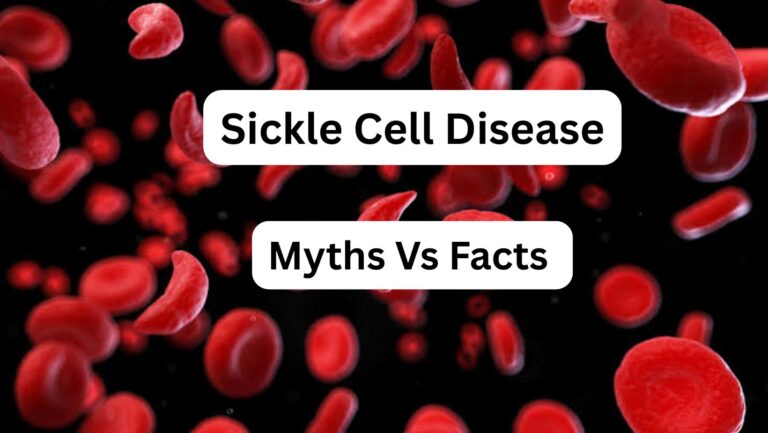
Sickle Cell Disease is an inherited condition affecting hemoglobin, the protein that carries oxygen in red blood cells. Instead of remaining flexible and round, sickled red blood cells become rigid and crescent-shaped, blocking blood flow and causing pain crises, fatigue, infections, and anemia.
Nigeria has one of the world’s highest burdens of sickle cell disease, making herbal and nutritional support a major area of public interest and research.
Important Medical Disclaimer
Herbal remedies are not a cure for sickle cell disease. Patients should never stop prescribed medications without consulting qualified healthcare professionals. Some herbs may interact with medications or worsen complications if used improperly.
The safest approach combines:
- Regular medical care
- Proper hydration
- Nutritious diet
- Infection prevention
- Physician-approved herbal support
Sickle Cell Disease affects millions of people in Nigeria and remains one of the most common inherited blood disorders in Africa. The condition causes abnormal red blood cells that can block blood vessels, trigger severe pain crises, increase infection risk, and damage organs over time.
Because sickle cell disease requires lifelong care, many Nigerians combine hospital treatment with herbal remedies to support immunity, blood health, hydration, and inflammation control.
This evidence-based guide explains:
- 20 herbal remedies for sickle cell
- How to use each herb
- Traditional dosage methods
- Safety precautions
- Scientific evidence
- Frequently asked questions
Important: Herbal remedies do not cure sickle cell disease. Patients should continue prescribed medications and regular medical care.
Why Herbal Support Matters in Sickle Cell Disease
People living with Sickle Cell Disease often experience:
- Oxidative stress
- Chronic inflammation
- Low immunity
- Fatigue
- Recurrent pain crises
- Nutritional deficiencies
Several Nigerian medicinal plants contain:
- Antioxidants
- Anti-inflammatory compounds
- Vitamins and minerals
- Immune-supportive phytochemicals
These may help support overall wellness when properly used.
Top Scientifically Validated Nigerian Herbal Remedies
Niprisan (Nicosan®)
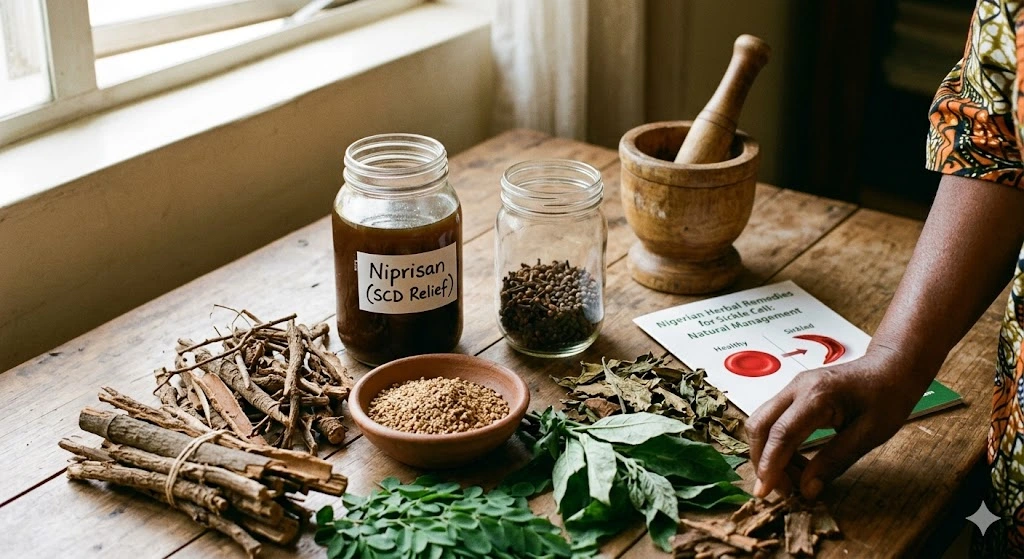
Perhaps the most famous Nigerian contribution to SCD phytomedicine, Niprisan is a mixture of four plants: Piper guineense (West African Black Pepper), Pterocarpus osun, Eugenia caryophyllata (Clove), and Sorghum bicolor.
- Clinical Evidence: A double-blind, placebo-controlled trial confirmed that Niprisan significantly reduces the frequency of painful crises and is safe for liver and renal functions (ResearchGate, 2026).
- Mechanism: It works by increasing the affinity of hemoglobin for oxygen, thereby preventing the formation of sickle-shaped cells (Liv Hospital, 2026).
Ciklavit® (Cajanus cajan)
Derived from the seeds of the Pigeon Pea (Cajanus cajan), Ciklavit is widely used across Nigeria.
- Research Findings: Studies have shown that aqueous extracts of Cajanus cajan seeds can reduce the percentage of sickled cells from over 90% to approximately 41% in experimental models (Bhatt et al., 2026).
- Nutritional Benefit: It is rich in essential amino acids and minerals that support overall blood health.
1. Bitter Leaf (Vernonia amygdalina)
Bitter Leaf is widely used in Nigerian traditional medicine for blood purification and immune support.
Benefits
- Rich in antioxidants
- May reduce oxidative stress
- Traditionally used for blood purification
- Supports immunity
- Anti-inflammatory properties

Traditional Use
Fresh leaves are washed and taken as juice or prepared as soup.
Scientific Insight
Research suggests bitter leaf contains flavonoids and phenolic compounds that may help reduce oxidative damage associated with sickle cell complications.
Dosage
- Adults: ½ cup once daily
- Children: Small supervised quantities
Caution
- Excessive intake may cause stomach irritation
- Avoid highly concentrated preparations
2. Moringa (Moringa oleifera)
Moringa is rich in vitamins, iron, calcium, and antioxidants.
Benefits
- Supports blood formation
- Helps nutritional deficiencies
- Boosts immunity
- Reduces inflammation
How to Use
- Add powder to pap, smoothies, soups, or tea
Dosage
- 1–2 teaspoons daily
Caution
- Excessive intake may cause digestive upset
3. Black Seed (Ewe Eje) – Nigella sativa
Black Seed is called “Ewe Eje” in some traditional Nigerian herbal circles and is widely valued for immune and blood support.
Benefits
- Powerful antioxidant activity
- May reduce inflammation
- Supports immunity
- May help oxidative stress linked to sickle cell complications
How to Use
- Black seed oil
- Ground seeds in warm water or honey
- Herbal tea infusion
Dosage
- Oil: ½–1 teaspoon daily
- Seeds: ½ teaspoon once daily
Caution
- Excess amounts may lower blood pressure excessively
- May interact with blood-thinning medications
- Pregnant women should seek medical advice first
4. Ginger (Zingiber officinale)
Ginger helps support circulation and inflammation control.
Benefits
- Anti-inflammatory properties
- Pain support
- Helps nausea and digestion
How to Use
Boil fresh ginger slices in water for tea.
Dosage
- 1 cup daily
Caution
Avoid excessive intake if using blood thinners.
Related Articles
5. Garlic (Allium sativum)
Garlic supports circulation and immune function.
Benefits
- Antioxidant support
- Circulatory support
- Antimicrobial properties
How to Use
- Raw cloves
- Mixed into meals
- Garlic tea
Dosage
- 1–2 cloves daily
Caution
May increase bleeding tendency in large amounts.
6. Turmeric (Curcuma longa)
Turmeric contains curcumin, a major anti-inflammatory compound.
Benefits
- Reduces inflammation
- Antioxidant effects
- Supports vascular health
How to Use
Mix with warm milk, tea, or soups.
Dosage
- ½–1 teaspoon daily
Caution
Avoid excessive doses in gallbladder disease.
7. Scent Leaf (Ocimum gratissimum)
Scent Leaf is widely used in Nigerian homes.
Benefits
- Antimicrobial effects
- Supports respiratory health
- Rich in antioxidants
How to Use
Prepare as tea or add to soups.
Dosage
- 1 cup tea daily
Caution
Use moderate amounts only.
8. Neem (Azadirachta indica)
Neem is traditionally used for infections and fever.
Benefits
- Immune support
- Antioxidant activity
- Anti-inflammatory properties
How to Use
Neem leaves are boiled lightly as tea.
Dosage
- ½ cup occasionally
Caution
Long-term excessive use may affect the liver or kidneys.
9. Hibiscus (Zobo)
Hibiscus Tea supports hydration and antioxidant intake.
Benefits
- Rich in vitamin C
- Helps hydration
- Supports heart health
How to Use
Prepare zobo drink with low sugar.
Dosage
- 1 cup daily
Caution
May lower blood pressure.
10. Pawpaw Leaf (Carica papaya)
Papaya leaves are used traditionally for blood support.
Benefits
- Antioxidant properties
- Immune support
- Traditionally linked to blood wellness
How to Use
Boil leaves gently for tea.
Dosage
- Small cup 2–3 times weekly
Caution
Avoid highly concentrated extracts.
11. Fluted Pumpkin Leaf (Ugu)
Fluted Pumpkin is commonly recommended for blood support.
Benefits
- Iron-rich
- Supports nutrition
- Antioxidant effects
How to Use
Fresh juice or vegetable soup.
Dosage
- Moderate servings regularly
Caution
Wash thoroughly before use.
12. Aloe Vera
Aloe Vera supports digestion and hydration.
Benefits
- Hydration support
- Antioxidant compounds
- Digestive support
How to Use
Use small quantities of aloe gel in juice.
Dosage
- 1–2 tablespoons occasionally
Caution
Avoid aloe latex because it may cause diarrhea.
13. Clove
Clove contains antioxidant compounds.
Benefits
- Reduces oxidative stress
- Anti-inflammatory effects
How to Use
Tea infusion or cooking spice.
Dosage
- Small quantities only
Caution
Too much may irritate the stomach.
14. Lemongrass
Lemongrass is used for relaxation and wellness.
Benefits
- Calming effect
- Antioxidant support
- May support sleep
How to Use
Tea infusion.
Dosage
- 1 cup daily
Caution
Avoid excessive intake during pregnancy.
15. Guava Leaf
Guava is rich in phytochemicals.
Benefits
- Antioxidant properties
- Digestive support
- Antimicrobial effects
How to Use
Tea infusion.
Dosage
- 1 cup daily
Caution
Moderate intake recommended.
16. Aidan Fruit
Aidan Fruit is used traditionally in West Africa.
Benefits
- Anti-inflammatory compounds
- Supports recovery and wellness
How to Use
Cook in soups or herbal decoctions.
Dosage
- Small culinary amounts
Caution
Avoid concentrated mixtures.
17. Coconut Water
Coconut Water helps hydration.
Benefits
- Electrolyte replacement
- Reduces dehydration risk
How to Use
Fresh coconut water.
Dosage
- 1 cup daily
Caution
Monitor sugar intake in diabetic patients.
18. Date Fruit
Date Palm provides natural energy and minerals.
Benefits
- Iron support
- Energy boost
- Antioxidants
How to Use
Eat as snacks.
Dosage
- 2–4 dates daily
Caution
High natural sugar content.
19. African Basil
African Basil is used traditionally for fever and inflammation.
Benefits
- Immune support
- Respiratory support
How to Use
Tea or soups.
Dosage
- 1 cup tea daily
Caution
Use moderate amounts.
20. Fagara (Zanthoxylum zanthoxyloides)
Fagara has been studied in West African sickle cell research and has shown possible antisickling activity in research.
Potential Benefits
- Possible antisickling activity
- Antioxidant effects
- Traditional pain support
Research Interest
Some Nigerian studies have investigated its potential effects on sickled red blood cells.
How to Use
Traditionally prepared as decoction.
Dosage: Small supervised amounts only
Caution: Use only under guidance from experienced practitioners.
Best Practices for Sickle Cell Patients Using Herbs
Stay Hydrated as dehydration may trigger pain crises. Avoid Fake Herbal Products, Use trusted sources only.
Combine Herbs With Proper Nutrition
Eat:
- Fruits
- Vegetables
- Protein-rich foods
- Iron-containing foods
Continue Hospital Care
Herbs should support — not replace — professional medical treatment.
Frequently Asked Questions (FAQ)
Which Herb Is Best for Sickle Cell in Nigeria?
Moringa, Bitter Leaf, and Black Seed are among the most commonly discussed herbs for blood and immune support.
Can Herbal Remedies Cure Sickle Cell?
No. There is currently no scientifically proven herbal cure for Sickle Cell Disease.
Is Black Seed (Ewe Eje) Good for Sickle Cell?
Black Seed may help reduce inflammation and oxidative stress because of its antioxidant compounds.
Which Drink Helps Sickle Cell Patients?
Hydrating drinks such as:
- Water
- Coconut water
- Low-sugar zobo
may help support hydration.
Is Moringa Safe Daily?
Moderate daily use is generally considered safe for many adults, but excessive use may cause stomach upset.
Can Children Use These Herbs?
Children should only use herbs under supervision from qualified healthcare professionals.
Managing Sickle Cell Symptoms Naturally
Beyond specific anti-sickling agents, Nigerian traditional medicine emphasizes holistic management:
Pain Management
Plants with anti-inflammatory properties, such as Turmeric (Curcuma longa) and Clove, are used to manage the chronic inflammation associated with SCD (Liv Hospital, 2026).
Boosting Blood Levels
To combat anemia, extracts of Sorghum bicolor and Parquetina nigrescens are frequently used. These plants are rich in iron and phytochemicals that stimulate the bone marrow to produce more red blood cells (ResearchGate, 2026).
Safety, and Precautions
While herbal remedies offer significant potential, “natural” does not always mean “safe.”
- Liver Monitoring: Standardized remedies like Niprisan have shown no significant changes in liver enzymes or renal damage in major trials, but “agbo” (unstandardized decoctions) may carry risks (Pomaa et al., 2026).
- Standardization: The primary challenge is the lack of standardized dosing in locally prepared remedies.
- Consultation: Always consult with a hematologist before integrating herbal supplements with conventional treatments like Hydroxyurea.
Conclusion
Natural remedies remain deeply important in Nigerian healthcare traditions, especially for managing chronic conditions like Sickle Cell Disease. Herbs such as Moringa, Black Seed, Bitter Leaf, and Fagara may offer supportive benefits through antioxidant, nutritional, and anti-inflammatory effects.
Still, sickle cell disease requires proper medical management. The strongest strategy combines:
- Physician-guided treatment
- Nutrition
- Hydration
- Infection prevention
- Carefully monitored herbal support
References
Akinsulie, A. O., Temiye, E. O., Akanmu, A. S., & Lesi, F. E. A. (2005). Clinical evaluation of extract of Cajanus cajan in sickle cell anaemia. Journal of Tropical Pediatrics, 51(4), 200–205.
Egunyomi, A., Moody, J. O., & Eletu, O. M. (2009). Antisickling activities of two ethnomedicinal plant recipes used for the management of sickle cell anemia in Nigeria. African Journal of Biotechnology, 8(1), 20–25.
Mpiana, P. T., Ngbolua, K. N., Tshibangu, D. S. T., et al. (2014). Antisickling activity of medicinal plants used in the management of sickle cell disease in Africa. Journal of Ethnopharmacology, 151(1), 425–429.
Ogunyemi, C. M., Elujoba, A. A., & Durosinmi, M. A. (2008). Antisickling properties of Carica papaya leaf extract. African Journal of Biomedical Research, 11(1), 27–33.
Okpuzor, J., Adebesin, O., Ogbunugafor, H., & Amadi, I. (2008). Medicinal plants in sickle cell disease control. International Journal of Biomedical and Health Sciences, 4(2), 47–55.
World Health Organization. (2023). Sickle-cell disease. World Health Organization
Liv Hospital. (2026, April 22). Treatment for sickle cell anemia: Natural way. https://int.livhospital.com/treatment-for-sickle-cell-anemia-natural-way/
Pomaa, E. R. A., Ansah, J., & Norgah, B. M. (2026). The efficacy of herbal medicines used in the management of sickle cell disease: A systematic review of two randomised control studies. University of Ghana. https://pure.ug.edu.gh/en/publications/the-efficacy-of-herbal-medicines-used-in-the-management-of-sickle/
PubMed. (2018, February 15). Phytomedicines (medicines derived from plants) for sickle cell disease. https://pubmed.ncbi.nlm.nih.gov/29446825/
ResearchGate. (2026, April 16). Evidence-based management of sickle cell disease: Ethnobotanical survey and laboratory validation of traditional herbal recipes. https://www.researchgate.net/publication/403534186_Evidence-Based_Management_of_Sickle_Cell_Disease_Ethnobotanical_Survey_and_Laboratory_Validation_of_Traditional_Herbal_Recipes
WHO Regional Office for Africa. (n.d.). Sickle cell disease. https://www.afro.who.int/publications/sickle-cell-disease