
Updated: September 2026
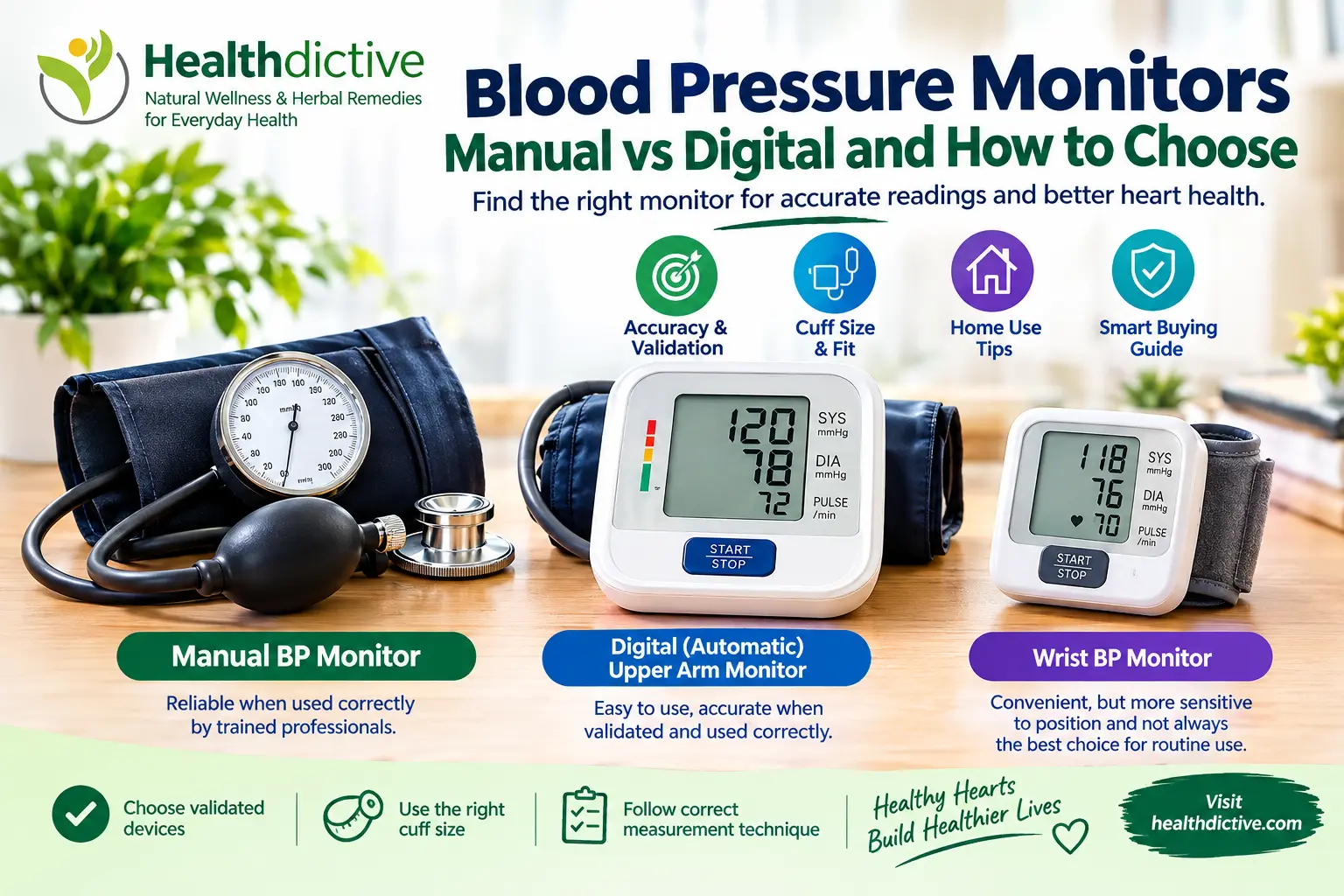
Blood pressure monitoring is a cornerstone of preventive healthcare and chronic disease management. Whether you’re a healthcare professional, a patient managing hypertension, or someone interested in tracking your cardiovascular health, choosing the right blood pressure monitor is essential. The two primary types of monitors—manual and digital—each have distinct advantages and limitations.
Choosing a blood pressure monitor can be confusing.
Should you buy a manual or digital device? Is an upper-arm monitor better than a wrist monitor? How do you know whether a blood pressure monitor is accurate? Does a more expensive monitor automatically mean better results?
For most people monitoring their blood pressure at home, the preferred choice is a validated automatic upper-arm blood pressure monitor with a correctly sized cuff.
The important word is validated.
A monitor can be digital, expensive, Bluetooth-enabled, or sold by a reputable retailer and still not be independently validated for blood pressure measurement. At the same time, a properly validated automatic monitor can provide useful and reliable readings when used correctly.
This guide explains the differences between manual and digital blood pressure monitors and, more importantly, shows you what to look for when buying a monitor for yourself or a family member.
Quick answer: For routine home monitoring, choose a validated automatic upper-arm blood pressure monitor with the correct cuff size. Learn how to use it correctly and consider taking it to a healthcare appointment to compare its readings with a professional measurement.
Table of Contents
Understanding the Basics
What Is a Blood Pressure Monitor?
A blood pressure monitor, also called a blood pressure machine, BP monitor, or sphygmomanometer, measures the pressure of blood against the walls of your arteries.
A blood pressure reading contains two numbers:
- Systolic blood pressure: the pressure when the heart contracts.
- Diastolic blood pressure: the pressure when the heart relaxes between beats.
For example, a reading of 120/80 mmHg has a systolic pressure of 120 mmHg and a diastolic pressure of 80 mmHg.
Home monitoring can help healthcare professionals understand how your blood pressure behaves outside the clinic.
However, one reading should not normally be used on its own to diagnose or rule out hypertension. Blood pressure varies throughout the day and can be affected by activity, stress, caffeine, smoking, pain, medications, illness, and measurement technique.
What Is the Best Blood Pressure Monitor for Home Use?
For most adults, an automatic validated upper-arm blood pressure monitor is the best starting point.
When choosing a monitor, look for these features:
- Upper-arm measurement
- Independent validation
- Correct cuff size
- Easy-to-read display
- Ability to store multiple readings
- Reliable manufacturer and warranty
- Optional features such as Bluetooth, averaging and irregular-heartbeat detection
You do not necessarily need the most expensive monitor.
Accuracy, validation, and correct cuff fit are more important than having the largest number of extra features.
Manual vs Digital Blood Pressure Monitors
Manual and digital monitors use different methods to determine blood pressure.
Manual Blood Pressure Monitors
Manual monitors, also known as aneroid sphygmomanometers, consist of:
- an inflatable cuff,
- a pressure gauge,
- a stethoscope.
These devices require the user to inflate the cuff manually around the upper arm and listen for Korotkoff sounds through the stethoscope to determine systolic and diastolic pressure. The first detectable Korotkoff sound corresponds approximately to systolic blood pressure, while the disappearance of the sounds corresponds approximately to diastolic blood pressure.
They are commonly used in clinical settings and are considered the gold standard for accuracy when operated by trained professionals.
Digital Blood Pressure Monitors
Digital monitors use oscillometric technology to detect blood flow and measure pressure. They feature automated inflation and a digital display that shows the readings. These devices are widely used for home monitoring and are recommended for individuals who need regular blood pressure checks without medical supervision.
Manual Blood Pressure Monitor: Pros and Cons
Pros
1. High Accuracy in Skilled Hands
Manual blood pressure monitors can provide accurate measurements when used by a properly trained professional with appropriate technique. However, for most people measuring blood pressure at home, a validated automatic upper-arm monitor is easier to use and is the preferred choice. They allow for direct auscultation of blood flow sounds, which can provide more accurate readings than digital sensors, especially in clinical environments.
2. No Power Dependency
These devices do not require batteries or electricity, making them reliable in any setting, including remote areas or during power outages.
3. Durability and Longevity
Manual monitors are built to last. With proper maintenance and occasional calibration, they can function effectively for decades.
4. Cost-Effective Over Time
While some high-end models may be expensive, manual monitors generally have fewer components that can fail, reducing long-term costs.
5. Preferred in Clinical Settings
Healthcare professionals often rely on manual monitors for their consistency and reliability, especially when confirming readings from digital devices.
Cons
1. Requires Training and Skill
Using a manual monitor correctly involves understanding how to position the cuff, inflate it properly, and interpret sounds through a stethoscope. This makes them unsuitable for most laypersons.
2. Not Ideal for Home Use
Due to the complexity of operation, manual monitors are not recommended for individuals who need to monitor their blood pressure regularly at home.
3. No Data Storage or Tracking
Manual monitors do not record readings automatically. Users must write down results manually, which can lead to errors or missed trends.
4. Less Portable
These devices are bulkier and require additional components like a stethoscope, making them less convenient for travel or on-the-go use.
5. Accessibility Challenges
Individuals with hearing impairments, arthritis, or limited dexterity may struggle to use manual monitors effectively.

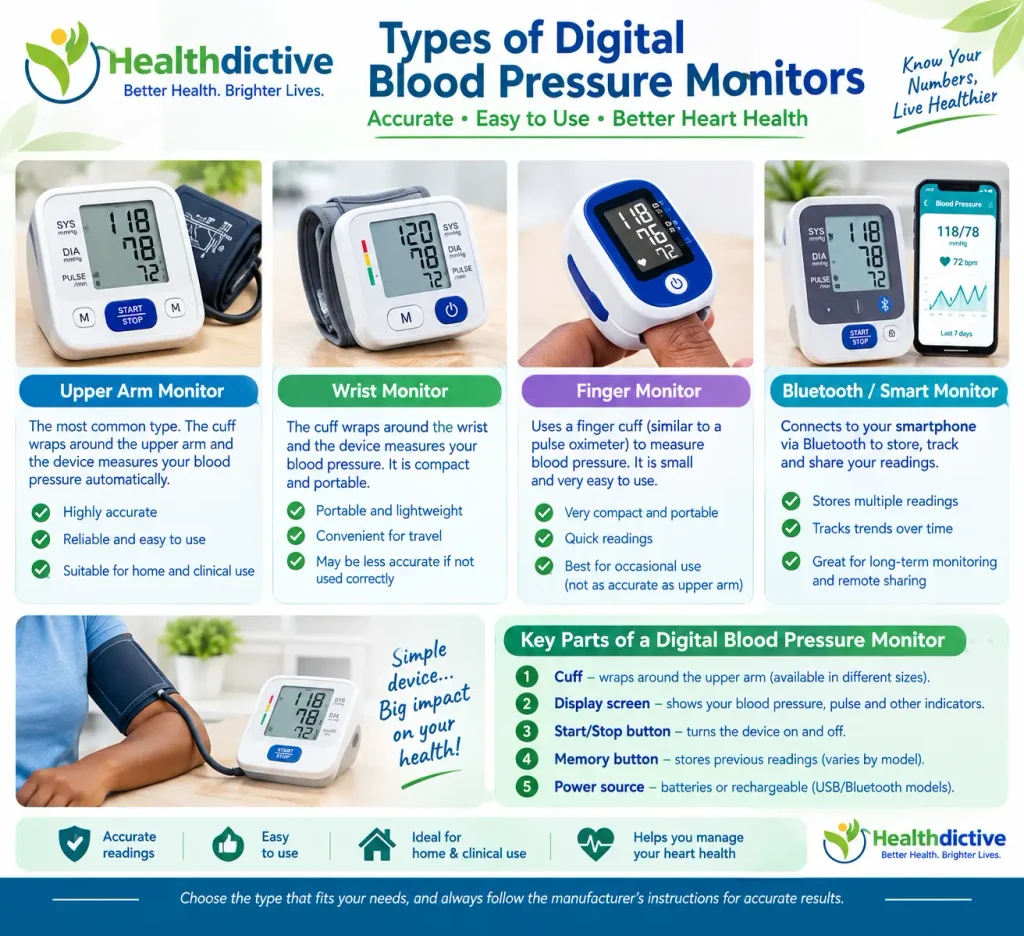
Digital Blood Pressure Monitor: Pros and cons.
Pros
1. Ease of Use
Digital monitors are designed for simplicity. With the press of a button, the cuff inflates automatically, and the reading is displayed clearly. This makes them ideal for users of all ages and skill levels.
2. Perfect for Home Monitoring
These devices are tailored for personal use, allowing individuals to track their blood pressure regularly without medical supervision.
3. Advanced Features
Many digital monitors come with memory storage, averaging of multiple readings, irregular heartbeat detection, and Bluetooth connectivity to health apps.
4. Compact and Portable
Digital monitors are lightweight and often come with travel cases. Wrist monitors are convenient, but they are generally not the first choice for routine home blood pressure monitoring. Positioning is particularly important because the wrist must be correctly positioned at heart level.
If a person cannot use an upper-arm monitor because of arm size, physical limitations, or another reason, they should discuss suitable alternatives with a healthcare professional and choose a device that has been appropriately validated.
That’s much safer. Wrist-based models are especially convenient for users on the move.
5. Inclusive Design
Digital monitors remove the need for manual dexterity or hearing acuity, making them accessible to elderly users and those with physical limitations.
Cons
1. Accuracy depends on validation and correct technique
Automatic monitors can give inaccurate readings when the device has not been validated, the cuff is the wrong size or misaligned, the arm is unsupported, if the person has an irregular heartbeat, the person moves or talks during measurement, or the measurement procedure is not followed correctly.
2. Power Dependency
These devices require batteries or charging. A dead battery can prevent use at critical times unless backups are available.
3. Shorter Lifespan
Electronic components may degrade over time, and some models require recalibration or replacement after a few years.
4. Susceptible to Movement Artifacts
Even slight movements during measurement can affect the accuracy of digital monitors, leading to inconsistent results.
5. Higher Initial Cost
Digital monitors with advanced features tend to be more expensive than basic manual models, although the convenience may justify the price for many users.

Learn how to manage high blood pressure successfully at home by practicing the life-changing information in this ebook.
You will find this book extremely useful if you want to save time, money with plenty of peace of mind.
In this e-book, you will learn what your doctor failed to tell you.
Comparative Summary
| Feature | Manual Monitor | Digital Monitor |
| Accuracy | High (with training) | Moderate to High (validated models) |
| Ease of Use | Requires skill | Very easy for most people |
| Batteries | Usually not required | Usually required |
| Memory | No | Often available |
| Home use | More difficult | Generally preferred |
| Multiple readings | Manual recording | Often automatic |
| Bluetooth | No | Available on some models |
| Portability | Less portable | Highly portable |
| Cost | Lower upfront cost | Higher upfront cost |
| Maintenance | Minimal | Requires batteries or charging |
| Data Tracking | Manual recording | Automatic storage and syncing |
| Home Monitoring | Less suitable | Highly suitable |
| Clinical Use | Preferred | Supplementary |
| Accessibility | Limited by physical ability | Inclusive and accessible |
| Emergency Use | Reliable | Dependent on power |
| Best suited for | Trained professionals | Most people monitoring BP at home |
The bottom line
Manual monitors are not automatically more accurate than digital monitors.
For most people checking blood pressure at home, a validated automatic upper-arm monitor is the practical choice.
What Does “Validated” Mean?
This is one of the most important things to understand before buying a blood pressure monitor.
A validated blood pressure monitor has been evaluated using an accepted scientific protocol to determine whether its measurements agree sufficiently with a reference method.
Validation is different from simply saying that a product is:
- clinically tested
- medically approved
- FDA registered
- CE marked
- recommended by a salesperson
- popular online
- used by a hospital
These statements do not necessarily mean that the specific device has undergone independent blood-pressure measurement validation.
When choosing a monitor, look for the specific model in a reputable validated-device database, such as STRIDE BP.
Do not assume that because one model from a manufacturer is validated, every monitor made by that manufacturer is validated.
Why Upper-Arm Monitors Are Usually Preferred
Automatic upper-arm monitors are generally preferred for home blood pressure monitoring.
They measure pressure through a cuff placed around the upper arm, usually approximately at heart level during measurement.
Upper-arm devices have an established role in home blood pressure monitoring and are generally preferred over wrist and finger devices.
This does not mean every upper-arm monitor is accurate.
The specific device still needs to be validated, and the cuff must fit correctly.
Are Wrist Blood Pressure Monitors Accurate?
Wrist monitors can be convenient, particularly for people who have difficulty placing an upper-arm cuff. However, they are more sensitive to positioning.
The wrist must be held at approximately heart level and kept still during measurement. Small positioning errors can affect the reading.
For routine home monitoring, an upper-arm monitor is generally the preferred option.
If an upper-arm monitor cannot be used because of physical limitations, arm size or another reason, discuss suitable alternatives with a healthcare professional and look for a device that has appropriate validation evidence.
What About Finger Blood Pressure Monitors?
Finger blood pressure devices are generally not recommended for routine home blood pressure monitoring.
Measurements from the fingers can be affected by factors such as temperature, blood flow and positioning.
If you want a dependable home blood pressure reading, an appropriately validated upper-arm device is usually a better choice.
Why Cuff Size Matters
Buying the monitor is only part of the process.
The cuff must fit your arm correctly.
A cuff that is too small or too large can contribute to inaccurate blood pressure measurements.
Before buying a monitor:
- Measure the circumference of your upper arm.
- Check the manufacturer’s stated cuff range.
- Make sure your arm measurement falls within that range.
- Consider whether you need a small, standard, large or extra-large cuff.
- Do not assume that the cuff supplied in the box will fit everyone.
This is particularly important for people with larger arms.
If the standard cuff does not fit, look for a validated device with an appropriately sized cuff rather than forcing the standard cuff to fit.
What Features Should You Look for?
You do not need every feature available. Focus first on validation and cuff fit.
1. Independent validation
This should be one of your highest priorities. Check whether the specific model has been validated through an accepted protocol.
2. Correct cuff size
Make sure the cuff fits your upper-arm circumference.
3. Memory
A monitor that stores multiple readings can make it easier to track your blood pressure over time.
4. Averaging
Some devices can calculate averages from multiple readings. This can be useful because individual blood pressure readings naturally fluctuate.
5. Multiple-user memory
Some monitors allow readings for two or more users to be stored separately. This can be useful for couples or families sharing one device.
6. Bluetooth or smartphone connectivity
Bluetooth is convenient but not essential for accuracy.
It may make it easier to transfer and review readings, but a simple validated monitor without Bluetooth can still be an excellent choice.
7. Irregular-heartbeat detection
Some devices can identify pulse patterns that may suggest an irregular heartbeat. This feature can be useful, but it does not diagnose atrial fibrillation or another heart condition by itself.
An unusual result should be discussed with a healthcare professional.
8. Large display
A large, high-contrast display can be particularly useful for older adults and people with visual difficulties.
9. Power options
Some monitors use batteries, while others can also operate from mains power. Choose whichever is practical for your environment.
Are Expensive Blood Pressure Monitors More Accurate?
Not necessarily.
A higher price can reflect additional features such as:
- Bluetooth
- larger memory
- multiple-user profiles
- rechargeable batteries
- premium design
- smartphone applications
These features may be useful, but they do not automatically make the blood pressure measurement more accurate.
A less expensive validated upper-arm monitor with the correct cuff can be a better choice than an expensive monitor without appropriate validation.
Can a Smartwatch Replace a Blood Pressure Monitor?
Smartwatches and other wearable devices increasingly offer blood-pressure-related features.
However, you should not assume that a smartwatch is equivalent to a validated cuff-based blood pressure monitor.
Cuffless blood pressure technology is developing rapidly, but devices differ in their technology, calibration and validation.
For routine home blood pressure monitoring—particularly when readings will influence discussions about hypertension treatment—a validated cuff-based upper-arm monitor remains the safer standard choice.
Do not change or stop blood pressure medication based solely on readings from an unvalidated wearable device.
Choosing the Right Monitor
The decision between manual and digital blood pressure monitors should be based on individual needs, lifestyle, and medical context. Here are some recommendations:
– Healthcare professionals: Manual monitors are ideal due to their precision and reliability.
– Home users: Digital monitors offer ease and convenience, especially for daily tracking.
– Elderly individuals: Digital monitors with large displays and voice prompts are more accessible.
– Budget-conscious users: Manual monitors provide long-term value with minimal maintenance.
– Tech-savvy users: Digital monitors with app integration offer enhanced tracking and data sharing.
Why cuff size matters
Buying the monitor is only part of the process.
The cuff must fit your arm correctly.
A cuff that is too small or too large can contribute to inaccurate blood pressure measurements.
Before buying a monitor:
- Measure the circumference of your upper arm.
- Check the manufacturer’s stated cuff range.
- Make sure your arm measurement falls within that range.
- Consider whether you need a small, standard, large or extra-large cuff.
- Do not assume that the cuff supplied in the box will fit everyone.
This is particularly important for people with larger arms.
If the standard cuff does not fit, look for a validated device with an appropriately sized cuff rather than forcing the standard cuff to fit.
Before buying:
- Measure your upper-arm circumference.
- Check the manufacturer’s cuff-size range.
- Make sure your arm measurement falls within that range.
- If you have a larger arm, look specifically for a validated device with an appropriate large cuff.
Blood Pressure Monitor for Special Situations
Some people require additional consideration when choosing a monitor.
Pregnancy: People who are pregnant or at risk of pregnancy-related hypertension should use devices that have appropriate validation for pregnancy where available.
Blood pressure problems during pregnancy can require urgent medical assessment. Do not rely on an ordinary consumer device without checking whether it is appropriate for pregnancy. Choose a device validated for use during pregnancy/preeclampsia where possible.
Children: Children require age- and size-appropriate equipment. Do not automatically use an adult blood pressure monitor on a child.
Large arms/obesity: People with larger upper arms should pay particular attention to cuff size. Make sure the cuff actually fits the upper-arm circumference. Don’t simply assume that a “large” cuff is suitable. An incorrectly sized cuff can produce misleading results.
Irregular heartbeat or rhythms: Some automatic monitors may have difficulty measuring blood pressure accurately when the heart rhythm is irregular, while some have arrhythmia/AF detection, but this feature does not mean the device can diagnose atrial fibrillation by itself.
If you have a known irregular rhythm, ask your healthcare professional which monitor is appropriate and how your readings should be interpreted
STRIDE BP maintains population-specific validation information, including pregnancy and other groups
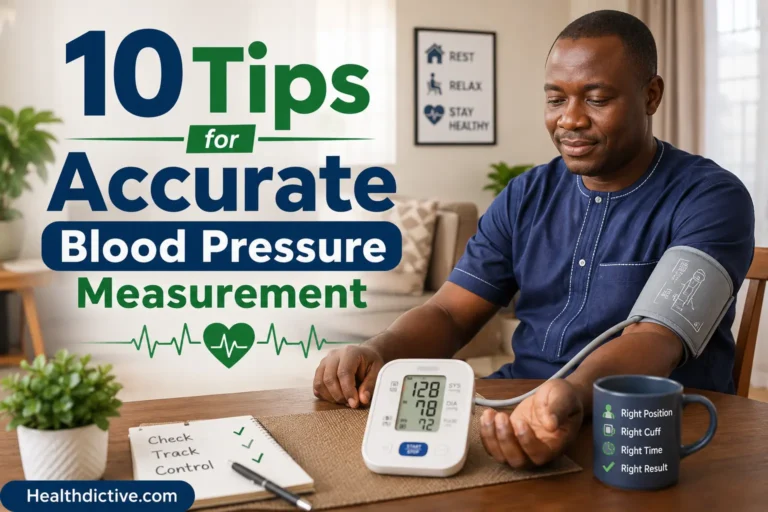
How to Make Your Home Blood Pressure Reading More Accurate
Even a validated monitor can produce a poor reading if you use it incorrectly.
Before measuring:
1. Avoid exercise beforehand.
Avoid exercise for approximately 30 minutes before measurement.
2. Avoid caffeine and smoking beforehand.
Caffeine and nicotine can temporarily affect blood pressure.
3. Empty your bladder.
A full bladder can influence a reading.
4. Rest for at least five minutes.
Sit quietly before taking the measurement.
5. Sit correctly.
Keep:
- your back supported
- your feet flat on the floor
- your legs uncrossed
6. Place the cuff on bare skin.
Do not place the cuff over clothing.
7. Support your arm.
Rest your arm on a table or other surface so that the cuff is approximately at heart level.
8. Do not talk.
Talking, texting, or moving during the measurement can affect the reading.
9. Take a second reading.
Take another reading approximately one minute later. Record both readings, or use the monitor’s averaging function when appropriate.
10. Keep a record.
Recording your readings over time can provide much more useful information than focusing on one isolated measurement.
Should You Check Your Blood Pressure Monitor Against a Clinic Device?
Yes.
If possible, take your home monitor to a healthcare appointment.
Your healthcare professional can help determine whether your device is giving readings that are reasonably consistent with the equipment used in the healthcare setting and can check whether you are using it correctly.
This is particularly useful when:
- You have recently purchased a monitor
- Your readings suddenly change
- Your home readings seem very different from clinic readings
- You are unsure whether your technique is correct
Do not assume that a monitor remains perfectly accurate forever.
Follow the manufacturer’s instructions regarding maintenance and replacement.
How to Choose a Blood Pressure Monitor: Buying Checklist
Before purchasing, ask these questions:
Is it an upper-arm monitor?
Prefer an automatic upper-arm device for routine home monitoring.
Is the specific model validated?
Check the exact model rather than relying on the manufacturer’s reputation.
Does the cuff fit my arm?
Measure your arm before buying.
Can it store multiple readings?
This is useful for tracking your blood pressure.
Is the display easy to read?
Consider this particularly if buying for an older person.
Does it have useful—not merely impressive—features?
Bluetooth and smartphone connectivity are optional.
Is there a reliable warranty?
Choose a reputable manufacturer and retailer.
Can I obtain replacement cuffs?
A replacement cuff may be needed in the future.
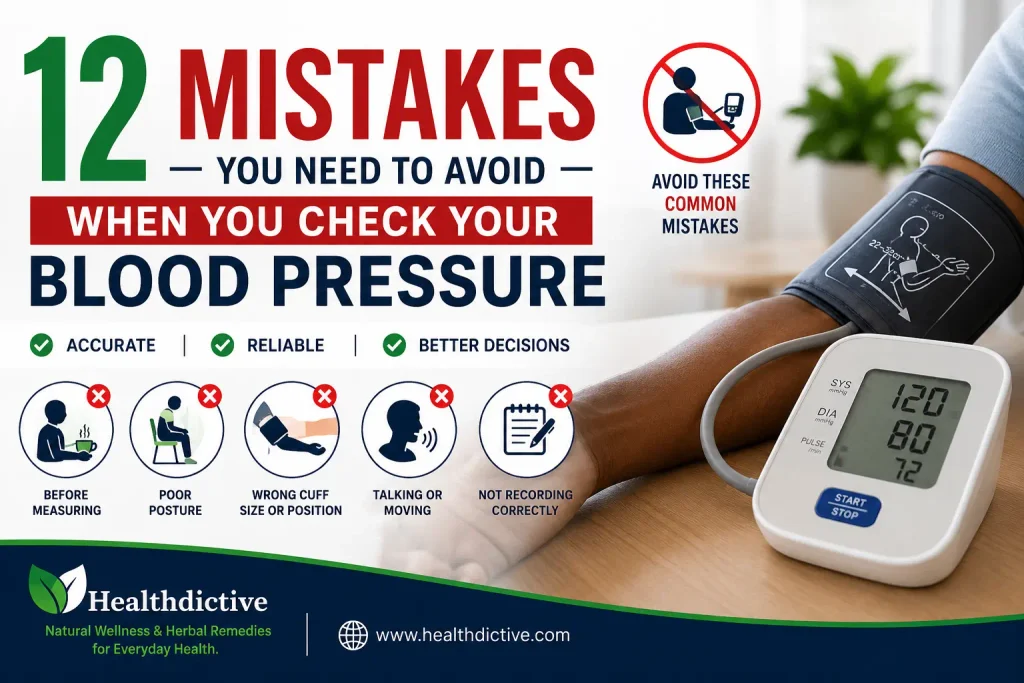
Common Mistakes When Buying a Blood Pressure Monitor
Avoid these mistakes.
Mistake 1: Choosing based only on price
Expensive does not automatically mean accurate.
Mistake 2: Choosing based only on brand
A reputable manufacturer can produce different models with different validation status.
Mistake 3: Buying a wrist monitor because it is smaller
Convenience does not necessarily mean better measurement.
Mistake 4: Ignoring cuff size
This can undermine an otherwise good monitor.
Mistake 5: Assuming digital means inaccurate
A validated automatic monitor can be an excellent choice for home monitoring.
Mistake 6: Buying based on Bluetooth alone
Connectivity is convenient but does not determine measurement accuracy.
Mistake 7: Using a smartwatch as a substitute without checking validation
Wearable technology is evolving, but not every device is suitable for clinical blood pressure decisions.
Frequently Asked Questions
Are digital blood pressure monitors accurate?
Yes, a validated automatic upper-arm monitor can provide accurate and useful home measurements when the correct cuff is used and the measurement procedure is followed correctly.
The word “digital” does not automatically mean inaccurate.
Is a manual blood pressure monitor more accurate than a digital one?
Not necessarily.
Manual devices can provide accurate measurements when used by trained professionals with appropriate technique. For most people monitoring blood pressure at home, a validated automatic upper-arm device is easier to use and is generally preferred.
What is the most accurate type of blood pressure monitor?
For routine home monitoring, look for a validated automatic upper-arm blood pressure monitor with an appropriately sized cuff.
Accuracy depends on the specific validated device and proper measurement technique.
Is an upper-arm or wrist monitor better?
An upper-arm monitor is generally preferred for routine home blood pressure monitoring.
Wrist devices can be more sensitive to positioning and are not usually the first choice.
How do I know whether my blood pressure monitor is validated?
Check the specific model against a reputable validation database such as STRIDE BP.
Do not rely solely on advertising claims.
Does cuff size affect blood pressure readings?
Yes.
An incorrectly sized cuff can contribute to inaccurate measurements. Always check the manufacturer’s recommended cuff range against your actual upper-arm circumference.
Can I use the same blood pressure monitor as another family member?
Yes, if the device is suitable for both users and the cuff fits each person’s arm appropriately.
If possible, use separate memory profiles when the device supports them.
How often should I check my blood pressure?
The appropriate frequency depends on your health situation and why you are monitoring your blood pressure.
If your healthcare professional has given you a monitoring schedule, follow it.
If you have hypertension, ask your healthcare professional how frequently you should monitor and how the readings should be recorded.
Can I use my smartwatch to check my blood pressure?
Do not automatically treat a smartwatch reading as equivalent to a validated cuff-based blood pressure measurement.
For routine home monitoring, a validated upper-arm cuff monitor remains the preferred standard.
Should I take my BP monitor to my doctor?
Yes, when practical.
Taking your monitor to an appointment allows a healthcare professional to assess your measurement technique and compare the device with clinical equipment.
When Should You Seek Medical Help?
A blood pressure monitor is a tool for measurement. It is not a substitute for medical assessment.
If your blood pressure is repeatedly higher than recommended, discuss the readings with a healthcare professional.
If you obtain a very high reading, sit quietly and repeat the measurement.
If the blood pressure remains extremely high—particularly around 180/120 mmHg or higher—seek prompt medical advice.
If a very high blood pressure reading occurs together with symptoms such as
- chest pain
- severe shortness of breath
- weakness or numbness
- difficulty speaking
- confusion
- severe headache
- vision changes
Seek emergency medical care immediately.
Do not wait for repeated home measurements if you have potentially serious symptoms.
Final Thoughts
Both manual and digital blood pressure monitors serve important roles in healthcare. Manual monitors offer unmatched precision in professional settings, while digital monitors provide convenience and accessibility for everyday users.
The best choice depends on
- your needs, skill level,
- fits your lifestyle,
- provides reliable readings, and
- encourages consistent monitoring
- environment
not necessarily the most expensive one, the one with the most features, or the one recommended by an advertisement.
If you’re a healthcare provider or someone trained in auscultation, a manual monitor may be your best bet for clinical-grade accuracy. On the other hand, if you’re managing hypertension at home or simply want to stay proactive about your health, a digital monitor offers the simplicity and features that make regular monitoring easy and effective.
Whether you’re managing a chronic condition or simply staying proactive, regular blood pressure checks are a vital step toward better health.
Before buying, check the specific model’s validation status, measure your upper-arm circumference, choose the appropriate cuff, and learn how to measure your blood pressure correctly.
Most importantly, use your monitor as part of a broader blood pressure-management plan—not as a replacement for professional medical advice.
These tips are consistent with clinical guidelines and best practices for accurate home blood pressure monitoring.
Disclaimer
The content in our articles is not meant to substitute a personal consultation with a qualified healthcare professional and should not be considered medical advice.
Scientific References
Muntner, P., Shimbo, D., Carey, R. M., Charleston, J. B., Gaillard, T., Misra, S., … & Wright, J. T. (2019). Measurement of blood pressure in humans: A scientific statement from the American Heart Association. Hypertension, 73(5), e35–e66.
Pickering, T. G., Hall, J. E., Appel, L. J., Falkner, B. E., Graves, J., Hill, M. N., … & Roccella, E. J. (2005). Recommendations for blood pressure measurement in humans and experimental animals. Hypertension, 45(1), 142–161.
O’Brien, E., Asmar, R., Beilin, L., Imai, Y., Mallion, J. M., Mancia, G., … & European Society of Hypertension Working Group on Blood Pressure Monitoring. (2003). Practice guidelines of the European Society of Hypertension for clinic, ambulatory and self blood pressure measurement. Journal of Hypertension, 21(5), 821–848.
Stergiou, G. S., Alpert, B., Mieke, S., Asmar, R., Atkins, N., Eckert, S., … & O’Brien, E. (2018). A universal standard for the validation of blood pressure measuring devices. Journal of Hypertension, 36(3), 472–478.
Muntner, P., Shimbo, D., Carey, R. M., Charleston, J. B., Gaillard, T., Misra, S., … & Wright, J. T. (2019). Measurement of blood pressure in humans: A scientific statement from the American Heart Association. Hypertension, 73(5), e35–e66.
O’Brien, E., Asmar, R., Beilin, L., Imai, Y., Mallion, J. M., Mancia, G., … & European Society of Hypertension Working Group on Blood Pressure Monitoring. (2003). Practice guidelines of the European Society of Hypertension for clinic, ambulatory and self blood pressure measurement. Journal of Hypertension, 21(5), 821–848.
Parati, G., Stergiou, G., Asmar, R., Bilo, G., de Leeuw, P., Imai, Y., … & O’Brien, E. (2008). European Society of Hypertension guidelines for blood pressure monitoring at home: A summary report of the Second International Consensus Conference on Home Blood Pressure Monitoring. Journal of Hypertension, 26(8), 1505–1526.
Pickering, T. G., Hall, J. E., Appel, L. J., Falkner, B. E., Graves, J., Hill, M. N., … & Roccella, E. J. (2005). Recommendations for blood pressure measurement in humans and experimental animals. Hypertension, 45(1), 142–161. Stergiou, G. S., Alpert, B., Mieke, S., Asmar, R., Atkins, N., Eckert, S., … & O’Brien, E. (2018). A universal standard for the validation of blood pressure measuring devices. Journal of Hypertension, 36(3), 472–478.