
High blood pressure, also called hypertension, is one of the leading causes of heart disease, stroke, kidney failure, and premature death worldwide. In Nigeria, it is a growing public health problem. Many people live with hypertension for years without knowing because it often causes no obvious symptoms until serious complications develop.
As awareness of hypertension increases, many Nigerians are looking for safe, affordable, and natural ways to help manage their blood pressure. Traditional herbal medicine has been used across Nigeria for generations, and many plants are believed to support heart health.
Some of these herbs are now being studied by scientists, with research suggesting that certain medicinal plants may help lower blood pressure, improve blood vessel function, reduce inflammation, or act as antioxidants.
However, not all herbal remedies have strong scientific evidence, and some may interact with blood pressure medicines or cause harmful side effects.
This guide provides a balanced, evidence-based review of herbal remedies for high blood pressure in Nigeria. It explains what hypertension is, why it is becoming more common, which Nigerian herbs have the best scientific support, how they may work, their potential benefits and risks, and how to use them safely.
The article also highlights the importance of healthy lifestyle changes, regular blood pressure monitoring, and working with qualified healthcare professionals.
Whether you have recently been diagnosed with hypertension, care for a loved one with high blood pressure, or simply want to learn more about Nigerian medicinal plants, this guide aims to help you make informed decisions based on the best available evidence.
Key takeaway: Herbs may help support healthy blood pressure, but they should not replace prescribed medicines without the advice of a qualified healthcare professional.
What Is High Blood Pressure?
High blood pressure (hypertension) is a condition in which the force of blood pushing against the walls of your arteries remains consistently too high. Over time, this extra pressure damages blood vessels and increases the risk of serious health problems, including:
- Heart attack
- Stroke
- Heart failure
- Chronic kidney disease
- Vision loss
- Peripheral artery disease
- Dementia
Blood pressure is measured using two numbers:
- Systolic blood pressure (the top number): the pressure when the heart contracts.
- Diastolic blood pressure (the bottom number): the pressure when the heart relaxes between beats.
For example, a blood pressure reading of 120/80 mmHg means:
- 120 = systolic pressure
- 80 = diastolic pressure
Blood Pressure Categories (Adults)
| Category | Diastolic (mmHg) | |
| Normal | Normal Less than 120 Less than 80 | Less than 80 |
| Elevated | 120–129 | Less than 80 |
| Stage 1 hypertension | 130–139 | 80–89 |
| Stage 2 hypertension | 140 or higher | 90 or higher |
| Hypertensive crisis | 180 or higher | 120 or higher |
Medical emergency: A blood pressure reading of 180/120 mmHg or higher, especially with symptoms such as chest pain, severe headache, difficulty breathing, confusion, or weakness on one side of the body, requires immediate medical attention.
Why High Blood Pressure Is Called the “Silent Killer”
Unlike many illnesses, hypertension often develops slowly and causes no symptoms in its early stages. A person may feel perfectly healthy while high blood pressure quietly damages the heart, kidneys, brain, and blood vessels over many years.
Some people may eventually experience:
- Persistent headaches
- Dizziness
- Blurred vision
- Nosebleeds
- Shortness of breath
- Chest pain
However, these symptoms usually appear only when blood pressure is very high or complications have already developed. This is why regular blood pressure checks are essential, especially for adults over 30 years of age or those with risk factors.
Related Articles

Why Hypertension Is Increasing in Nigeria
Hypertension has become one of the most common non-communicable diseases in Nigeria. Studies estimate that about one in every three Nigerian adults has high blood pressure, although many remain undiagnosed or untreated. Several factors contribute to this rising burden:
1. Increased Salt Intake
Many Nigerians consume more salt than recommended. Salt is commonly added during cooking and is also found in:
- Stock cubes
- Processed meats
- Instant noodles
- Snacks
- Fast foods
Excess sodium causes the body to retain water, increasing blood pressure.
2. Urbanization
Rapid urbanization has led to:
- More sedentary lifestyles
- Increased consumption of processed foods
- Higher stress levels
- Reduced physical activity
These lifestyle changes increase the risk of hypertension.
3. Obesity and Overweight
Being overweight makes the heart work harder to pump blood. Excess body fat is strongly linked to high blood pressure and other cardiovascular diseases.
4. Physical Inactivity
Many people spend long hours sitting at work or travelling, reducing daily physical activity. Regular exercise helps keep blood vessels healthy and lowers blood pressure.
5. Excess Alcohol Consumption
Heavy alcohol intake can raise blood pressure and reduce the effectiveness of blood pressure medications.
6. Tobacco Use
Smoking damages blood vessels, increases arterial stiffness, and raises the risk of heart disease and stroke.
7. Chronic Stress
Financial pressures, work-related stress, unemployment, traffic congestion, and other daily challenges may contribute to sustained high blood pressure, especially when combined with poor sleep and unhealthy coping habits.
8. Diabetes and Kidney Disease
People with diabetes or chronic kidney disease are more likely to develop hypertension, and uncontrolled blood pressure can further worsen these conditions.
9. Family History
Genetics also plays a role. If one or both parents have hypertension, the risk of developing it is higher, especially when combined with unhealthy lifestyle habits.
Common Risk Factors for High Blood Pressure
You are more likely to develop hypertension if you:
- Are 40 years or older
- Have a family history of hypertension
- Are overweight or obese
- Eat a high-salt diet
- Consume few fruits and vegetables
- Exercise infrequently
- Smoke tobacco
- Drink excessive alcohol
- Have diabetes or kidney disease
- Experience chronic stress
- Have obstructive sleep apnea
Some risk factors, such as age and genetics, cannot be changed. However, many others can be improved through healthy lifestyle choices and, when needed, appropriate medical treatment.
Can Herbal Remedies Really Help Lower High Blood Pressure?
The short answer is yes—but with important limitations.
Research suggests that some herbs may help lower blood pressure by relaxing blood vessels, reducing inflammation, improving blood vessel function, increasing urine production, or reducing oxidative stress. However, herbs are not a cure for hypertension, and the quality of scientific evidence varies widely.
Some herbs have been tested in human clinical trials, while others have only been studied in laboratory or animal experiments. Results from animal studies do not always translate to humans, so claims should be interpreted with caution.
For most people with hypertension, herbal remedies should be viewed as complementary to—not a replacement for—healthy lifestyle changes and prescribed medications when these are needed.
What Does the Scientific Evidence Show?
Current research indicates that several medicinal plants contain natural compounds that may help support healthy blood pressure. These compounds include:
- Flavonoids
- Polyphenols
- Alkaloids
- Saponins
- Terpenoids
- Dietary nitrates
- Potassium
- Magnesium
These substances may help:
- Relax blood vessels
- Improve blood flow
- Reduce inflammation
- Lower oxidative stress
- Reduce excess fluid in the body
- Improve the function of the cells lining blood vessels (the endothelium)
Although these effects are promising, many studies have been small, short-term, or conducted in animals. Larger, well-designed clinical trials are still needed for many Nigerian medicinal plants.
Herbs Are Not a Substitute for Medical Care
One of the biggest mistakes people make is stopping their blood pressure medicine once they begin taking herbs.
This can be dangerous.High blood pressure often has no symptoms, so blood pressure may remain high even when a person feels well.
Stopping prescribed medicines suddenly can lead to:
- Stroke
- Heart attack
- Heart failure
- Kidney damage
Hypertensive emergencyIf you are interested in using herbal remedies, discuss this with your doctor or pharmacist.
They can help monitor your blood pressure and adjust treatment safely if appropriate.
Important Safety Considerations Before Using Herbal Remedies
Natural does not always mean safe.Many medicinal plants contain powerful chemicals that can affect the body in the same way as prescription medicines.
Some herbs may also interact with blood pressure drugs or worsen certain medical conditions.
Talk to Your Healthcare Provider If You:
- Take medicines for high blood pressure
- Have diabetes
- Have kidney disease
- Have liver disease
- Have heart disease
- Are pregnant
- Are breastfeeding
- Are scheduled for surgery
- Take blood thinners such as warfarin
- Take multiple prescription Medicine
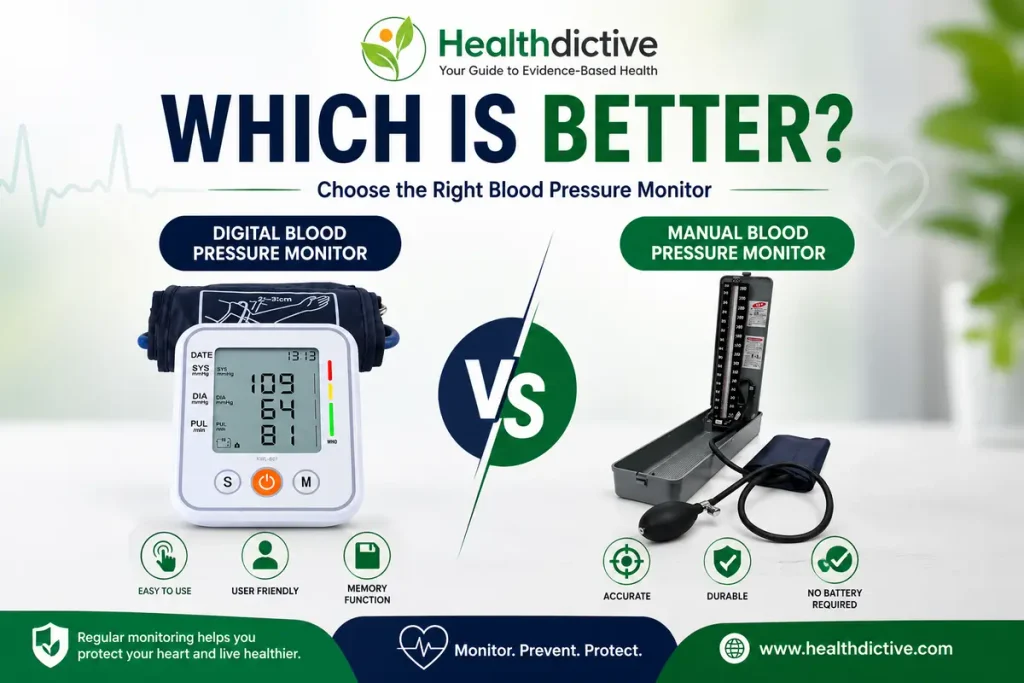
Monitor Your Blood Pressure Regularly if you choose to use herbal remedies, check your blood pressure regularly.
Keeping a home blood pressure monitor can help you and your healthcare provider determine whether your treatment plan is working.
Record:
- Date
- Time
- Blood pressure reading
- Heart rate
- Medicines taken
- Herbs used
- Any symptoms
Bring this record to your clinic appointments.
Buy Herbs from Trusted Sources
Poor-quality herbal products are a growing concern.
Some products sold in markets or online may contain:
- Incorrect plant species
- Heavy metals
- Pesticides
- Microorganisms
- Prescription drugs added illegally
- Wrong doses
Whenever possible:
- Buy products from reputable manufacturers.
- Check for appropriate regulatory approval (such as registration where applicable).
- Avoid products that promise to “cure hypertension permanently.”
- Be cautious of testimonials that are not backed by scientific evidence.
6 Ways Herbal Remedies Help Lower Blood Pressure
Different herbs work in different ways. Some act on more than one pathway.
1. Relaxing Blood Vessels
Some herbs stimulate the production of nitric oxide, a substance that relaxes blood vessels.When blood vessels widen, blood flows more easily and blood pressure falls.
Examples include:
- Garlic (Allium sativum)
- Beetroot (Beta vulgaris)
- Hibiscus (Hibiscus sabdariffa)
2. Blocking the Renin–Angiotensin System
The body naturally produces hormones that tighten blood vessels and increase blood pressure.Certain plant compounds appear to reduce the activity of angiotensin-converting enzyme (ACE), producing effects similar to ACE inhibitor medicines, although usually much weaker.
Examples include:
- Garlic
- Negro pepper (Uda, Xylopia aethiopica) in preliminary laboratory studies
- Some flavonoid-rich medicinal plants
3. Acting as Mild Diuretics
Some herbs increase urine production, helping the body remove excess sodium and water.This reduces the amount of fluid circulating in the blood vessels.Examples include:
- Roselle (Hibiscus sabdariffa)
- Dandelion (Taraxacum officinale)
- Parsley (Petroselinum crispum)
4. Reducing Oxidative Stress
Oxidative stress damages blood vessels and contributes to hypertension.Antioxidant-rich herbs help protect blood vessels from this damage.
Examples include:
- Moringa (Moringa oleifera)
- Bitter leaf (Vernonia amygdalina)
- Green tea (Camellia sinensis)
- Turmeric (Curcuma longa)
5. Reducing Inflammation
Chronic inflammation is increasingly recognised as a contributor to hypertension.Some herbs contain anti-inflammatory compounds that may improve blood vessel health over time.
6. Improving Cholesterol and Blood Sugar
Hypertension often occurs alongside diabetes and high cholesterol.
Several herbs may improve these conditions, indirectly supporting cardiovascular health.
Examples include:
- Garlic
- Fenugreek
- Moringa
- Cinnamon (modest evidence) Strength of Scientific Evidence
Not all herbs have the same level of evidence. Based on current research, they can be broadly grouped as follows:
Stronger Human Evidence
- Garlic (Allium sativum)
- Hibiscus (Hibiscus sabdariffa)
- Beetroot (Beta vulgaris)
Moderate Evidence
- Moringa (Moringa oleifera)
- Green tea (Camellia sinensis)
- Flaxseed (Linum usitatissimum)
Emerging or Preliminary Evidence
- Bitter leaf (Vernonia amygdalina)
- Negro pepper/Uda (Xylopia aethiopica)
- African mistletoe (Tapinanthus species)
- Scent leaf (Ocimum gratissimum)
- African basil and several other Nigerian medicinal plants.
For herbs in the emerging category, most studies have been conducted in animals or laboratories.
While the findings are encouraging, more high-quality human studies are needed before firm recommendations can be made.
Top Herbal Remedies for High Blood Pressure in Nigeria
The herbs below are arranged broadly according to the strength of available scientific evidence. While several Nigerian medicinal plants show promise, only a few have been studied extensively in human clinical trials.
One of the biggest mistakes people make is stopping their blood pressure medicine once they begin taking herbs.
This can be dangerous.
High blood pressure often has no symptoms, so blood pressure may remain high even when a person feels well. Stopping prescribed medicines suddenly can lead to:
- Stroke
- Heart attack
- Heart failure
- Kidney damage
- Hypertensive emergency
If you are interested in using herbal remedies, discuss this with your doctor or pharmacist. They can help monitor your blood pressure and adjust treatment safely if appropriate.
Important Safety Considerations Before Using Herbal Remedies
Natural does not always mean safe.
Many medicinal plants contain powerful chemicals that can affect the body in the same way as prescription medicines. Some herbs may also interact with blood pressure drugs or worsen certain medical conditions.
Talk to Your Healthcare Provider If You:
- Take medicines for high blood pressure
- Have diabetes
- Have kidney disease
- Have liver disease
- Have heart disease
- Are pregnant
- Are breastfeeding
- Are scheduled for surgery
- Take blood thinners such as warfarin
- Take multiple prescription medicines
Monitor Your Blood Pressure Regularly
If you choose to use herbal remedies, check your blood pressure regularly.
Keeping a home blood pressure monitor can help you and your healthcare provider determine whether your treatment plan is working.
Record:
- Date
- Time
- Blood pressure reading
- Heart rate
- Medicines taken
- Herbs used
- Any symptoms
Bring this record to your clinic appointments.
Buy Herbs from Trusted Sources
Poor-quality herbal products are a growing concern.
Some products sold in markets or online may contain:
- Incorrect plant species
- Heavy metals
- Pesticides
- Microorganisms
- Prescription drugs added illegally
- Wrong doses
Whenever possible:
- Buy products from reputable manufacturers.
- Check for appropriate regulatory approval (such as registration where applicable).
- Avoid products that promise to “cure hypertension permanently.”
- Be cautious of testimonials that are not backed by scientific evidence.
How Do Herbal Remedies Help Lower Blood Pressure?
Different herbs work in different ways. Some act on more than one pathway.
1. Relaxing Blood Vessels
Some herbs stimulate the production of nitric oxide, a substance that relaxes blood vessels.
When blood vessels widen, blood flows more easily and blood pressure falls.
Examples include:
- Garlic (Allium sativum)
- Beetroot (Beta vulgaris)
- Hibiscus (Hibiscus sabdariffa)
2. Blocking the Renin–Angiotensin System
The body naturally produces hormones that tighten blood vessels and increase blood pressure.
Certain plant compounds appear to reduce the activity of angiotensin-converting enzyme (ACE), producing effects similar to ACE inhibitor medicines, although usually much weaker.
Examples include:
- Garlic
- Negro pepper (Uda, Xylopia aethiopica) in preliminary laboratory studies
- Some flavonoid-rich medicinal plants
3. Acting as Mild Diuretics
Some herbs increase urine production, helping the body remove excess sodium and water.
This reduces the amount of fluid circulating in the blood vessels.
Examples include:
- Roselle (Hibiscus sabdariffa)
- Dandelion (Taraxacum officinale)
- Parsley (Petroselinum crispum)
4. Reducing Oxidative Stress
Oxidative stress damages blood vessels and contributes to hypertension.
Antioxidant-rich herbs help protect blood vessels from this damage.
Examples include:
- Moringa (Moringa oleifera)
- Bitter leaf (Vernonia amygdalina)
- Green tea (Camellia sinensis)
- Turmeric (Curcuma longa)
5. Reducing Inflammation
Chronic inflammation is increasingly recognised as a contributor to hypertension. Some herbs contain anti-inflammatory compounds that may improve blood vessel health over time.
6. Improving Cholesterol and Blood Sugar
Hypertension often occurs alongside diabetes and high cholesterol. Several herbs may improve these conditions, indirectly supporting cardiovascular health.
Examples include:
- Garlic
- Fenugreek
- Moringa
- Cinnamon (modest evidence)
Strength of Scientific Evidence
Not all herbs have the same level of evidence. Based on current research, they can be broadly grouped as follows:
Stronger Human Evidence
- Garlic (Allium sativum)
- Hibiscus (Hibiscus sabdariffa)
- Beetroot (Beta vulgaris)
Moderate Evidence
- Moringa (Moringa oleifera)
- Green tea (Camellia sinensis)
- Flaxseed (Linum usitatissimum)
Emerging or Preliminary Evidence
- Bitter leaf (Vernonia amygdalina)
- Negro pepper/Uda (Xylopia aethiopica)
- African mistletoe (Tapinanthus species)
- Scent leaf (Ocimum gratissimum)
- African basil and several other Nigerian medicinal plants
For herbs in the emerging category, most studies have been conducted in animals or laboratories. While the findings are encouraging, more high-quality human studies are needed before firm recommendations can be made.
Top Herbal Remedies for High Blood Pressure in Nigeria
The herbs below are arranged broadly according to the strength of available scientific evidence. While several Nigerian medicinal plants show promise, only a few have been studied extensively in human clinical trials.
For each herb, you’ll find:
- Local names
- Traditional uses
- Scientific evidence
- How it may work
- Safety information
- Possible side effects
- Drug interactions
- Overall evidence rating
1. Garlic (Allium sativum)
Evidence Level: ★★★★★ (Strong human evidence)
Local Names
- English: Garlic
- Yoruba: Ayu
- Igbo: Ayu
- Hausa: Tafarnuwa
Garlic is one of the most widely used medicinal plants in the world. In Nigeria, it is commonly used both as a spice and as a traditional remedy for hypertension, infections, and high cholesterol.
Traditional Uses
Garlic has traditionally been used to:
- Lower blood pressure
- Improve blood circulation
- Reduce cholesterol
- Prevent infections
- Support heart health
Modern research supports several of these traditional uses.
Active Compounds
Garlic contains several sulfur-containing compounds, including:
- Allicin
- S-allyl cysteine
- Diallyl sulfides
- Ajoene
These compounds are responsible for many of garlic’s health benefits.
How Garlic May Lower Blood Pressure
Research suggests garlic may:
- Increase nitric oxide production, helping blood vessels relax.
- Improve endothelial (blood vessel) function.
- Reduce oxidative stress.
- Mildly inhibit angiotensin-converting enzyme (ACE).
- Reduce arterial stiffness.
These combined effects may contribute to lower blood pressure.
What Does the Research Say?
Garlic is among the best-studied herbal remedies for hypertension.
Several systematic reviews and meta-analyses of randomized controlled trials have found that garlic supplements can produce modest but clinically meaningful reductions in blood pressure, particularly in people with uncontrolled hypertension.
Some studies report average reductions of approximately:
- Systolic blood pressure: 5–10 mmHg
- Diastolic blood pressure: 3–6 mmHg
The greatest benefits appear in individuals with elevated blood pressure rather than those with normal readings.
How to Use Garlic
Garlic may be consumed as:
- Fresh garlic cloves
- Cooked garlic
- Garlic powder
- Aged garlic extract
- Standardized garlic supplements
Most clinical studies have used standardized garlic preparations rather than raw garlic, making it difficult to recommend an exact amount of fresh garlic.
Possible Side Effects
Garlic is generally safe when eaten as food.
Possible side effects include:
- Bad breath
- Body odour
- Heartburn
- Stomach upset
- Nausea
- Gas
- Diarrhoea
These effects are usually mild.
Drug Interactions
Garlic may interact with:
- Blood-thinning medicines (such as warfarin)
- Aspirin
- Clopidogrel
- Some HIV medicines
- Certain blood pressure medicines (may increase blood pressure-lowering effects)
Who Should Avoid High-Dose Garlic Supplements?
Consult your healthcare provider before using garlic supplements if you:
- Have a bleeding disorder
- Are taking blood thinners
- Are preparing for surgery
- Have severe stomach ulcers
Overall Verdict
Garlic has some of the strongest scientific evidence among herbal remedies for high blood pressure. While it is not a substitute for prescribed medication, it may be a useful addition to a heart-healthy lifestyle under the guidance of a healthcare professional.
2. Hibiscus (Hibiscus sabdariffa)
Evidence Level: ★★★★★ (Strong human evidence)
Local Names
- English: Roselle
- Hausa: Yakwua
- Yoruba: Zobo
- Igbo: Commonly known as Zobo
In Nigeria, the dried calyces of Hibiscus sabdariffa are widely used to prepare zobo drink, making it one of the country’s most popular herbal beverages.
Traditional Uses
Traditionally, hibiscus has been used to:
- Reduce high blood pressure
- Relieve fever
- Support digestion
- Promote kidney health
- Improve general wellbeing
Active Compounds
Hibiscus is rich in:
- Anthocyanins
- Flavonoids
- Polyphenols
- Organic acids
These compounds have antioxidant and anti-inflammatory properties.
How Hibiscus May Lower Blood Pressure
Studies suggest hibiscus may:
- Relax blood vessels.
- Increase nitric oxide availability.
- Act as a mild diuretic.
- Reduce ACE activity.
- Improve endothelial function.
What Does the Research Say?
Multiple randomized controlled trials and systematic reviews suggest that hibiscus tea or standardized extracts can produce small to moderate reductions in blood pressure, particularly in people with mild to moderate hypertension.
Some studies have found blood pressure reductions comparable to those seen with certain first-line blood pressure medicines in mild hypertension, although more research is needed before hibiscus can be recommended as a replacement for medication.
How to Prepare Zobo More Healthily
Traditional zobo drinks are often prepared with large amounts of sugar, which can reduce their health benefits.
For a healthier option:
- Use dried hibiscus calyces.
- Boil in clean water.
- Avoid adding sugar.
- If sweetness is desired, use only a small amount or choose healthier alternatives after consulting a healthcare professional.
- Refrigerate and consume within a few days.
Possible Side Effects
Hibiscus is generally well tolerated.
Some people may experience:
- Mild stomach upset
- Dizziness (if blood pressure falls too low)
- Increased urination
Drug Interactions
Use caution if taking:
- Blood pressure medicines
- Diuretics
- Diabetes medicines
Combining hibiscus with these medications may increase their effects, potentially leading to low blood pressure or low blood sugar.
Pregnancy and Breastfeeding
Because evidence is limited, pregnant and breastfeeding women should consult a healthcare professional before consuming hibiscus medicinally or in large amounts.
Overall Verdict
Hibiscus is one of the best-supported herbal remedies for hypertension. Unsweetened zobo can be part of a healthy diet, but it should complement—not replace—prescribed treatment.
3. Moringa (Moringa oleifera)
Evidence Level: ★★★☆☆ (Moderate evidence)
Local Names
- English: Drumstick tree
- Yoruba: Ewé Ìgbálẹ̀
- Hausa: Zogale
- Igbo: Okwe Oyibo (varies by community)
Moringa is widely cultivated across Nigeria and is valued both as a nutritious vegetable and a medicinal plant. Its leaves are rich in vitamins, minerals, and antioxidant compounds.
Traditional Uses
Moringa has traditionally been used to:
- Support heart health
- Help control blood sugar
- Improve nutrition
- Reduce inflammation
- Boost overall wellbeing
Active Compounds
Moringa leaves contain:
- Quercetin
- Chlorogenic acid
- Isothiocyanates
- Vitamin C
- Potassium
- Calcium
- Polyphenols
How Moringa May Help Lower Blood Pressure
Research suggests moringa may:
- Improve blood vessel function.
- Reduce oxidative stress.
- Help relax blood vessels.
- Reduce inflammation.
- Support healthy cholesterol and blood sugar levels, which indirectly benefit cardiovascular health.
What Does the Research Say?
Animal studies consistently show blood pressure-lowering effects. Human studies are fewer and generally small, but early findings suggest moringa may support cardiovascular health as part of an overall healthy diet.
More large, high-quality clinical trials are needed to determine the most effective dose and long-term benefits for people with hypertension.
How to Use Moringa
Common forms include:
- Fresh leaves
- Cooked leaves
- Dried leaf powder
- Capsules
- Tea
Adding fresh moringa leaves to soups and meals is a practical way to increase nutrient intake.
Possible Side Effects
Moringa leaves are generally safe when eaten as food.
Large amounts or concentrated supplements may cause:
- Stomach upset
- Nausea
- Diarrhoea
Drug Interactions
Moringa may enhance the effects of:
- Blood pressure medicines
- Diabetes medicines
People taking these medications should monitor their blood pressure and blood sugar regularly and consult their healthcare provider before using moringa supplements.
Overall Verdict
Moringa is a nutritious plant with promising cardiovascular benefits. While current evidence for lowering blood pressure is encouraging, stronger human studies are still needed before it can be recommended as a primary treatment for hypertension.
Next: We’ll continue with Bitter Leaf (Vernonia amygdalina), African Mistletoe (Tapinanthus species), Negro Pepper/Uda (Xylopia aethiopica), Scent Leaf (Ocimum gratissimum), and other Nigerian herbs with emerging evidence for supporting healthy blood pressure.
4. Bitter Leaf (Vernonia amygdalina)
Evidence Level: ★★★☆☆ (Moderate but mainly preclinical evidence)
Local Names
- English: Bitter leaf
- Yoruba: Ewúro
- Igbo: Onúgbú
- Hausa: Shuwaka
Bitter leaf is one of the most commonly consumed leafy vegetables in Nigeria. It is widely used in traditional medicine for treating fever, malaria, diabetes, digestive problems, and high blood pressure.
Traditional Uses
Traditionally, bitter leaf has been used to:
- Support healthy blood pressure
- Help manage diabetes
- Improve digestion
- Stimulate appetite
- Promote liver health
- Treat fever and infections
Active Compounds
Bitter leaf contains several bioactive compounds, including:
- Flavonoids
- Sesquiterpene lactones
- Saponins
- Alkaloids
- Polyphenols
These compounds have antioxidant and anti-inflammatory properties.
How Bitter Leaf May Help Lower Blood Pressure
Research suggests bitter leaf may:
- Improve blood vessel function.
- Reduce oxidative stress.
- Reduce inflammation.
- Help improve cholesterol levels.
- Support healthy blood sugar, which indirectly benefits cardiovascular health.
What Does the Research Say?
Most evidence comes from laboratory and animal studies. These studies suggest that bitter leaf extracts may lower blood pressure and improve heart health markers.
However, there are very few well-designed human clinical trials, so it is not yet possible to conclude how effective bitter leaf is for treating hypertension in people.
How to Use
Bitter leaf may be consumed as:
- Fresh vegetable in soups
- Fresh juice (prepared hygienically)
- Tea
- Powder
- Capsules
Eating bitter leaf as part of a balanced diet is generally preferred over taking concentrated supplements unless advised by a healthcare professional.
Possible Side Effects
Generally safe as a food.
Large amounts may cause:
- Stomach discomfort
- Nausea
- Diarrhoea
- Excessively low blood sugar in susceptible individuals
Drug Interactions
Use caution if taking:
- Blood pressure medicines
- Diabetes medicines
- Diuretics
Monitoring is important because bitter leaf may enhance the effects of these medications.
Overall Verdict
Bitter leaf is a nutritious Nigerian vegetable with promising cardiovascular benefits. Although laboratory studies are encouraging, stronger human clinical trials are needed before it can be recommended specifically for hypertension.
5. African Mistletoe (Tapinanthus species)
Evidence Level: ★★☆☆☆ (Emerging evidence)
Local Names
African mistletoe grows on many host trees throughout Nigeria. Depending on the host tree and region, it may have different local names.
Traditional Uses
Traditional healers have used African mistletoe for:
- High blood pressure
- Diabetes
- Stroke recovery
- Arthritis
- General wellness
Active Compounds
Researchers have identified:
- Flavonoids
- Tannins
- Saponins
- Alkaloids
- Phenolic compounds
How It May Work
Preliminary studies suggest African mistletoe may:
- Relax blood vessels.
- Improve nitric oxide production.
- Reduce oxidative stress.
- Act as a mild diuretic.
- Reduce inflammation.
Scientific Evidence
Animal studies have reported reductions in blood pressure after administration of certain Tapinanthus extracts.
However:
- Human studies remain scarce.
- Different host trees produce different chemical compositions.
- There is no standardized preparation or dosage.
Therefore, more clinical research is needed before firm recommendations can be made.
Safety
Because composition varies depending on the host tree, safety can also vary.
Potential side effects include:
- Nausea
- Vomiting
- Diarrhoea
- Allergic reactions
Pregnant and breastfeeding women should avoid medicinal use until more safety data are available.
Overall Verdict
African mistletoe is one of Nigeria’s most researched traditional antihypertensive plants in laboratory studies, but evidence in humans remains limited.
6. Negro Pepper (Uda) (Xylopia aethiopica)
Evidence Level: ★★☆☆☆ (Emerging evidence)
Local Names
- English: Negro pepper
- Yoruba: Eeru Alamo (regional variations exist)
- Igbo: Uda
- Hausa: Chimba
Uda is widely used in West African cooking and traditional medicine.
Traditional Uses
Traditionally, uda has been used for:
- Postpartum care
- Digestive problems
- Respiratory infections
- Pain relief
- General wellness
Some traditional practitioners also recommend it for hypertension.
Active Compounds
Major compounds include:
- Xylopic acid
- Diterpenes
- Flavonoids
- Essential oils
- Polyphenols
How It May Help Blood Pressure
Laboratory research suggests uda may:
- Reduce ACE activity.
- Improve blood vessel relaxation.
- Reduce oxidative stress.
- Reduce inflammation.
Scientific Evidence
Several laboratory and animal studies have reported blood pressure-lowering effects.
However:
- Human clinical trials are almost absent.
- Safe long-term dosage for hypertension has not been established.
Therefore, current evidence is considered preliminary.
Possible Side Effects
Large amounts may cause:
- Stomach irritation
- Heartburn
- Allergic reactions
Because research in pregnancy is limited, medicinal use should be avoided during pregnancy unless advised by a qualified healthcare professional.
Drug Interactions
Potential interactions may occur with:
- Blood pressure medicines
- Blood sugar medicines
- Blood thinners
Overall Verdict
Uda shows promising laboratory evidence but should not be relied upon as a primary treatment for hypertension until more human studies become available.
7. Scent Leaf (Ocimum gratissimum)
Evidence Level: ★★☆☆☆ (Emerging evidence)
Local Names
- English: Scent leaf
- Yoruba: Efinrin
- Igbo: Nchuanwu
- Hausa: Daidoya (varies by region)
Scent leaf is widely used in Nigerian cooking and traditional medicine.
Traditional Uses
Traditionally, scent leaf is used for:
- Stomach upset
- Cough
- Diarrhoea
- Fever
- Blood sugar management
- General wellness
Active Compounds
It contains:
- Eugenol
- Thymol
- Rosmarinic acid
- Flavonoids
- Essential oils
How It May Help
Animal studies suggest scent leaf may:
- Relax blood vessels.
- Reduce oxidative stress.
- Improve endothelial function.
- Reduce inflammation.
Scientific Evidence
Current evidence comes mainly from:
- Animal studies
- Laboratory experiments
Human clinical trials are very limited.
Safety
Generally safe when consumed as food.
Large medicinal doses may cause:
- Stomach irritation
- Allergic reactions in sensitive individuals
Overall Verdict
Scent leaf is a healthy culinary herb with promising medicinal properties, but stronger human evidence is needed before recommending it specifically for hypertension.
Evidence Summary
| Herb | Evidence Level | Human Evidence |
| Garlic | Strong | High |
| Hibiscus (Zobo) | Strong | High |
| Moringa | Moderate | Limited |
| Bitter Leaf | Moderate | Very Limited |
| African Mistletoe | Emerging | Very Limited |
| Negro Pepper (Uda) | Emerging | Very Limited |
| Scent Leaf | Emerging | Very Limited |
Clinical note: Herbs with strong human evidence, such as garlic and hibiscus, may produce modest reductions in blood pressure as part of a healthy lifestyle. However, no herb has been shown to replace standard antihypertensive treatment for people with moderate to severe hypertension or those at high cardiovascular risk.
The next section will cover additional herbs with supportive evidence, including ginger, turmeric, green tea, flaxseed, beetroot, celery seed, cinnamon, and hawthorn, followed by practical guidance on combining herbs safely with diet, exercise, and prescribed medications.
8. Ginger (Zingiber officinale)
Evidence Level: ★★★☆☆ (Moderate human evidence)
Local Names
- English: Ginger
- Yoruba: Atalẹ
- Igbo: Jinja
- Hausa: Citta
Ginger is one of the most widely used spices in Nigerian homes and has a long history of use in traditional medicine.
Traditional Uses
Traditionally, ginger is used to:
- Improve digestion
- Relieve nausea
- Treat colds and coughs
- Reduce inflammation
- Support heart health
Active Compounds
The main bioactive compounds include:
- Gingerols
- Shogaols
- Zingerone
- Essential oils
How Ginger May Help Lower Blood Pressure
Research suggests ginger may:
- Relax blood vessels.
- Improve blood circulation.
- Reduce inflammation.
- Increase nitric oxide production.
- Help improve cholesterol and blood sugar levels.
Scientific Evidence
Several observational studies and clinical trials suggest regular ginger intake may produce small reductions in blood pressure, particularly when consumed over several weeks or months. However, results vary, and ginger should be viewed as a supportive dietary component rather than a treatment.
How to Use
- Fresh ginger in cooking
- Ginger tea
- Fresh juice (in moderation)
- Powder
- Capsules (under professional guidance)
Possible Side Effects
- Heartburn
- Stomach upset
- Diarrhoea
- Mouth irritation
- Drug Interactions
Use caution if taking:
- Blood-thinning medicines
- Blood pressure medicines
- Diabetes medicines
Overall Verdict
Including ginger as part of a balanced diet may support cardiovascular health, but evidence for lowering blood pressure is modest.
9. Turmeric (Curcuma longa)
Evidence Level: ★★★☆☆ (Moderate evidence)
Local Names
Turmeric is commonly known as turmeric throughout Nigeria and is increasingly used in cooking and herbal preparations.
Traditional Uses
- Reduce inflammation
- Relieve joint pain
- Support liver health
- Improve general wellness
Active Compounds
The most important compound is: Curcumin
Curcumin is a powerful antioxidant and anti-inflammatory compound.
How Turmeric May Help
Turmeric may:
- Improve blood vessel function.
- Reduce inflammation.
- Reduce oxidative stress.
- Improve cholesterol levels.
- Improve insulin sensitivity.
These effects may indirectly contribute to healthier blood pressure.
Scientific Evidence
Clinical studies suggest turmeric may improve cardiovascular health markers, but direct blood pressure reductions are generally small. More research is needed.
Side Effects
Usually well tolerated.
High doses may cause:
- Stomach upset
- Acid reflux
- Nausea
Drug Interactions
May interact with:
- Blood thinners
- Diabetes medicines
- Blood pressure medicines
Overall Verdict
Turmeric is valuable for its anti-inflammatory properties and may support heart health, but it should not be relied upon as a primary treatment for hypertension.
10. Green Tea (Camellia sinensis)
Evidence Level: ★★★☆☆ (Moderate human evidence)
Active Compounds
Green tea contains:
- Catechins
- Epigallocatechin gallate (EGCG)
- Flavonoids
How It May Help
Research suggests green tea may:
- Improve blood vessel function.
- Reduce inflammation.
- Lower LDL (“bad”) cholesterol.
- Improve endothelial function.
- Reduce oxidative stress.
Scientific Evidence
Several meta-analyses suggest regular green tea consumption may produce small but meaningful reductions in blood pressure, particularly when consumed consistently for several months.
Possible Side Effects
- Because green tea contains caffeine, excessive intake may cause:
- Difficulty sleeping
- Anxiety
- Palpitations in sensitive individuals
Overall Verdict
Green tea is a healthy beverage that may provide modest cardiovascular benefits as part of an overall heart-healthy lifestyle.
11. Beetroot (Beta vulgaris)
Evidence Level: ★★★★★ (Strong human evidence)
Although not traditionally Nigerian, beetroot is increasingly available in supermarkets and local markets.
Why Beetroot Is Different
Beetroot is naturally rich in dietary nitrates. The body converts these nitrates into nitric oxide, which relaxes blood vessels and improves blood flow.
Scientific Evidence
Numerous randomized clinical trials have shown that beetroot juice can lower blood pressure, especially systolic blood pressure. The effect is often noticeable within a few hours after consumption and may continue with regular intake.
Possible Side Effects
Generally safe.
Some people notice:
- Pink or red urine (beeturia)
- Pink stools
These effects are harmless.
People with kidney stones should discuss regular beetroot intake with their healthcare provider because beetroot is relatively high in oxalates.
Overall Verdict
Beetroot has some of the strongest scientific evidence among natural foods for supporting healthy blood pressure.
12. Flaxseed (Linum usitatissimum)
Evidence Level: ★★★★☆ (Good human evidence)
Flaxseed is becoming more available in Nigerian health food stores.
Active Compounds
- Alpha-linolenic acid (ALA)
- Lignans
- Soluble fibre
Benefits
Research suggests flaxseed may:
- Lower blood pressure.
- Reduce cholesterol.
- Improve heart health.
- Reduce inflammation.
Scientific Evidence
Several well-designed clinical trials suggest that regular flaxseed consumption may produce modest reductions in both systolic and diastolic blood pressure.
Side Effects
Possible:
- Bloating
- Gas
- Loose stools
Drink plenty of water when consuming flaxseed because of its high fibre content.
13. Cinnamon (Cinnamomum species)
Evidence Level: ★★★☆☆ (Moderate evidence)
Cinnamon is widely used as a spice and traditional remedy.
Research suggests it may:
- Improve insulin sensitivity.
- Reduce blood sugar.
- Improve cholesterol.
- Produce small reductions in blood pressure in some people.
Evidence is strongest for people with diabetes or metabolic syndrome.
14. Hawthorn (Crataegus species)
Evidence Level: ★★★☆☆ (Moderate evidence)
Hawthorn has a long history of use in European herbal medicine.
Research suggests it may:
- Improve blood circulation.
- Support heart function.
- Relax blood vessels.
- Improve exercise tolerance in some people with heart failure.
Because hawthorn can interact with heart medications, it should only be used under medical supervision.
Which Herbs Have the Best Evidence?
Based on current scientific research, the herbs and natural products with the strongest evidence for supporting healthy blood pressure are:
- Garlic (Allium sativum) – Strong human evidence.
- Hibiscus (Hibiscus sabdariffa) – Strong human evidence.
- Beetroot (Beta vulgaris) – Strong human evidence.
- Flaxseed (Linum usitatissimum) – Good human evidence.
- Green tea (Camellia sinensis) – Moderate human evidence.
- Ginger (Zingiber officinale) – Moderate human evidence.
- Turmeric (Curcuma longa) – Moderate human evidence.
- Moringa (Moringa oleifera) – Promising but limited human evidence.
- Bitter leaf (Vernonia amygdalina) – Mainly laboratory and animal evidence.
- African mistletoe (Tapinanthus species), Uda (Xylopia aethiopica), and
- Scent leaf (Ocimum gratissimum) – Emerging evidence, with more research needed in humans.
Key Takeaway
The best results come from combining evidence-based herbal remedies with proven lifestyle changes, such as eating a balanced diet rich in fruits and vegetables, reducing salt intake, maintaining a healthy weight, exercising regularly, limiting alcohol, avoiding tobacco, managing stress, and taking prescribed medications as directed.
In the next section, we’ll discuss how to use these herbs safely, common herb–drug interactions, herbs to avoid, and practical lifestyle measures that can further help control high blood pressure.
How to Use Herbal Remedies Safely for High Blood Pressure
Using herbs safely is just as important as choosing the right herb. While many medicinal plants have potential health benefits, they can also cause side effects or interact with prescription medicines.
1. Do Not Stop Your Blood Pressure Medicine Without Medical Advice
One of the biggest dangers is replacing prescribed medicines with herbal remedies without consulting your healthcare provider.
Even if your blood pressure improves after using herbs, continue taking your prescribed medicines unless your doctor advises otherwise. Stopping medication suddenly can lead to severe hypertension, stroke, heart attack, kidney failure, or other life-threatening complications.
2. Start with One Herb at a Time
If you want to try a herbal remedy:
- Introduce only one new herb at a time.
- Monitor your blood pressure regularly.
- Watch for side effects such as dizziness, fainting, stomach upset, or allergic reactions.
- Avoid taking several herbal supplements together unless advised by a qualified healthcare professional.
3. Use Standardized Products When Possible
The amount of active ingredients can vary widely between fresh plants, homemade preparations, and commercial supplements. If using supplements:
- Buy from reputable manufacturers.
- Check for proper labeling and regulatory approval where applicable.
- Avoid products with unrealistic claims such as “guaranteed cure” or “works instantly.”
4. Eat Herbs as Part of a Healthy Diet
Whenever appropriate, consume herbs as foods rather than relying only on supplements. For example:
- Add garlic to meals.
- Drink unsweetened zobo in moderation.
- Include bitter leaf and moringa in soups.
- Use ginger and turmeric in cooking.
This approach also increases your intake of fibre, vitamins, and antioxidants.
Herbs That May Interact with Blood Pressure Medicines
Some herbs can increase the effects of antihypertensive drugs, potentially causing blood pressure to fall too low (hypotension).
| Herb | Possible Interaction |
| Garlic | May increase the blood pressure-lowering effect of antihypertensive medicines and increase bleeding risk with anticoagulants. |
| Hibiscus | May enhance the effects of blood pressure medicines and diuretics. |
| Ginger | May increase bleeding risk when combined with blood thinners and may modestly lower blood pressure. |
| Turmeric | May interact with blood thinners and diabetes medicines. |
| Moringa | May enhance the effects of blood pressure and blood sugar medicines. |
| Flaxseed | May affect the absorption of some oral medicines if taken at the same time. |
Tip: Take fibre-rich supplements such as flaxseed at least 2–3 hours apart from prescription medicines unless your healthcare provider advises otherwise.
Who Should Be Extra Careful?
Always seek medical advice before using herbal remedies if you:
- Are pregnant or breastfeeding.
- Have chronic kidney disease.
- Have liver disease.
- Have heart failure.
- Have diabetes.
- Have had a heart attack or stroke.
- Take multiple prescription medicines.
- Are scheduled for surgery.
- Have a bleeding disorder.
Children should only receive herbal treatments under the guidance of a qualified healthcare professional.
Herbs That Should Not Be Considered Proven Treatments for Hypertension
Many plants are promoted online as “miracle cures” for high blood pressure, but there is little or no reliable evidence that they can safely treat hypertension.
Examples include:
- Aloe vera (for blood pressure control)
- Pawpaw leaf
- Neem leaf
- Lemon grass
- Noni
- Various multi-herbal mixtures with undisclosed ingredients
Some of these plants may have other health benefits, but current evidence does not support replacing standard hypertension treatment with them.
Lifestyle Changes That Work Better Than Any Single Herb
Herbs work best when combined with healthy lifestyle habits. In many cases, lifestyle changes have a greater impact on blood pressure than any individual herbal remedy.
1. Reduce Salt Intake
Too much salt raises blood pressure by causing the body to retain water.
Aim for less than 5 grams (about one teaspoon) of salt per day, including salt already present in processed foods.
To reduce salt:
- Use herbs and spices instead of extra salt.
- Limit seasoning cubes, processed meats, instant noodles, and salty snacks.
- Taste food before adding salt.
2. Eat More Fruits and Vegetables
A diet rich in fruits and vegetables provides:
- Potassium
- Magnesium
- Fibre
- Antioxidants
These nutrients support healthy blood pressure.
Choose locally available options such as:
- Bananas
- Oranges
- Watermelon
- Garden eggs
- Tomatoes
- Okra
- Pumpkin leaves (Ugu)
- Bitter leaf
- Moringa
- Spinach
3. Maintain a Healthy Weight
Losing even 5–10% of your body weight if you are overweight can help reduce blood pressure and improve overall heart health.
4. Exercise Regularly
Aim for at least 150 minutes of moderate-intensity physical activity each week, such as:
- Brisk walking
- Cycling
- Swimming
- Dancing
- Gardening
If you have uncontrolled hypertension or heart disease, consult your healthcare provider before starting a new exercise programme.
5. Limit Alcohol
Excessive alcohol intake can increase blood pressure and reduce the effectiveness of antihypertensive medicines.
6. Stop Smoking
Smoking damages blood vessels, increases the risk of heart attack and stroke, and reduces the benefits of blood pressure treatment.
7. Manage Stress
Long-term stress may contribute to poor blood pressure control.
Helpful strategies include:
- Deep breathing exercises
- Prayer or meditation
- Spending time with family and friends
- Regular physical activity
- Adequate sleep
- Seeking professional support when needed
A Heart-Healthy Nigerian Meal Pattern
A balanced eating pattern can support blood pressure control:
- Breakfast: Oats with fruit and unsalted groundnuts.
- Lunch: Brown rice with beans and steamed vegetables.
- Dinner: Fish with vegetable soup (such as ugu or bitter leaf) and a moderate portion of swallow.
- Snacks: Fresh fruit, cucumber, carrots, or unsalted nuts.
- Drinks: Water, unsweetened zobo, or unsweetened green tea.
Limit sugary drinks, processed foods, and meals high in salt or saturated fat.
In the final section, we’ll cover Frequently Asked Questions (FAQs), Myth vs. Fact, Key Takeaways, Conclusion, and a comprehensive APA reference list to complete the guide.
Frequently Asked Questions (FAQs)
- Can herbal remedies cure high blood pressure?
No. There is currently no scientific evidence that any herb can permanently cure hypertension. Some herbs, such as garlic and hibiscus, may help lower blood pressure modestly, but they work best alongside healthy lifestyle changes and, when needed, prescribed medicines.
- Which Nigerian herb has the strongest evidence for lowering blood pressure?
Among herbs commonly used in Nigeria:
- Garlic (Allium sativum) has the strongest evidence from human clinical trials.
- Hibiscus (Zobo, Hibiscus sabdariffa) also has strong clinical evidence.
- Moringa (Moringa oleifera) and bitter leaf (Vernonia amygdalina) show promise but require more high-quality human studies.
- Is zobo good for high blood pressure?
Yes, unsweetened zobo may help lower blood pressure because hibiscus contains compounds that relax blood vessels and have antioxidant properties.
However:
Avoid adding large amounts of sugar. It should not replace prescribed medicines.
If you are taking blood pressure medicine, monitor your blood pressure regularly because hibiscus may enhance its effects.
- Can I take garlic with my blood pressure medicine?
Possibly, but you should first discuss it with your doctor or pharmacist.
Garlic supplements may increase the blood pressure-lowering effects of some medicines and may also increase the risk of bleeding if you take blood thinners such as warfarin.
- Which foods naturally help lower blood pressure?
Foods that support healthy blood pressure include:
- Fruits
- Vegetables
- Beans
- Whole grains
- Garlic
- Beetroot
- Unsweetened hibiscus (zobo)
- Fish
- Nuts
- Seeds
A balanced dietary pattern rich in these foods is more effective than relying on any single “superfood.”
- Can I stop my medication once my blood pressure improves?
No. Never stop taking prescribed blood pressure medication unless instructed by your healthcare provider. Many people feel well even when their blood pressure remains dangerously high.
- Are herbal supplements safer than prescription medicines?
Not necessarily.
Herbal supplements can also cause:
Side effects
- Allergic reactions
- Liver injury
- Kidney injury
- Drug interactions
“Natural” does not automatically mean “safe.”
- How often should I check my blood pressure?
If you have hypertension:
Check it as recommended by your healthcare provider. If using a home monitor, take readings at about the same time each day.
Record your readings and share them during clinic visits.
- How often should I check my blood pressure?
If you have hypertension:
Check it as recommended by your healthcare provider. If using a home monitor, take readings at about the same time each day. Record your readings and share them during clinic visits.
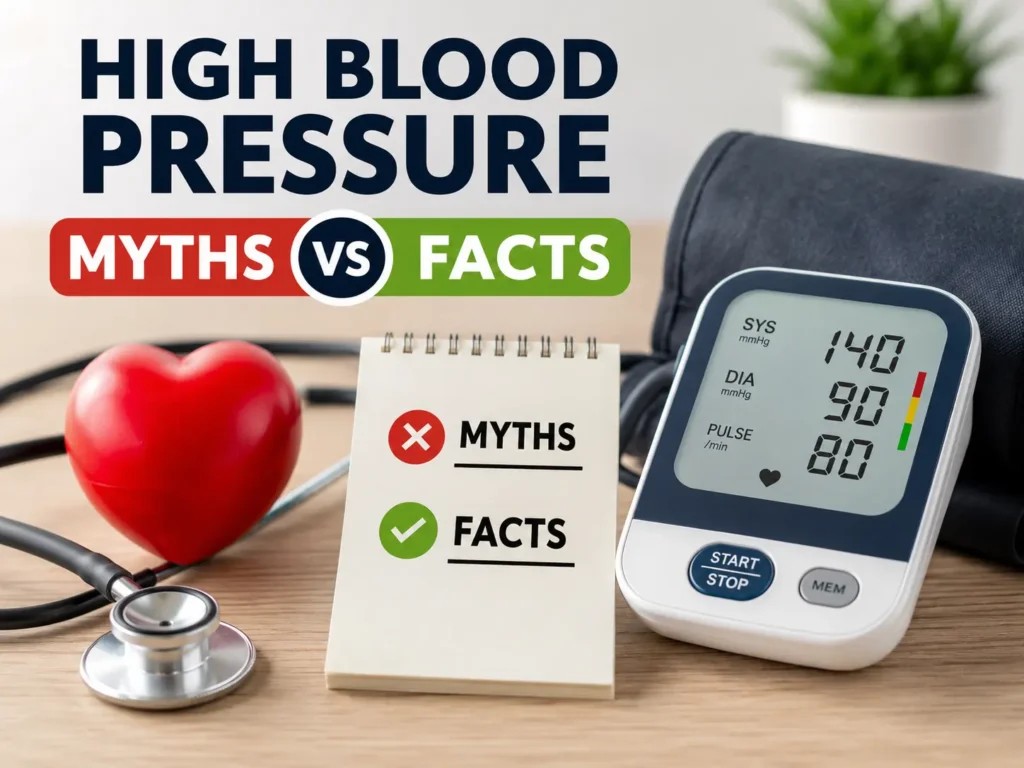
Myth vs. Fact
| Myth | Fact |
| Herbs can permanently cure hypertension. | No herb has been proven to cure hypertension permanently. |
| If I feel fine, my blood pressure is normal. | High blood pressure often causes no symptoms. |
| Natural products cannot cause side effects. | Many herbs can cause side effects or interact with medicines. |
| Zobo with plenty of sugar is healthy. | Excess sugar may reduce its overall health benefits. Unsweetened zobo is a better choice. |
| Once blood pressure is controlled, medication is no longer needed. | Medication should only be adjusted or stopped under medical supervision. |
Traditional medicine and modern medicine cannot be used together. In some cases they can, but only under the guidance of a qualified healthcare professional to avoid harmful interactions.
Key Takeaways
High blood pressure is a leading cause of heart disease, stroke, kidney disease, and premature death.
Hypertension often has no symptoms, making regular blood pressure checks essential.
Some herbs—including garlic, hibiscus (zobo), and beetroot—have encouraging scientific evidence for supporting healthy blood pressure.
Nigerian herbs such as moringa, bitter leaf, African mistletoe, uda, and scent leaf show promise, but stronger human studies are still needed.
Herbs should be viewed as complementary therapies, not replacements for prescribed medication.
Healthy eating, reducing salt intake, regular physical activity, maintaining a healthy weight, avoiding tobacco, limiting alcohol, and managing stress remain the foundations of blood pressure control.
Always discuss herbal supplements with your doctor or pharmacist, especially if you take prescription medicines or have chronic medical conditions.
Conclusion
High blood pressure is one of the most important health challenges facing Nigeria today, but it is also one of the most preventable and manageable. While herbal remedies have been part of Nigerian traditional medicine for generations, modern research shows that only a few—particularly garlic, hibiscus (zobo), and beetroot—have strong evidence from human studies for modest blood pressure-lowering effects. Other herbs, including moringa, bitter leaf, African mistletoe, and uda, remain promising but require more high-quality clinical research.
No single herb, food, or supplement can replace the proven benefits of a healthy lifestyle and appropriate medical treatment. The most effective approach combines a balanced diet, regular exercise, weight management, reduced salt intake, stress management, and adherence to prescribed medications when needed. Herbal remedies may provide additional support when used safely and under the guidance of a qualified healthcare professional.
By making informed, evidence-based choices and monitoring blood pressure regularly, individuals can significantly reduce their risk of heart attack, stroke, kidney disease, and other complications of hypertension.
When to Seek Immediate Medical Care
Seek emergency medical attention immediately if your blood pressure is 180/120 mmHg or higher, especially if you have any of the following:
- Severe chest pain
- Sudden weakness or numbness, especially on one side of the body
- Difficulty speaking or understanding speech
- Severe headache unlike your usual headaches
- Blurred vision or sudden loss of vision
- Shortness of breath
- Confusion
- Seizures
- Loss of consciousness
These symptoms may indicate a hypertensive emergency, heart attack, or stroke and require urgent treatment.
References
- Whelton, P. K., Carey, R. M., Aronow, W. S., et al. (2018). 2017 ACC/AHA Guideline for the Prevention, Detection, Evaluation, and Management of High Blood Pressure in Adults. Hypertension, 71(6), e13–e115.
- World Health Organization. (2023). Hypertension. Geneva: WHO.
- Williams, B., Mancia, G., Spiering, W., et al. (2018). 2018 ESC/ESH Guidelines for the management of arterial hypertension. European Heart Journal, 39(33), 3021–3104.
- Ried, K. (2020). Garlic lowers blood pressure in hypertensive individuals: A systematic review and meta-analysis. Experimental and Therapeutic Medicine.
- Serban, M. C., Sahebkar, A., Ursoniu, S., et al. (2015). Effect of sour tea (Hibiscus sabdariffa) on arterial hypertension: A systematic review and meta-analysis. Journal of Hypertension.
- Graudal, N., Hubeck-Graudal, T., & Jürgens, G. (2017). Effects of low sodium diet versus high sodium diet on blood pressure. Cochrane Database of Systematic Reviews.
- Siervo, M., Lara, J., Ogbonmwan, I., & Mathers, J. C. (2013). Inorganic nitrate and beetroot juice supplementation reduces blood pressure: A systematic review and meta-analysis. The Journal of Nutrition.
- World Health Organization. (2021). Guideline for the pharmacological treatment of hypertension in adults.
- Oparil, S., Acelajado, M. C., Bakris, G. L., et al. (2018). Hypertension. Nature Reviews Disease Primers, 4, 18014.
- International Society of tHypertension. (2020). Global Hypertension Practice Guidelines. Hypertension.