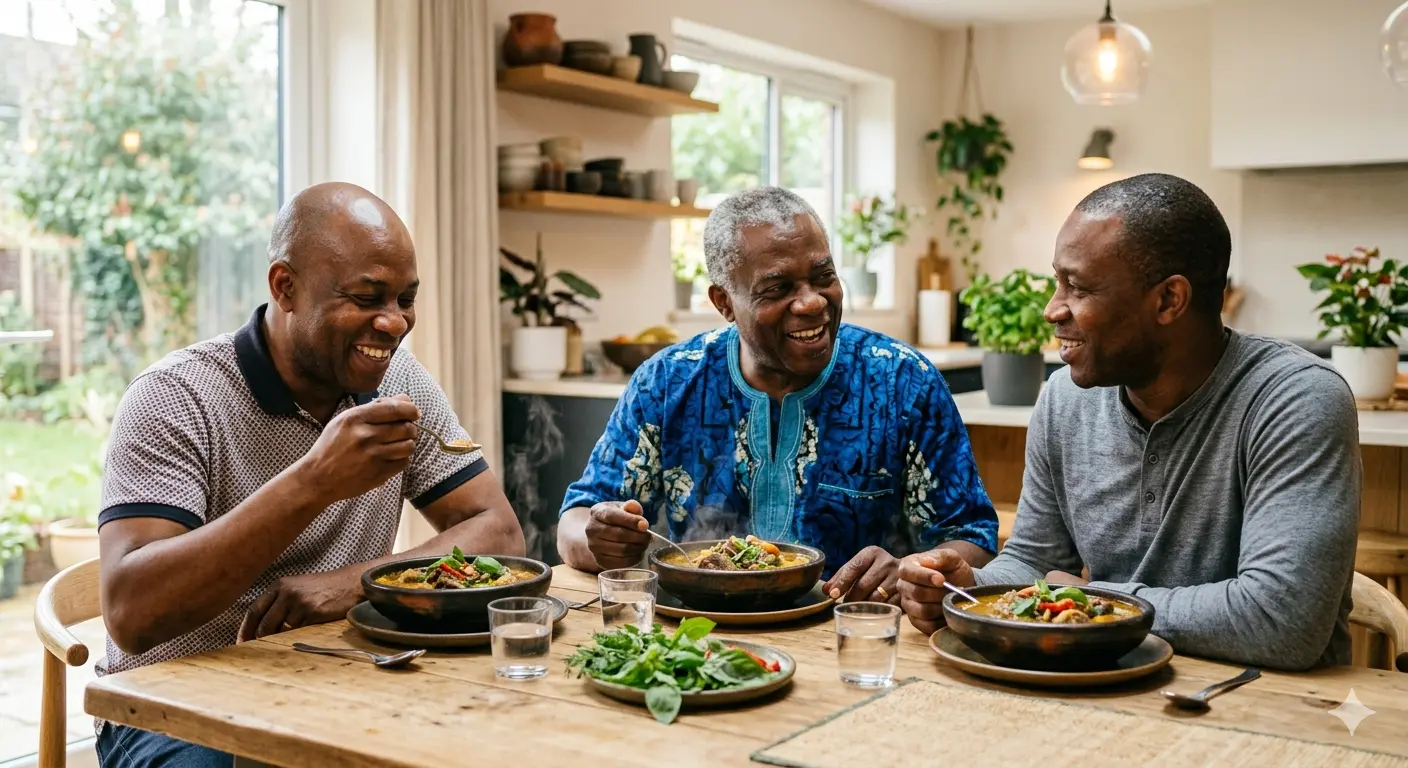

For many Nigerian men, a steaming bowl of catfish, goat meat (Asun), or chicken pepper soup is more than just comfort food. It is a cultural emblem, served at naming ceremonies, an evening ritual at the local joint after a long day of hustle, and a go-to remedy for everything from a cold to a stressful day.
But as men cross the age of 40, conversations shift from casual lifestyle choices to health preservation. Chief among these concerns is prostate health and a new question emerges from the shadows of the man cave: Is pepper soup good for prostate health?
Nigeria faces a steep rise in prostate-related issues, including Benign Prostatic Hyperplasia (BPH)—the non-cancerous enlargement of the prostate—and prostate cancer, which remains one of the leading causes of cancer-related mortality among black men globally.
Nigerian-born men have significantly lower prostate cancer incidence than African American men of similar genetic ancestry. This difference is linked to diet and environmental factors, supporting the idea that traditional West African foods, including pepper soup made with local spices, may help protect health.
Because traditional Nigerian cuisine relies heavily on potent, bioactive spices, a natural question arises: Is pepper soup good for prostate health, or does it aggravate urological issues?
To answer this, in this guide, we will separate the egusi from the chaff by looking past the folklore and Use peer-reviewed science and traditional knowledge, to analyze the specific Nigerian spices—Uziza, Uda (Negro pepper), Alligator pepper, and Atarodo—to determine if your favorite bowl is healing you or hurting your prostate.
Anatomy of a Healing Pot: The Bioactive Ingredients of Pepper Soup
To answer “Is pepper soup good for prostate health?” we must analyze its core components.
Traditional pepper soup is not just water and pepper or a single recipe. It is an intricate herbal decoction, a culinary family with dozens of regional expressions across Yoruba, Igbo, Hausa, Efik, and Delta cooking traditions.
Understanding pepper soup through the lens of phytochemistry transforms it from a comfort food into something closer to what ethnobotanists call a “functional food”—a food that provides health benefits beyond basic nutrition.
[mailerlite_form form_id=5]What Makes Pepper Soup Unique?
The specific spices used contain complex chemical profiles that modern pharmacology is only beginning to fully decode.
The prostate-health effects of pepper soup depend largely on:
- The ingredients used
- Portion size
- Overall dietary pattern
- Existing prostate condition
Let us examine the key components commonly found in a standard Nigerian pepper soup pot and how they interact with male cellular biology.
Related Articles
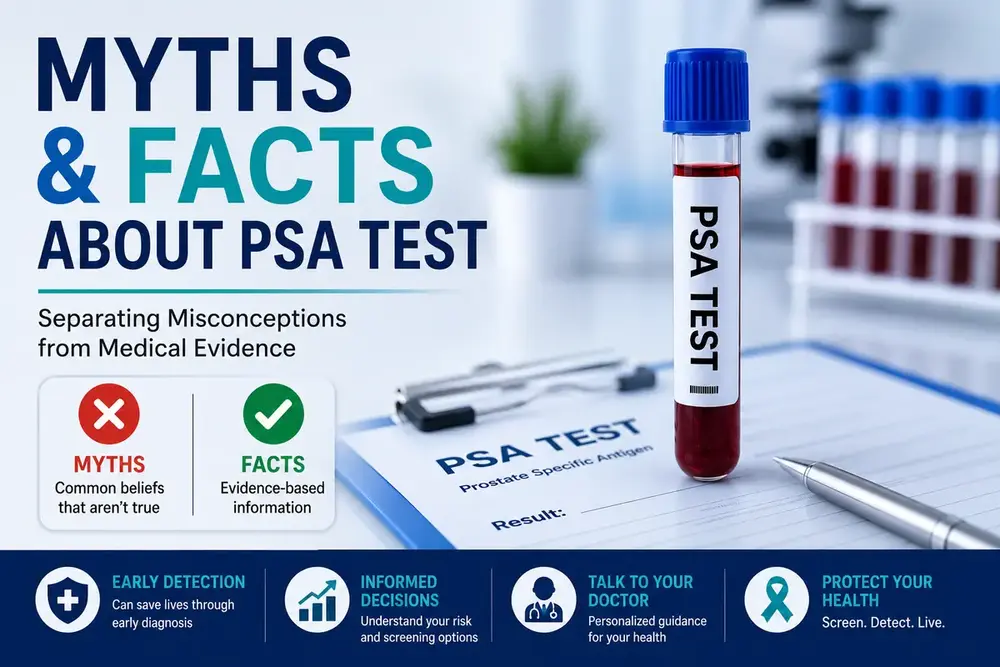
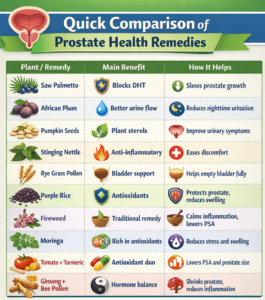
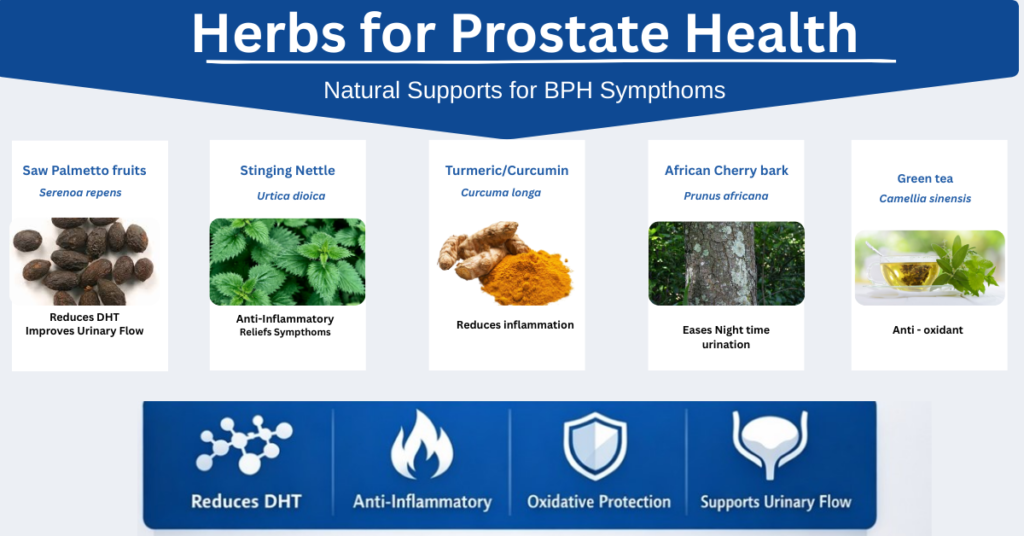
PEPPER SOUP INGREDIENTS
A standard Nigerian pepper soup base contains:
- Habanero/Scotch Bonnet (Atarodo/Ata Rodo) and Cayenne peppers (Shombo): The heat engine of pepper soup comes primarily from scotch bonnet peppers (Ata Rodo) and cayenne peppers (Shombo). Scotch bonnets contain among the highest concentrations of capsaicinoids of any pepper variety. In Yoruba tradition it is called “tatase pupa” (the red one) or “rodo.” These peppers owe their fiery punch to an alkaloid called capsaicin. Far from being a simple irritant, capsaicin is a highly researched phytochemical with remarkable effects on abnormal cell growth. Research shows that capsaicin induces cellular apoptosis (programmed cell death) in human prostate cancer cells while leaving healthy prostate tissue unharmed.
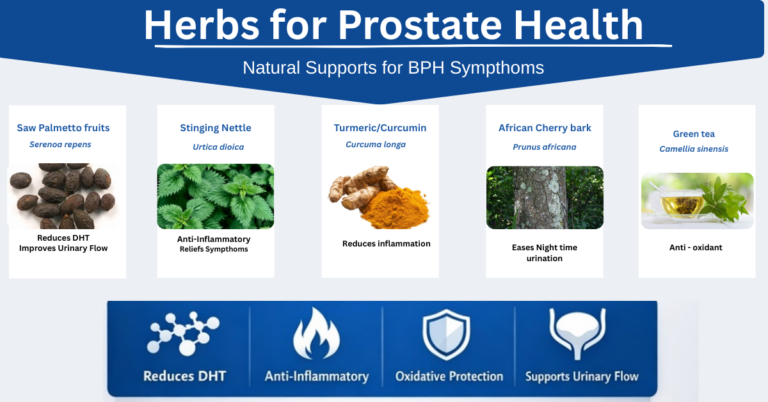
- Uziza Leaves (Piper guineense)The DHT Blocker?: Uziza is often called “Ashanti pepper” in Ghana. Known as iyere in Yoruba, uziza is a West African relative of black pepper with a distinctive peppery-anise aroma and documented pharmacological activity. In traditional Igbo medicine, it is used for reproductive health. It found high levels of flavonoids and alkaloids (specifically piperine), which has been shown to inhibit the enzyme 5-alpha-reductase in test-tube studies. This is the same enzyme that converts testosterone into Dihydrotestosterone (DHT) —the primary hormone responsible for prostate grow. Perhaps the most medicinally rich spice in pepper soup.
- Uda (Negro Pepper/Xylopia aethiopica): The dark, smoky pod. Uda pods lend a smoky, slightly bitter aroma to the soup. In traditional medicine, it is prized for its anti-inflammatory properties. Uda contains kaurane-type diterpenes and essential oils that exhibit strong antioxidant properties, helping clear systemic inflammation, which is a known driver of prostate enlargement.
- Alligator Pepper (Aframomum melegueta) The Testosterone Modulator: The gritty, peppery seed (Grains of Paradise). A cornerstone of West African ethnomedicine, Ataare contains key bioactive compounds including 6-gingerol, 6-paradol, and 6-shogaol. In addition to its traditional reputation for enhancing male While it doesn’t shrink the prostate directly, it improves urine flow by relaxing the smooth muscles of the bladder neck (Phosphodiesterase-5 (PDE-5) inhibitors)—a major relief for men with BPH who suffer from “hesitancy” (taking forever to start peeing)
- Ginger is almost universally included in Nigerian pepper soup. Beyond its flavour, ginger is one of the most extensively studied spices in ethnopharmacology, with more than 2,000 published papers on its bioactivity.
- Garlic: may support prostate health because it has anti-inflammatory and antioxidant effects. Some studies suggest it could help lower the risk of prostate cancer and may slightly ease symptoms of an enlarged prostate.
- Ehuru / African Nutmeg (Monodora myristica) is called ariwo or ehuru in Igbo and commonly used in Yoruba cooking. This is the aromatic seed that gives pepper soup its deep, resinous top note. It is widely used as a local nutmeg substitute and confused with true nutmeg, but botanically distinct and richer in certain phenolics. It is packed with volatile oils, polyphenols, and flavonoids. These compounds act as free radical scavengers, protecting delicate cellular DNA in the prostate gland from oxidative stress.
- Calabash Nutmeg (Monodora tenuifolia) Less universally used but common in South-South and Igbo preparations. Adds a warm, slightly bitter depth and contributes antioxidant phenolic compounds with documented free-radical scavenging activity.
- Utazi Leaves (Gongronema latifolium) Used particularly in Igbo and Efik pepper soups. Bitter, aromatic leaves with documented antidiabetic, antioxidant, and anti-inflammatory activity in Nigerian pharmacological literature.
- Protein: Goat meat, fish (Tilapia/Catfish), or cow foot.
- Scent Leaf (Efirin / Nchanwu / Ocimum gratissimum):Often shredded into the soup at the final stage of cooking, scent leaf is rich in eugenol and thymol. These essential oils have documented antibacterial and anti-inflammatory properties, making them beneficial for protecting the urinary tract from infections that can exacerbate prostate discomfort.
- Selenium and Zinc (From Crayfish):While not a plant compound, the crayfish commonly included in Nigerian pepper soup deserves mention for its mineral content. Both selenium and zinc are essential micronutrients for prostate health. Zinc, in particular, is present in higher concentrations in the prostate than in almost any other tissue in the body. Studies have consistently shown that prostatic zinc levels decline significantly in prostate cancer (Costello & Franklin, 2006), suggesting that zinc-rich foods may play a role in prostate health maintenance.
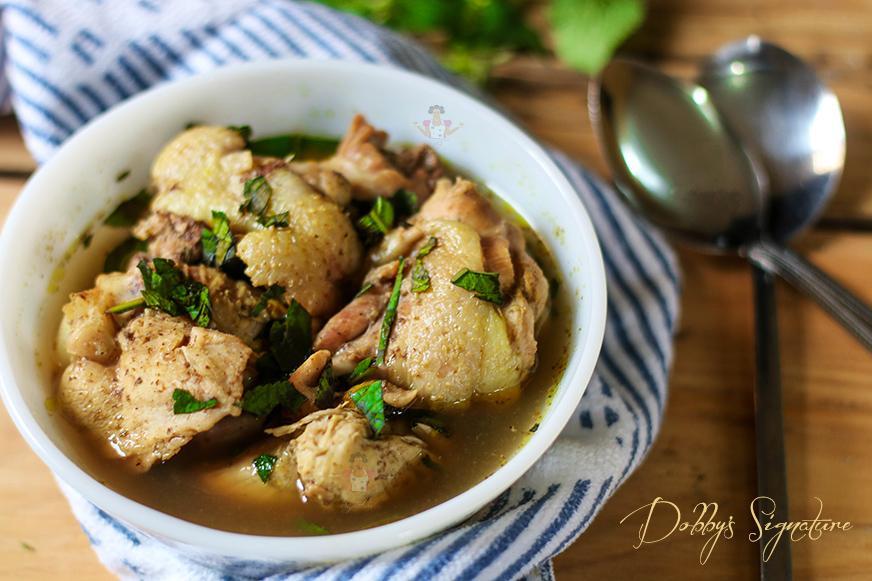
In addition to these core spices, many preparations include crayfish (a source of selenium and zinc — both essential for prostate function), garden egg leaves, scent leaves (Ocimum gratissimum), and, in medicinal preparations, oburunbebe stick (Rhaphiostylis beninensis) which contributes additional alkaloids.
The Verdict: Most ingredients lean toward anti-inflammatory. However, one ingredient (sodium/salt) is the enemy.
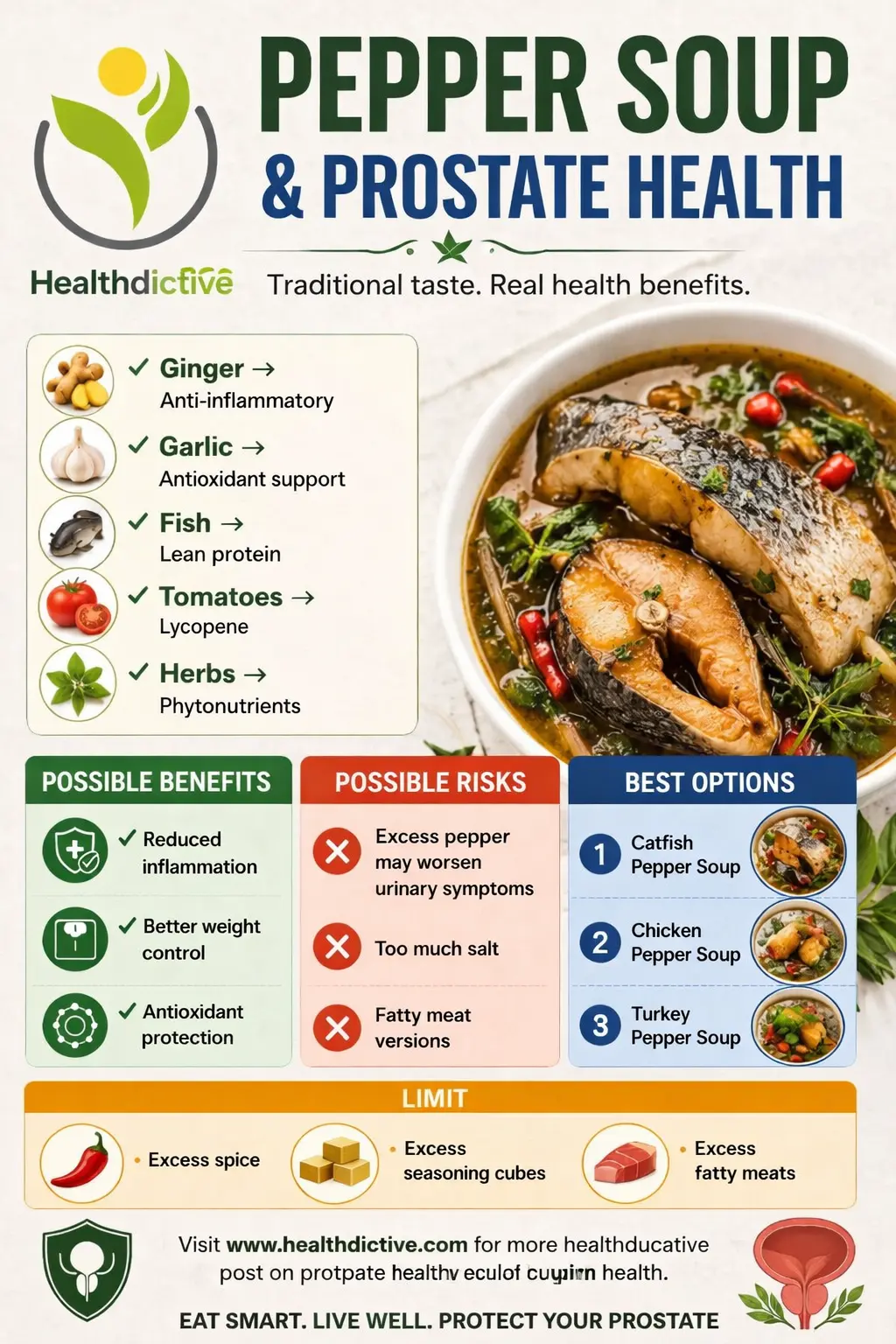
The Science: How Pepper Soup Impacts the Prostate
To evaluate whether pepper soup truly supports prostate health, we must break down its impact across three distinct clinical areas: prostate cancer prevention, benign prostatic hyperplasia (BPH), and lower urinary tract symptoms (LUTS).
The Hidden Danger: Salt and “Maggi”
Here is the reality check. The spices are good, but the preparation is bad for Nigerian men.
The Sodium Problem:
Most roadside pepper soup is laden with the following:
- Stock cubes (Maggi/Knorr): One cube contains up to 880mg of sodium.
- Table salt: Added liberally.
- Consequence: High sodium intake increases blood pressure. Hypertension is linked to worse Lower Urinary Tract Symptoms (LUTS). Furthermore, salt causes water retention, which puts pressure on the bladder, making you urinate more frequently—exactly what a BPH patient wants to avoid.
Dr. Oluwaseun Akinola, a Lagos-based urologist, states:
“The spices in pepper soup are neutral to beneficial. But the sodium bomb is the enemy. I tell my BPH patients to take pepper soup only if it is ‘homemade’ with fresh ingredients and zero stock cubes.”
The “Healthy Prostate” Pepper Soup Recipe
To maximize the urological and cellular benefits of pepper soup while minimizing bladder irritation and cardiovascular risks, you must move away from standard commercial preparations. Many commercial joints load their soups with monosodium glutamate (MSG) and excessive salt, which can elevate blood pressure and cause fluid retention—directly worsening nocturia.
Here is a biologically optimized, heart-healthy, and prostate-supportive recipe.
Ingredients:
- Protein Source: 500g of fresh Mackerel or Catfish (rich in Omega-3 fatty acids, which further reduce prostate inflammation) or lean Goat Meat.
- Fresh Spices: 2 medium Scotch Bonnet peppers (Ata Rodo), lightly crushed (adjust down if you have active urinary symptoms).
- Traditional Spice Mix: 1 tablespoon of ground Uda, Ehuru, and Ataare blend.
- Herbal Finish: A generous handful of fresh Scent Leaf (Efirin), finely shredded.
- Aromatics: 1 ginger root (grated) and 3 cloves of garlic (minced). Ginger and garlic work synergistically to enhance the anti-inflammatory action of the soup.
- Seasoning: A single pinch of sea salt and a dash of locust beans (Iru) for natural, mineral-rich depth instead of processed seasoning cubes.
Cooking Process:
- Clean your chosen protein thoroughly. If using fish, cut it into steaks.
- In a medium pot, bring 1.5 liters of water to a gentle simmer. Add your grated ginger, minced garlic, and the ground Uda-Ehuru-Ataare spice blend. Let them boil for 10 minutes to extract the essential oils and bioactive compounds into the water.
- Add the crushed Ata Rodo and the natural locust beans.
- Gently introduce your protein into the boiling seasoned broth. Reduce the heat to medium-low, cover the pot, and let it cook for 12 to 15 minutes (or longer if using goat meat) until the meat is tender and has absorbed the spices.
- Two minutes before turning off the stove, stir in the freshly shredded scent leaf. This preserves the delicate antimicrobial volatile oils (eugenol) from evaporating entirely.
- Serve warm. Enjoy the broth consciously, paying attention to how your bladder responds over the next few hours.
Optimized Pepper Soup Recipe for Prostate Health (Nigerian Men)
Instead of avoiding pepper soup, fix it. Here is a “Urologist-Approved” recipe.
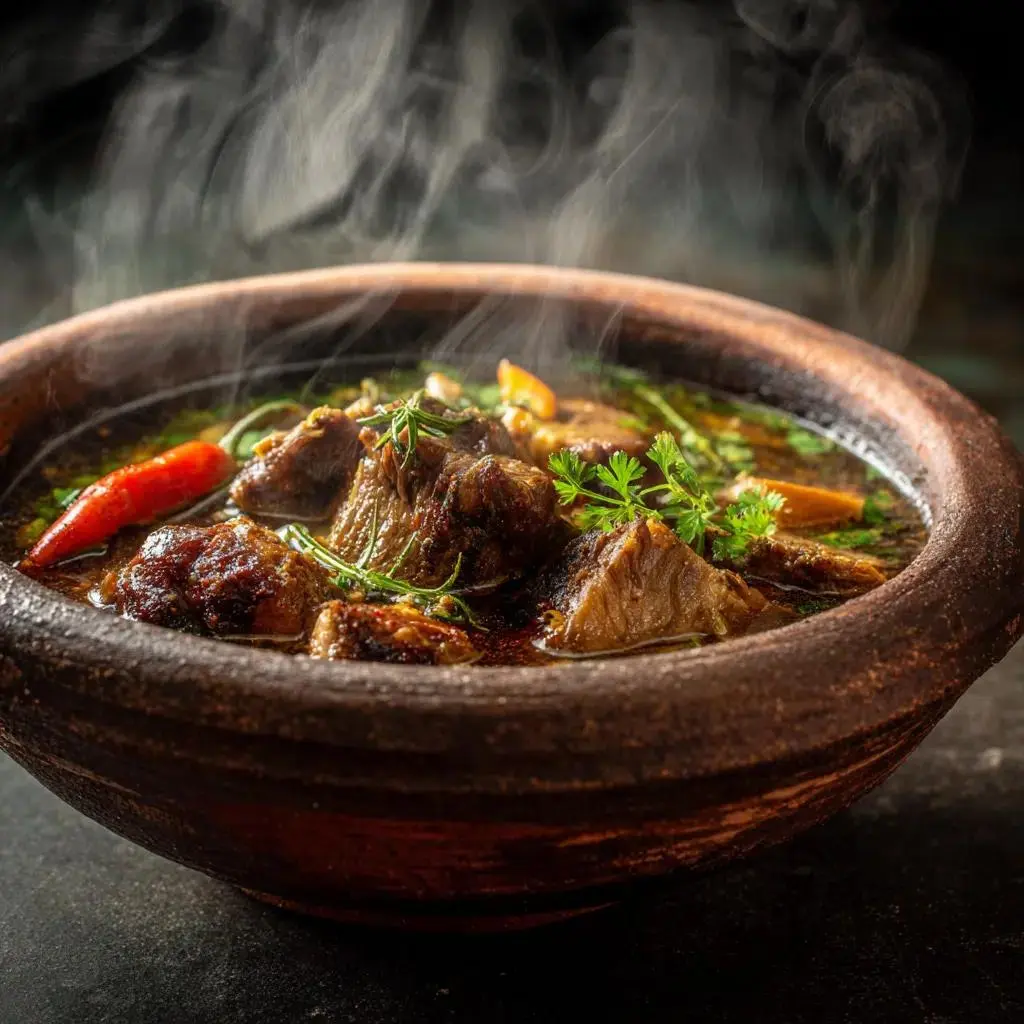
Ingredients:
- 500g Catfish (Omioko) or lean goat meat (remove visible fat).
- 4 cups water (no stock cubes).
- 10 fresh Uziza leaves.
- 5 Uda pods (Negro pepper).
- 1 tablespoon Alligator pepper (ground).
- 3 pieces Atarodo (Habanero)—remove seeds to reduce capsaicin irritation.
- 1 inch Ginger & 3 cloves Garlic (crushed).
- Secret ingredient: 1 tablespoon Turmeric powder (anti-inflammatory).
Method:
- Boil ginger, garlic, turmeric, and Uda in water for 10 minutes.
- Add fish/meat. Cook until done.
- Grind Alligator pepper and Atarodo together. Add to pot.
- Turn off heat. Add Uziza leaves (do not cook them out—heat destroys the piperine).
- Add ZERO salt. Rely on the natural umami of the fish.
🚫 When Pepper Soup is BAD for Your Prostate
Let’s be honest. Pepper soup is not a one-size-fits-all remedy.
- The “Hot” Burn: If you have acute bacterial prostatitis, the spicy capsaicin can irritate the inflamed urethra, causing dysuria (painful urination).
- Acid Reflux & Bladder: Spicy foods trigger acid reflux in some men. There is a strong gut-bladder axis. Reflux medication (PPIs) can interfere with nutrient absorption needed for prostate health.
- Oil Quantity: If your pepper soup is floating in palm oil or groundnut oil, you are consuming unhealthy saturated fats, which promote inflammation (the opposite of what we want).
When Pepper Soup May Worsen Prostate Symptoms
Despite potential benefits, pepper soup is not ideal for everyone.
Spicy Foods Can Irritate the Bladder
Many men have:
- BPH
- Chronic prostatitis
- Overactive bladder
report worsening urinary symptoms after consuming highly spicy foods.
These symptoms may include:
- Burning sensation
- Urinary urgency
- Increased frequency
- Pelvic discomfort
Research involving capsaicin receptors suggests that spicy compounds interact with sensory nerves associated with urinary and pelvic pain.
If you notice symptom flare-ups after eating pepper soup, reducing the pepper content may help.
Excessive Salt Can Be Problematic
Some pepper soup recipes contain large amounts of the following:
- Salt
- Bouillon cubes
- Seasoning powders
High sodium intake may contribute to:
- Fluid retention
- Increased blood pressure
- More frequent urination
For prostate health, moderate sodium intake is recommended.
Fatty Meat Versions May Not Be Ideal
Goat meat and assorted meat pepper soup can contain:
- Saturated fat
- Processed seasonings
- Excess calories
Frequent consumption of fatty meats may not support long-term prostate health as effectively as fish- or poultry-based options.
Which Pepper Soup Is Best for Prostate Health?
1. Catfish Pepper Soup
Pros
- Rich in protein
- Lower saturated fat
- Contains omega-3 fatty acids
Verdict: Excellent option for prostate-conscious men.
2. Chicken Pepper Soup
Pros
- Lean protein
- Lower calorie content
- Easy digestion
Verdict: One of the healthiest choices.
3. Turkey Pepper Soup
Pros
- High protein
- Lower fat than red meat
Verdict: Good choice when prepared with minimal salt.
4. Goat Meat Pepper Soup
Pros
- Rich flavor
- Good protein source
Cons
- Higher saturated fat
Verdict: Best enjoyed occasionally.
5. Assorted Meat Pepper Soup
Cons
- Higher fat
- Often heavily seasoned
Verdict: Least prostate-friendly option among common varieties.
What Urologists Want Nigerian Men to Know
Pepper soup is not a cure for:
- Enlarged prostate
- Prostatitis
- Prostate cancer
However, when prepared with healthy ingredients and moderate spice levels, it can be included in a prostate-friendly diet.
Seek medical evaluation if you experience:
- Blood in urine
- Difficulty urinating
- Persistent pelvic pain
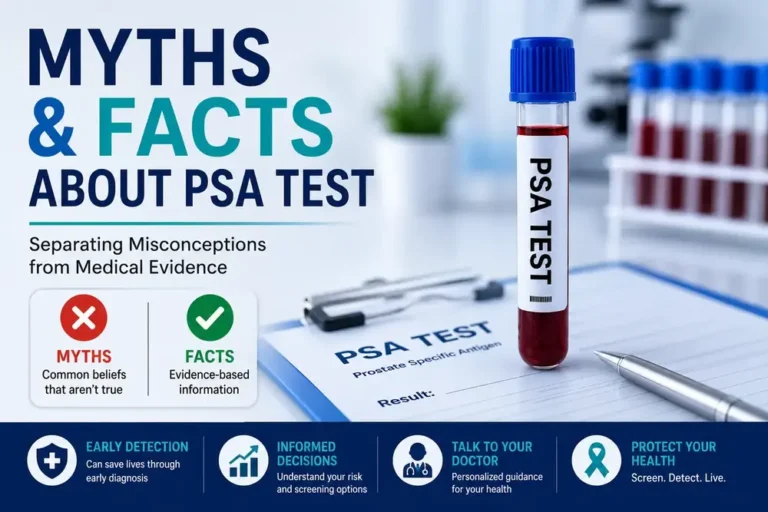
- Elevated PSA
- Family history of prostate cancer
What the Research Does Not Show
- Most of the evidence comes from lab and animal studies, not human trials. This means we can’t say eating pepper soup will prevent or treat prostate problems.
- There are no clinical trials testing Nigerian pepper soup itself for prostate health. While single ingredients like ginger or capsaicin have been studied, the full dish has not.
- Cooking changes how plant compounds are absorbed. Some become stronger, others weaker—but no one has measured this specifically for pepper soup.
- Pepper soup is not a substitute for medical care. Men with prostate symptoms still need proper tests and treatment from doctors.
Actionable Tips for Nigerian Men
To get the absolute best out of your diet without causing unwanted urological friction, adopt these baseline rules:
- Listen to Your Bladder: If you do not have urinary issues, enjoying spicy pepper soup 2–3 times a week can be a great addition to an anti-inflammatory diet. If you have been diagnosed with BPH, consume it mid-day rather than late at night to avoid sleep disruptions from frequent urination.
- Ditch the Maggi/Knorr Excess: Protect your cardiovascular health. Ask the cook at your local spot to minimize commercial seasoning cubes or control the ingredients by preparing it at home.
- Hydrate Properly: Pair your soup with plenty of clean water during the day to help flush out your urinary system and dilute irritating compounds before they reach the bladder.
Frequently Asked Questions (FAQs)
Can pepper soup cure prostate cancer or BPH?
No. While laboratory studies demonstrate that compounds like capsaicin kill prostate cancer cells and reduce tumor cell viability (Ramos-Torres et al., 2015; Şanlıer et al., 2024), pepper soup is a dietary aid, not a medical cure. It can support preventative health, but it cannot replace targeted medical therapies, surgery, or prescription drugs prescribed by a urologist.
Does the heat of the soup affect its prostate benefits?
The physical temperature of the soup does not alter its chemical benefits, but the chemical “heat” (capsaicin content) does. Ensure your soup is comfortably warm to preserve gut health, and avoid boiling your fresh herbs (like scent leaf) for too long to keep their therapeutic oils intact.
Is goat meat pepper soup better than fish pepper soup for the prostate?
Fish pepper soup is generally superior for prostate health. Fatty fish like mackerel, sardines, and catfish provide long-chain omega-3 fatty acids, which work alongside traditional spices to aggressively counter inflammation. Lean goat meat is a reasonable alternative, but processed or fatty meats should be minimized.
Why do I urinate frequently after eating pepper soup?
This happens because capsaicin activates TRPV1 receptors in your urinary tract, creating a mild localized warming effect that your brain interprets as bladder fullness or urgency. Additionally, if the soup contains a high amount of salt or artificial seasoning cubes, it can trigger fluid shifts that increase urine output.
Can pepper soup cure prostate cancer?
No. There is no clinical evidence that pepper soup cures cancer. It may support prevention of BPH and reduce inflammation, but if you have a high PSA or diagnosed cancer, see a doctor. Surgery or chemo cannot be replaced by broth. Pepper soup may be a positive complement to a healthy lifestyle, but it must not be used as a substitute for medical treatment.
Does eating pepper soup increase my PSA levels?
Indirectly, yes. If the pepper soup causes acute irritation (prostatitis), your PSA will spike temporarily. However, the spices themselves do not produce the PSA protein. A study noted that spicy diets correlate with lower PSA velocity in Asian men, but Nigerian data is lacking.
How often can I eat pepper soup for prostate health?
Moderation: There is no established therapeutic dosing for pepper soup. However, consuming it two to three times per week as part of a diet rich in vegetables, whole grains, and fish is consistent with dietary patterns associated with prostate health in the epidemiological literature. The key is consistency and preparation quality — using fresh spices, minimising processed additives, and pairing with prostate-friendly proteins like fish, chicken. Balance it with non-spicy, alkaline foods like bitter leaf (Vernonia amygdalina) and watermelon. For most healthy
Which is better for the prostate: goat meat or fish pepper soup?
Fish is superior. Goat meat (red meat) contains arachidonic acid, which can promote inflammation if eaten daily. Fish (especially catfish/mackerel) is rich in omega-3 fatty acids, which are proven to reduce prostatic inflammation. Choose fish pepper soup with uziza.
My father has BPH and loves pepper soup. What should I tell him?
Tell him: “Papa, remove the salt. Use fresh uziza. Avoid aboki pepper soup (which has too much sodium and monosodium glutamate). Cook it at home with ginger and turmeric.”
Is pepper soup good for prostate health or an enlarged prostate?
Yes — with important nuance. Nigerian pepper soup contains several bioactive compounds — including capsaicin, catechins, gingerols, and piperine — that have demonstrated anti-inflammatory and antiproliferative effects on prostate tissue in peer-reviewed laboratory and animal studies. It is not a cure or treatment for prostate disease, but it may genuinely support prostate health as part of a balanced, traditional Nigerian diet. The evidence supports including it as a positive dietary choice, not as a replacement for medical care. Extremely spicy versions may worsen urinary symptoms in some men.
Can pepper soup shrink the prostate?
No. There is no scientific evidence that pepper soup can shrink an enlarged prostate.
Does pepper soup prevent prostate cancer?
There is no proof that pepper soup prevents prostate cancer. Some ingredients such as tomatoes, garlic, and peppers contain compounds being studied for potential protective effects.
Is catfish pepper soup healthy for older men?
Yes. Catfish pepper soup is generally one of the healthiest pepper soup options because it provides protein while remaining relatively low in saturated fat.
Can spicy foods worsen prostatitis?
In some men, yes. Spicy foods may aggravate urinary symptoms and pelvic discomfort.
What makes pepper soup anti-inflammatory for the prostate?
The anti-inflammatory action comes primarily from capsaicin (scotch bonnet), which inhibits the NF-κB signalling pathway; gingerols (ginger), which inhibit COX-2 enzyme — the same target as ibuprofen; piperine (uziza), which has antioxidant and NF-κB modulatory activity; and eugenol (ehuru), which has been shown to reduce inflammatory cytokine production. Together, these compounds address multiple inflammatory pathways simultaneously, which is pharmacologically more effective than targeting a single pathway.
Are there risks of eating pepper soup for men with prostate problems?
For most men, traditionally prepared pepper soup is safe and nutritionally beneficial. However, men with acid reflux, peptic ulcer, gastritis, or irritable bowel syndrome may find heavily spiced preparations aggravate gastrointestinal symptoms. Very high capsaicin intake can irritate the urinary tract mucosa in susceptible individuals. Men taking blood thinners (warfarin, aspirin) should be aware that high ginger intake has mild anticoagulant properties. Always consult your doctor about dietary changes when managing a medical condition.
Which pepper soup spice is most beneficial for the prostate?
Based on the current peer-reviewed literature, uziza seeds (Piper guineense) and African nutmeg (ehuru, Monodora myristica) have strong documented evidence for prostate-relevant bioactivity, including antioxidant and antiproliferative effects. Capsaicin from scotch bonnet pepper has the most mechanistically specific evidence in prostate cancer cell lines. Ginger has the strongest evidence from animal model studies, including a 56% reduction in prostate tumor growth in one published study. All of these ingredients work synergistically — there is no single “most important” one, and the combination is likely more beneficial than any individual spice.
Is goat meat or fish pepper soup better for prostate health?
Fish pepper soup — particularly with oily fish like mackerel, sardine, or tilapia—is likely superior for prostate health. Oily fish provides omega-3 fatty acids (EPA and DHA) that have documented anti-inflammatory effects and have been inversely associated with prostate cancer risk in several epidemiological studies. Goat meat is a lean red meat and is acceptable in moderation. Processed red meat and organ meats should be limited. The spice base contributes the same phytochemical benefits regardless of the protein chosen.
Conclusion: Should Nigerian men eat pepper soup?
So, is pepper soup good for prostate health?
The Verdict: Yes, but with a strict modification.
The science says the Nigerian pepper soup is a genuinely impressive pharmacological matrix. Its traditional ingredients i.e the spices are excellent e.g uziza for DHT, uda for swelling, alligator pepper for flow, ehuru, scotch bonnet, ginger, crayfish, and scent leaves
They collectively provide capsaicin, piperine, gingerols, eugenol, catechins, selenium, and zinc. These compounds, individually studied in peer-reviewed literature, address inflammation, oxidative stress, cell proliferation, and hormonal signaling—all pathways relevant to BPH, prostatitis, and prostate cancer..
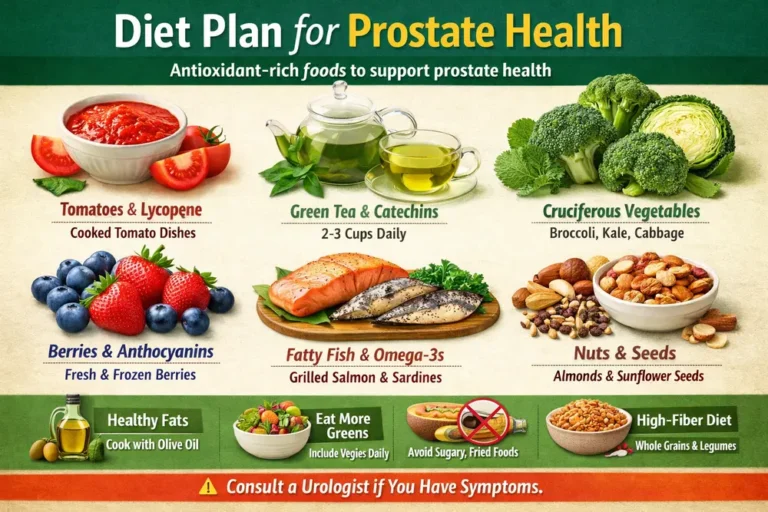
Also, the evidence suggests that traditional Nigerian pepper soup can be part of a prostate-friendly diet, particularly when made with fish, chicken, garlic, ginger, tomatoes, and leafy herbs.
However, the cultural preparation is dangerous (excessive salt, stock cubes, saturated fats, excessive spice, sodium, and fatty meats) may worsen symptoms in men with enlarged prostate or prostatitis.
The key is balance.
Pepper soup should complement—not replace—medical care, regular prostate screening, physical activity, healthy weight management, and a nutrient-rich diet.
For Nigerian men — particularly those over 40 — incorporating pepper soup prepared with the full complement of traditional fresh spices, alongside regular prostate screening, physical activity, and maintaining a healthy weight, represents a sensible, culturally grounded, and evidence-consistent approach to prostate health.
- Eat well. Eat wisely. And see your doctor.
- Do not buy pepper soup from the buka or roadside aboki.
- Do cook it at home with fresh fish, low sodium, high turmeric, and fresh uziza leaves.
- Monitor your symptoms. If you urinate more frequently after eating, the salt level is too high.
Pepper soup is not a magic bullet for prostate cancer, but as a functional food for BPH (enlarged prostate), it is a valuable tool in the Nigerian man’s arsenal—provided you leave the seasoning cubes on the shelf.
This article was reviewed for medical accuracy against current urological guidelines (AUA/EAU 2024 standards) and Nigerian dietary habits. Always consult a physician before stopping medication for herbal remedies.
[mailerlite_form form_id=1]References
Behrouzian Fard, G., Sadeghian, H., B. Rassouli, F., & Valinezhad Sani, F. (2025). Investigating the synergistic cytotoxicity and apoptosis-inducing effects of eugenol derivatives in combination with docetaxel on PC3 human prostate cancer cells. Medical Oncology, 43(1). https://doi.org/10.1007/s12032-025-03174-6
Damilola, A., & Omoboyowa. (2023). Deciphering Phosphodiesterase-5 Inhibitors from Aframemum melegueta: Computational Models against Erectile dysfunction. https://assets-eu.researchsquare.com/files/rs-3273774/v1/9bd52379-543c-4aa6-ac45-f41ecbf22d0e.pdf?c=1731341236
Díaz-Laviada, I. (2010). Effect of capsaicin on prostate cancer cells. Future Oncology, 6(10), 1545–1550. https://doi.org/10.2217/fon.10.117
Dinis, P., Charrua, A., Avelino, A., Nagy, I., Quintas, J., Ribau, U., & Cruz, F. (2005). The Distribution of Sensory Fibers Immunoreactive for the TRPV1 (Capsaicin) Receptor in the Human Prostate. European Urology, 48(1), 162–167. https://doi.org/10.1016/j.eururo.2005.01.009
Johnson, J. R., Woods-Burnham, L., Hooker, S. E., Batai, K., & Kittles, R. A. (2021). Genetic Contributions to Prostate Cancer Disparities in Men of West African Descent. Frontiers in Oncology, 11. https://doi.org/10.3389/fonc.2021.770500
Ma, M., Ma, Y., Zhang, G.-J., Liao, R., Jiang, X.-F., Yan, X.-X., Bie, F.-J., Li, X.-B., & Lv, Y.-H. (2017). Eugenol alleviated breast precancerous lesions through HER2/PI3K-AKT pathway-induced cell apoptosis and S-phase arrest. Oncotarget, 8(34), 56296–56310. https://doi.org/10.18632/oncotarget.17626
Ouyang, D., Zeng, L., Pan, H., Xu, L., Wang, Y., Liu, K., & He, X. (2013). Piperine inhibits the proliferation of human prostate cancer cells via induction of cell cycle arrest and autophagy. Food and Chemical Toxicology, 60, 424–430. https://doi.org/10.1016/j.fct.2013.08.007
Rowles, J. L., Ranard, K. M., Applegate, C. C., Jeon, S., An, R., & Erdman, J. W. (2018). Processed and raw tomato consumption and risk of prostate cancer: a systematic review and dose–response meta-analysis. Prostate Cancer and Prostatic Diseases, 21(3), 319–336. https://doi.org/10.1038/s41391-017-0005-x
Turini, D., Beneforti, P., Spinelli, M., Malagutti, S., & Lazzeri, M. (2006). Heat/burning sensation induced by topical application of capsaicin on perineal cutaneous area: New approach in diagnosis and treatment of chronic prostatitis/chronic pelvic pain syndrome? Urology, 67(5), 910–913. https://doi.org/10.1016/j.urology.2005.11.028
Disclaimer
The content in our articles is not meant to substitute a personal consultation with a qualified healthcare professional and should not be considered medical advice.