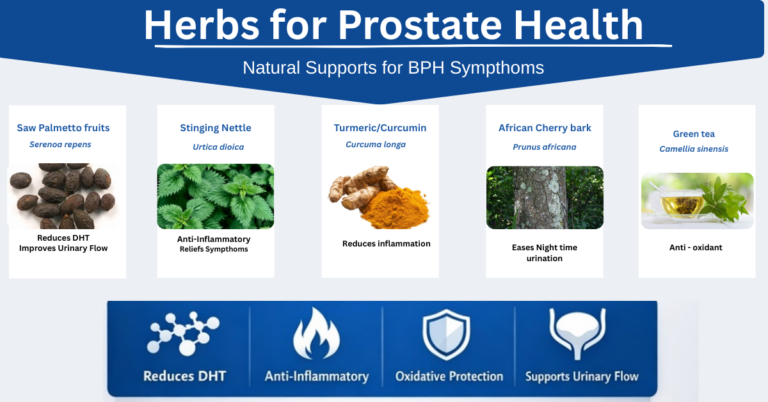

The Power of Local Nutrition
For the modern Nigerian man, health is wealth, yet prostate wellness is often a neglected conversation until symptoms arise. Emerging clinical data in 2026 highlights a vital truth: a Nigeria diet plan for prostate health is one of the most effective ways to manage inflammation and hormonal shifts.
The “Westernization” of the African plate—characterized by refined sugars, white bread, and processed meats—has led to a spike in metabolic issues. However, by returning to traditional, nutrient-dense staples like Ugu, Ofada rice, and Titus fish, you can naturally regulate Insulin-like Growth Factor 1 (IGF-1) and protect your prostate from enlargement and oxidative stress. This guide provides a peer-reviewed roadmap to eating for longevity using the best of West African nutrition.
For many African men, the conversation around health often starts too late and prostate health is a growing concern among African men, especially in Nigeria, where lifestyle and diet patterns are shifting toward processed foods.
However, emerging research in 2026 confirms that the foundation of longevity isn’t found in a pharmacy, but in the kitchen. If you are looking for a Nigeria/African diet plan for prostate health, you are taking a proactive step toward managing hormonal balance and reducing systemic inflammation.
This Nigeria diet plan for prostate health offers a science‑backed approach to preventing prostate enlargement and cancer through antioxidant‑rich, locally available foods.
Research shows that oxidative stress and chronic inflammation are major contributors to prostate disorders. A diet rich in antioxidants — from tomatoes, leafy greens, and fish — can help neutralize free radicals and support hormonal balance.
Understanding Prostate Health and Diet
The prostate is highly sensitive to three major biological processes:
1. Chronic Inflammation: Persistent inflammation contributes to prostate enlargement and urinary symptoms.
2. Oxidative Stress:Free radicals damage prostate cells, increasing disease risk.
3. Hormonal Imbalance:Dihydrotestosterone (DHT) plays a key role in prostate growth.
Diet directly influences all three.
Why Prostate Health Matters in Nigeria
- Prostate cancer is among the top three cancers affecting Nigerian men.
- Late diagnosis is common due to limited screening and awareness.
- Diet and lifestyle play a crucial role in prevention and management.
The Role of Diet in Prostate Function
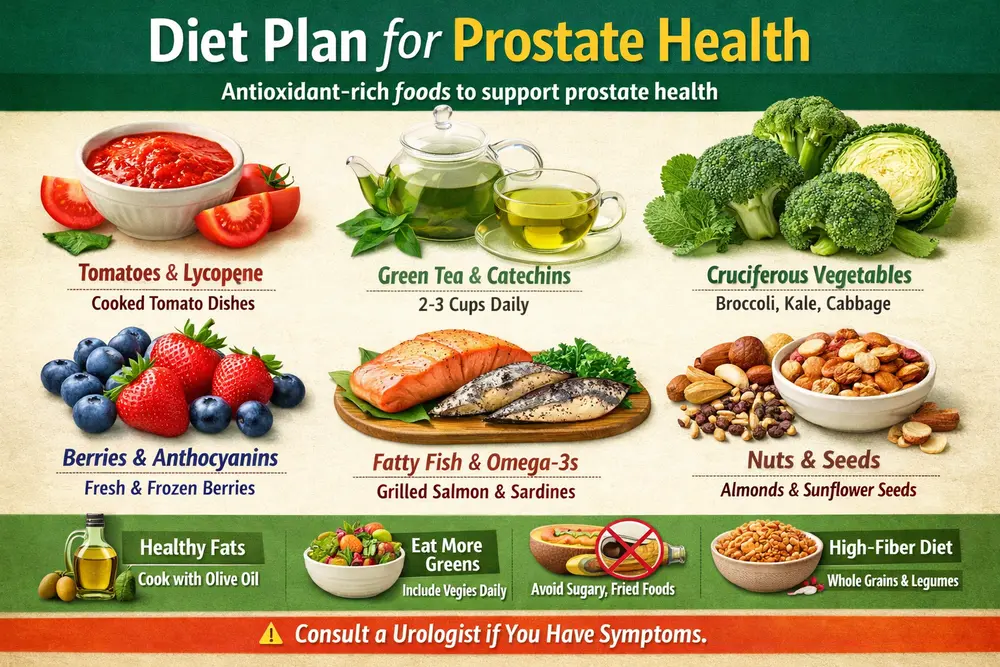
Diet plays a major role in prostate health. A study found that men who followed plant-based diets had significantly lower PSA levels.
Similarly, Harvard Health Publishing reports that healthier eating patterns are linked to reduced prostate cancer risk.
How the Nigerian Diet Impacts Prostate Health
Traditional African diets were naturally protective. However, modern eating patterns have shifted toward:
- Processed foods
- Excess red meat
- Refined carbohydrates
- Sugary beverages
These changes increase inflammation and metabolic stress. The goal isn’t to abandon local foods—it’s to optimize them.
The Science: Why the Nigeria Diet Plan for Prostate Health Works
The prostate is a highly metabolic gland. It requires specific micronutrients to function, most notably Zinc and Antioxidants. In the West African context, our traditional diet is naturally structured to provide these, provided we avoid the “Westernization” of our food supply.
Traditional African diets—built around whole grains, legumes, fruits, and leafy vegetables—are naturally rich in bioactive phytochemicals such as polyphenols, flavonoids, and carotenoids. These compounds are known for their antioxidant and anti-inflammatory properties, which play a role in protecting against chronic diseases. A Study on African indigenous vegetables show they contain high levels of these protective compounds, supporting their role in promoting overall health and disease prevention.
In addition, a study on broader nutritional analyses of African foods showed that many traditional diets provide significantly higher levels of polyphenols compared to modern, highly processed diets . This nutritional profile may contribute to better metabolic and prostate health outcomes.
The Insulin-Prostate Connection
When we consume highly refined “swallows” or sugary drinks, our insulin spikes. High insulin triggers the release of IGF-1, which acts as a growth stimulant for prostate cells. In men, elevated IGF-1 is a primary driver of prostate cell proliferation. A traditional Nigerian diet—rich in complex, slow-burning starches like Acha and unripe plantain—keeps the keep insulin levels low, effectively “starving” potential abnormal cell growth.
Related Posts


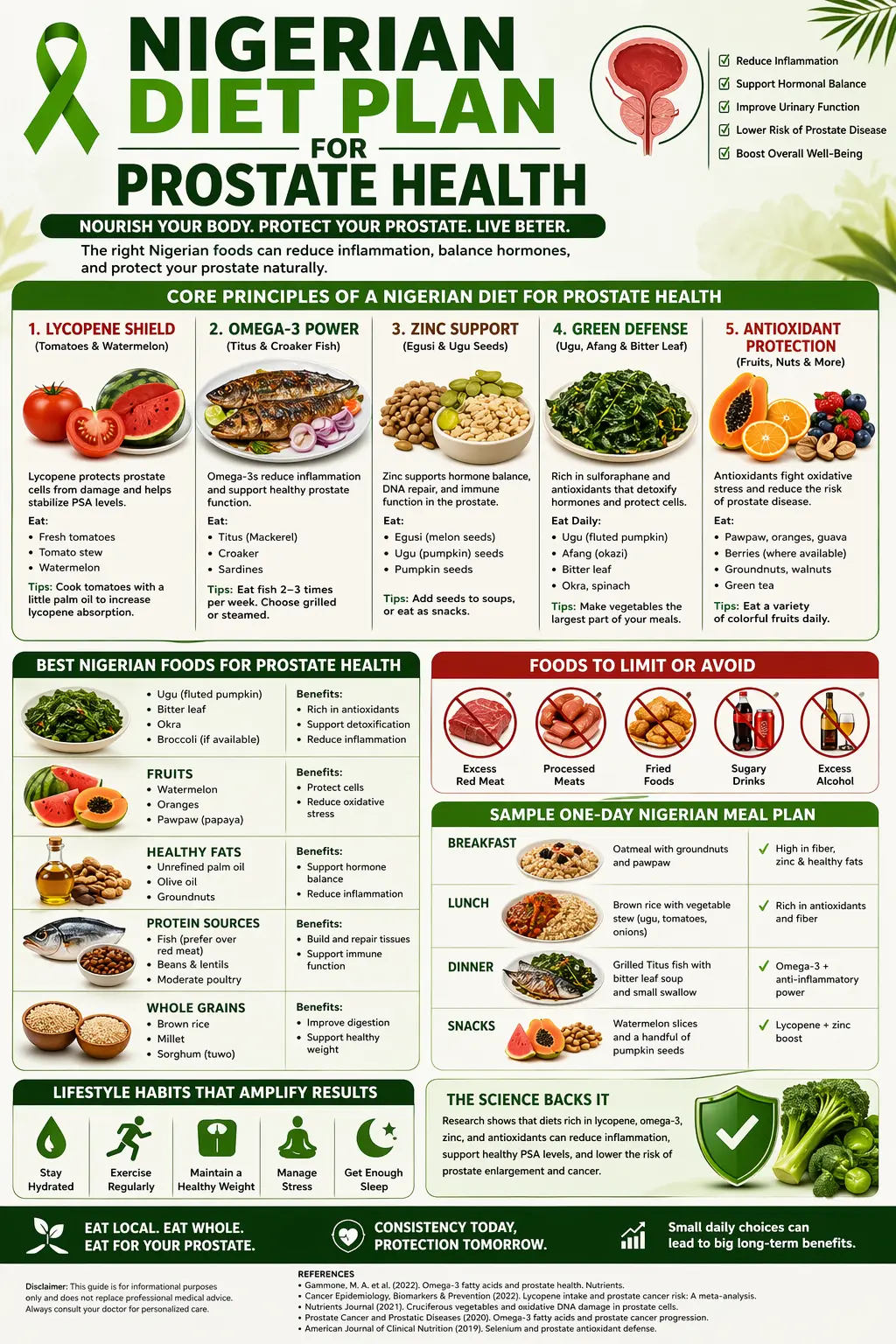
Core Principles of a Nigerian Diet Plan for Prostate Health: An Evidence-Based Guide
To optimize your diet, you must focus on five functional food groups available in local markets across Lagos, Abuja, and beyond. These groups target specific inflammation, DNA repair, oxidative stress, hormonal imbalance, and cellular repair- the key drivers of prostate conditions.
1. The Lycopene Shield (Fresh Tomatoes & Watermelon)
Lycopene is a one of the most powerful antioxidant that accumulates in prostate cell and act as a cellular “shield” helping stabilize PSA levels and reduce prostate disease risk. A meta-analysis published in Cancer Epidemiology, Biomarkers & Prevention found that higher intake of lycopene-rich foods, such as tomatoes, is associated with a reduced risk of prostate cancer. Subsequent systematic reviews have also shown that increased lycopene consumption is linked to lower prostate cancer risk in a dose-dependent manner.
How to use: Use fresh, red tomatoes in stews, jollof rice, and pepper soups. or olive oil. Cooking breaks down the plant’s cell walls, making the lycopene significantly more bioavailable. Eat watermelon regularly as it is another rich source of lycopene — enjoy it fresh or blended.
2. Omega‑3 Fatty Acids (Titus and Croaker Fish)
Chronic inflammation is the enemy of the prostate. Omega‑3s act as “fire extinguishers,” reducing inflammation and help in improving blood flow. Omega-3s (EPA & DHA) reduce inflammatory cytokines linked to prostate disease progression.
How to use: Prioritize local Titus (Mackerel), Croaker, and Sardines over red meat. These fish provide superior blood flow support and pelvic health benefits. Aim for at least three servings per week. Replace red meat with fish whenever possible.
Local Tip: Grill or bake fish instead of frying to preserve omega‑3 integrity.
3. Zinc‑Rich Seeds (Egusi and Ugu Seeds)
The prostate contains the highest concentration of zinc in the male body — essential for DNA repair and hormone metabolism. Making zinc intake critical for its function. The American Journal of Clinical Nutrition highlights that minerals like Selenium and Zinc improve the prostate’s natural antioxidant defense system. Zinc supports testosterone balance and cellular regeneration.
How to use: Egusi (Melon seeds), Ugu (Pumpkin) seeds, and Groundnuts are local superfoods. They provide the necessary phytosterols to manage gland volume and support hormone metabolism. Add them to soups or smoothies.
Local Tip: Combine Egusi (melon seeds) with leafy greens in soups. Add ugu (pumpkin) seeds as snacks or meal toppings. Include other seeds and nuts like sesame and groundnuts
4. Cruciferous Defense (Ugu, Afang, and Bitter Leaf)
Green leafy vegetables are not just fiber; they are biochemical factories that are rich in compounds that support detoxification and hormone balance. Sulforaphane and polyphenols found in cruciferous vegetables helps the liver eliminate excess estrogen and carcinogens that may contribute to prostate growth.
How to use: Ensure every “swallow” is accompanied by a heavy portion of Edikang Ikong, Afang, or Bitter Leaf soup. These greens help the liver process excess estrogen and environmental toxins that can irritate the prostate. Regularly eat Ugu (fluted pumpkin), Bitter leaf, Afang (Okazi) and Okra and spinach.
Local Tip: Steam lightly to preserve antioxidants.
5. Hormonal Balance Through Healthy Fats & Fiber
Healthy fats and fiber regulate hormones and reduce inflammation. Hormonal imbalance—especially elevated DHT—is a major factor in prostate enlargement.
What Helps: Avocados, Groundnuts, walnuts, Pumpkin seeds, Whole grains (millet, brown rice, sorghum), and fatty fish.
Diets rich in monounsaturated fats improve testosterone metabolism and reduce prostate enlargement risk.
How to use: Use moderate amounts of unrefined palm oil and olive oil when available.
6. Hydration & Hormone-Supportive Fruits (Pawpaw & Guava)
Antioxidant-rich fruits protect cells from the daily oxidative stress of urban Nigerian life. rewrite and remove medical terms.
Current evidence suggests that overall dietary patterns rich in plant-based foods are associated with better prostate health outcomes in humans, while laboratory studies explains how plant compounds may influence prostate cancer cell behavior.
How to use: Incorporate Pawpaw (Papaya), Watermelon, and Guava into your daily routine. These fruits provide Vitamin C and anthocyanins that reduce systemic inflammation.
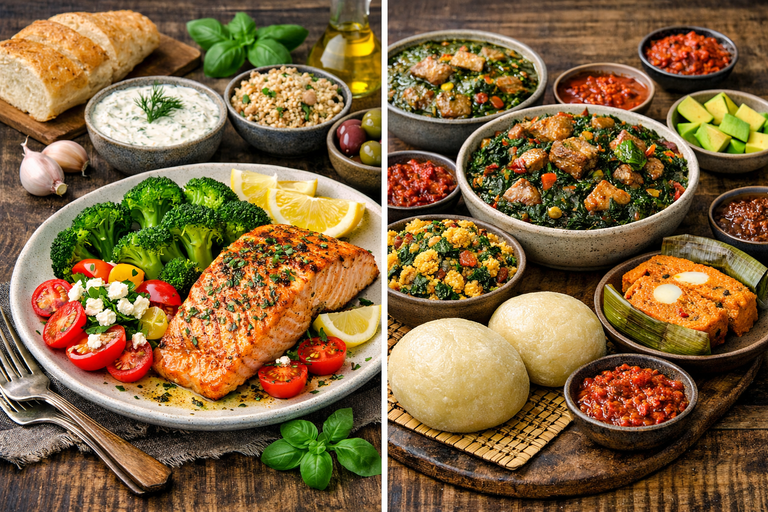
Summary of Traditional Nigerian Food Swaps
| Food Category | Recommended Local Choices | Primary Benefit |
| Vegetables | Ugu, Bitter Leaf, Okra, Scent Leaf | Detoxification & Anti-inflammation |
| Healthy Fats | Unrefined Palm Oil, Avocado, Groundnuts | Hormone Regulation & Lycopene Absorption |
| Protein | Fish (Titus/Croaker), Beans, Snail | Lowering IGF-1 (Growth Factor) |
| Whole Grains | Ofada Rice, Millet, Sorghum (Tuwo) | Insulin Stability & Fiber |
The “Swallow” Strategy: Choosing Low-Glycemic Staples
In a Nigeria diet plan for prostate health, the type of “swallow” you choose determines your metabolic response.
In Nigeria, the “swallow” is the heart of the meal and the type you choose determines your metabolic response. However, not all starches are created equal when it comes to hormonal health.
- Best Choices: * Unripe Plantain Amala: High in resistant starch; does not spike insulin.
- Acha (Fonio): An ancient grain that is gluten-free and low-glycemic.
- Ofada Rice: Retains the bran and fiber that white rice lacks.
- Guinea Corn (Sorghum): Rich in tannins that have anti-prostate cancer properties.
- Avoid/Limit: White Garri (use Yellow Garri in moderation or switch to fiber-rich alternatives).
- White Bread and refined “Poundo” flours.
| Best Choices (Low GI) | Limit/Avoid (High GI) |
| Unripe Plantain Amala | White Garri (Processed) |
| Acha (Fonio) | White Bread (Agege Bread) |
| Guinea Corn (Sorghum) | Refined “Poundo” Flours |
| Ofada Rice | Standard White Rice |
African Botanicals: Scent Leaf, Bitter Leaf, and Garden Egg
West African flora offers unique “hormone-supportive” properties that are now being validated by global peer reviews.
- Bitter Leaf (Ewuro): Scientific research suggests that contains natural plant compounds that help protect the prostate by slowing the growth of unhealthy cells and reducing the body’s triggers for swelling and irritation.
- Scent Leaf (Efirin): Rich in essential oils that reduce pelvic inflammation.
- Garden Egg: A high-fiber, potassium-rich vegetable that helps manage blood pressure and prostate health.
Local Superfoods
- Okra: Rich in mucilage and antioxidants; supports urinary flow.
- Garlic and Ginger: Anti‑inflammatory and antimicrobial properties.
- Avocado (Pear): Contains plant sterols that balance hormones.
- Beans and Legumes: High fiber helps detoxify excess hormones.
Foods to Strictly Limit to Protect Your Prostate: The “Red List”
What you don’t eat is just as important as what you do and are clear about specific triggers:
- Charred Suya: High-heat charring produces heterocyclic amines (HCAs) which irritate the prostate.
- Excessive Red Meat: Limit beef and goat meat to once a week. High intake is linked to oxidative stress in the gland.
- Processed Meats: Avoid “suya” made from processed or charred meats, as the charring creates carcinogenic compound
- Refined Sugars and sugary beverages: Soft drinks and malt drinks spike insulin, fueling gland growth.
- Red and processed meats (canned beef).
- Excess dairy and saturated fats.
- Alcohol
- Deep-fried snacks
- Refined carbs (white bread, pastries)
Lifestyle Tips for Nigerian Men
- Exercise at least 30 minutes daily or at least 150 minutes of moderate-intensity aerobic activity per week.
- Maintain healthy body weight.
- Stay hydrated — 2–3 liters of water daily.
- Avoid smoking and excessive alcohol.
- Get regular prostate screening after age 40.
FAQ Section
Can Nigerian herbs help prostate health?
Yes, herbs like bitter leaf and moringa contain antioxidants that may support prostate function, but they should complement—not replace—medical care.
Is palm oil safe for prostate health?
Moderate use is fine; red palm oil contains tocotrienols (Vitamin E variants) beneficial for antioxidant defense.
How often should I eat fish? At least twice weekly for optimal omega‑3 intake
Can I drink palm wine on a prostate-healthy diet?
In moderation, fresh palm wine contains yeast and B-vitamins. However, fermented (alcoholic) palm wine can irritate the bladder and should be limited.
Is “Yellow Garri” better than “White Garri”?
Yes. Yellow Garri contains palm oil (pro-vitamin A/tocotrienols) which is more supportive of cellular health than the highly processed white variety.
How much water should I drink?
Aim for 2.5–3 liters daily, but reduce intake after 7 PM to minimize nighttime trips to the bathroom (nocturia).
What is the best Nigerian food for prostate health?
Tomatoes, pumpkin seeds, leafy greens, and fish are among the most beneficial.
Can diet reduce prostate enlargement?
Yes. Anti-inflammatory diets can help reduce symptoms and slow progression.
Is red meat bad for prostate health?
Excess consumption is linked to increased risk. Moderation is key.
Are herbal remedies effective?
Some herbs may support prostate health, but they should complement—not replace—diet and medical care.
How long does diet take to improve prostate health?
Improvements may begin within weeks, but long-term consistency is required.
Conclusion: Start Your Journey Today
Implementing a Nigeria diet plan for prostate health is about more than just avoiding disease; it is about feeling younger, maintaining energy, and protecting your future. By focusing on Titus fish, leafy greens, and traditional starches, you are giving your body the tools it needs to thrive.
A Nigeria diet plan for prostate health emphasizes antioxidant‑rich, locally available foods that protect against inflammation and oxidative stress. By integrating tomatoes, leafy greens, fish, and nuts into daily meals, men can significantly improve prostate wellness and longevity.
You don’t need a perfect diet—you need a consistent one. A well-structured diet plan for prostate health can significantly reduce inflammation, support hormonal balance, and improve quality of life over time
Your Next Step
Start with one change today:
- Replace processed foods with whole meals
- Add one vegetable to every meal
- Switch to healthier fats
Then build from there.
Disclaimer
The content in our articles is not meant to substitute a personal consultation with a qualified healthcare professional and should not be considered medical advice.
Scientific References
- Abdulmumin Jabir, Siddan, A. A., Maianguwa Abdulrsashid Dauda, Umaru, I. J., Bilyaminu Habibu, Adeseye Helen Oluwabunmi, Kingsley Iyoko Iseko, & Dafup Katdel Istifanus. (2024). Determination of Mineral, Vitamin Content and Antioxidant Activity of Telfairia Occidentalis Seed. 1(1), 569–578. https://doi.org/10.58578/ajbmbr.v1i1.3665
- Aja, P. M., Agu, P. C., Musyoka, A. M., Ngwueche, W., Odo, J. U., Alum, E. U., Fasogbon, I. V., Herbert, M., & Daniel Eze, E. (2025). Integrative Approaches to Prostate Disease Management: Nutrition, Exercise, and Lifestyle Modifications. American Journal of Men’s Health, 19(3). https://doi.org/10.1177/15579883251344571
- Erdman Jr, J. W. (2006). Lycopene intake and prostate cancer risk. SIGHT and LIFE NEWSLETTER 1/2006, 2006(1). https://doi.org/10.52439/irrv9208
- Galván, G. C., Daniels, J. P., Friedrich, N. A., Das, S., & Freedland, S. J. (2023). A healthy diet, a healthy prostate? A brief commentary on the latest research on diet and prostate cancer. Prostate Cancer and Prostatic Diseases, 26(4), 641–642. https://doi.org/10.1038/s41391-023-00651-9
- Hackshaw-McGeagh, L. E., Perry, R. E., Leach, V. A., Qandil, S., Jeffreys, M., Martin, R. M., & Lane, J. A. (2015). A systematic review of dietary, nutritional, and physical activity interventions for the prevention of prostate cancer progression and mortality. Cancer Causes & Control, 26(11), 1521–1550. https://doi.org/10.1007/s10552-015-0659-4
- Liu, B., Mao, Q., Cao, M., & Xie, L. (2011). Cruciferous vegetables intake and risk of prostate cancer: A meta-analysis. International Journal of Urology, 19(2), 134–141. https://doi.org/10.1111/j.1442-2042.2011.02906.x
- Liu, G., Yang, F., Song, W., & Hou, R. (2025). The impact of diet and gut microbiota on development, treatment, and prognosis in prostate cancer. Frontiers in Nutrition, 12, 1621389–1621389. https://doi.org/10.3389/fnut.2025.1621389
- Malory Jumat, Kwaku Gyebi Duodu, & Averalda van Graan. (2023). Systematic Review of the Literature to Inform the Development of a South African Dietary Polyphenol Composition Database. Nutrients, 15(11), 2426–2426. https://doi.org/10.3390/nu15112426
- Mouzannar, A., Kuchakulla, M., Blachman-Braun, R., Nackeeran, S., Becerra, M., Nahar, B., Punnen, S., Ritch, C., Parekh, D. J., & Gonzalgo, M. L. (2021). Impact of Plant-Based Diet on PSA Level: Data From the National Health and Nutrition Examination Survey. Urology, 156, 205–210. https://doi.org/10.1016/j.urology.2021.05.086
- Shu, X., Lin, J., Yao, L., Liu, S., Chen, Q., Wang, H., & Wang, L. (2025). Dietary Omega-3 intake may slow prostate cancer progression and reduce mortality risk: evidence from prostate, lung, colorectal, and ovarian cancer screening trial. Frontiers in Nutrition, 12. https://doi.org/10.3389/fnut.2025.1623295
- Solan, M. (2023, August). Diet and prostate cancer – Harvard Health. Harvard Health. https://www.health.harvard.edu/mens-health/diet-and-prostate-cancer?utm_source=chatgpt.com
- Stiles, L. I., Ferrao, K., & Mehta, K. J. (2024). Role of zinc in health and disease. Clinical and Experimental Medicine, 24(1), 38. https://doi.org/10.1007/s10238-024-01302-6