

Why Prostate Health Matters
Prostate health is a cornerstone of men’s overall well-being. Conditions such as benign prostatic hyperplasia (BPH), prostatitis, and prostate cancer can significantly affect quality of life. Globally, prostate cancer is the fourth most common cancer in men, with over 1.4 million new cases annually. In Nigeria, it is among the leading causes of cancer-related deaths in men.
This article blends global medical recommendations with local Nigerian context to provide practical, evidence-based strategies for maintaining prostate health.
The prostate gland, is a small, walnut-sized gland in the male reproductive system that surrounds the urethra just below the bladder. Its primary function is to produce a fluid that mixes with sperm from the testicles to form semen. Muscles in the prostate contract during ejaculation to forcefully push this fluid out through the urethra
The prostate gland, though small, plays a vital role in male reproductive and urinary health. Prostate health is a vital aspect of men’s overall wellness, yet it’s often overlooked until problems arise. The prostate gland plays a crucial role in the male reproductive system, producing fluids that make up semen and regulating urine flow.
Functions of Prostate gland
- Produces seminal fluid: The prostate gland produces a milky fluid that is a key component of semen.
- Aids in ejaculation: It contains muscle tissue that contracts during ejaculation, helping to force semen through the urethra.
- Produces PSA: The prostate produces a protein called prostate-specific antigen (PSA), which helps to make semen more watery. A PSA blood test can help doctors diagnose prostate problems
- As men age, the risk of prostate-related conditions such as benign prostatic hyperplasia (BPH), prostatitis, and prostate cancer increases significantly. However, prostate issues, such as benign prostatic hyperplasia (BPH), prostatitis, and prostate cancer, can significantly impact quality of life. In this comprehensive guide, we’ll explore the secrets to maintaining optimal prostate health, debunk common myths, and provide actionable tips to transform your life.
Understanding Prostate Health
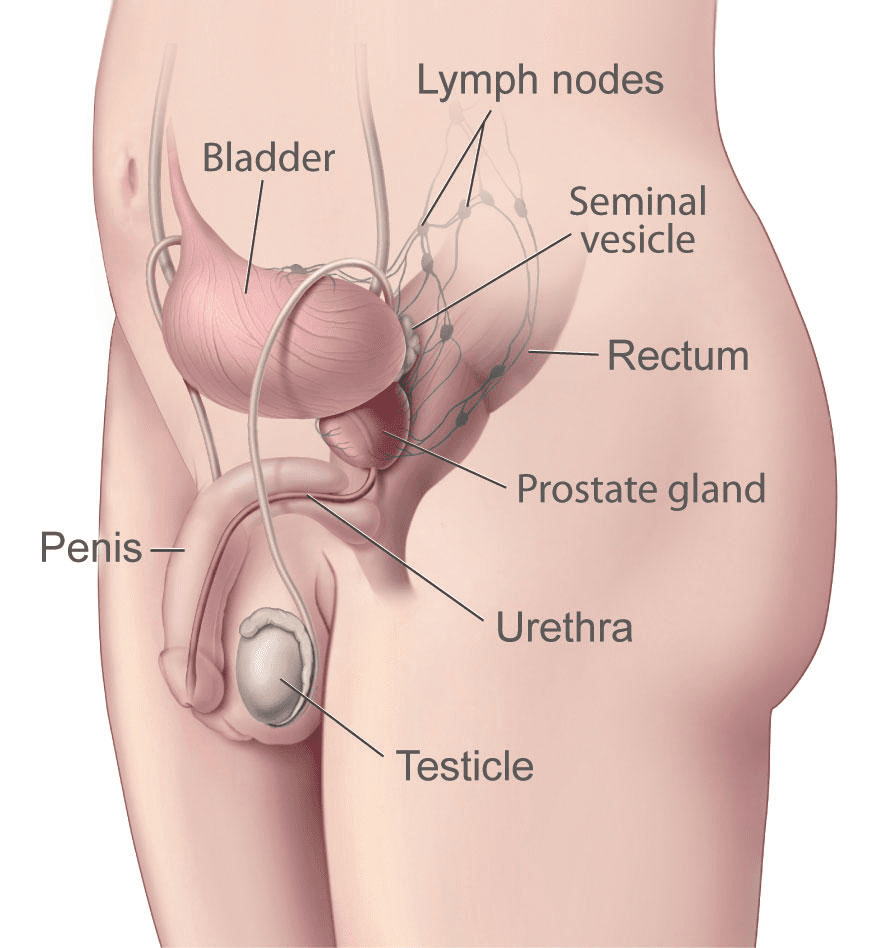
The prostate gland is a walnut-sized gland located below the bladder, surrounding the urethra. As men age, the prostate gland can become enlarged, leading to BPH, which affects up to 50% of men over 50. Prostate cancer is the second most common cancer in men worldwide, with an estimated 1.4 million new cases in 2020.
Download free report on Prostate health wellnes
Major Prostate Conditions (What Every Man Should Know)
Benign Prostatic Hyperplasia (BPH)
A non-cancerous enlargement of the prostate causing:
- Weak urine flow
- Frequent urination
- Nighttime urination
- Dribbling
Prostatitis
Inflammation or infection of the prostate.
Symptoms include:
- Pelvic pain
- Burning during urination
- Painful ejaculation
- Frequent urination
Prostate Cancer
One of the most common cancers in men.
Early stages often have no symptoms, making screening essential.
Symptoms of Prostate Problems That Require Attention.
Seek medical evaluation if you experience:
- Frequent or urgent need to urinate, especially at night
- Weak or interrupted: urine stream
- Difficulty starting: or a slow-dribbling urine stream
- Inability to completely empty: the bladder
- Pain or burning: during urination
- Urgency to get up many times during the night to urinate
- Blood in urine or semen
- Pain or burning urination
- Painful ejaculation
- Erectile dysfunction
- Frequent pain or stiffness in lower back, hips, pelvic or rectal area, or upper thighs
- Dribbling of urine
Read also
22 Myths and Facts About Enlarged Prostate You Need to Know
Unlock the Power of Coconut Oil: 20 Amazing Health Benefits for Your Body
7 Surprising Health Benefits of Bay Leaves You Need to Know.
62 Amazing Health Benefits of Sand Paper
Proven Strategies for Optimal Prostate Health
Nutrition and Diet
Foods That Support Prostate Health
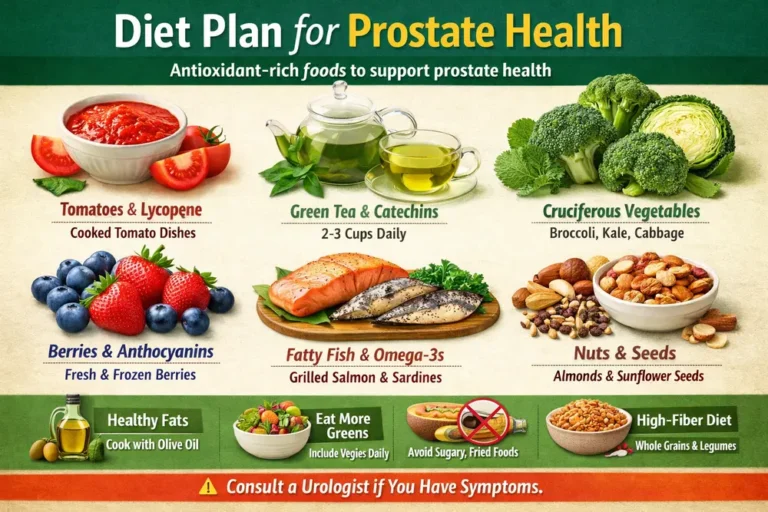
- Tomatoes & Lycopene: Antioxidants may reduce prostate cancer risk.
- Cruciferous Vegetables: Broccoli, cabbage, and cauliflower contain protective compounds.
- Omega-3 Fatty Acids: Found in fish like salmon and sardines, they reduce inflammation.
- Nuts & Seeds: Pumpkin seeds provide zinc, essential for prostate function.
- Whole Grains & Legumes: Fiber supports hormonal balance and digestion.
Foods to Limit
- Processed Meats: High in saturated fats and preservatives.
- Excess Dairy: Some studies suggest a link to increased prostate cancer risk.
- Sugary Drinks & Refined Carbs: Contribute to obesity, a known risk factor.
💡 Tip: Adapt the Mediterranean diet to Nigerian cuisine by emphasizing beans, fish, fresh vegetables, and local fruits.
High consumption may increase prostate cancer risk; opt for plant-based proteins.
Lifestyle and Exercise
- Regular Physical Activity: At least 150 minutes of moderate exercise weekly improves circulation and hormone regulation.
- Weight Management: Obesity increases risk of aggressive prostate cancer.
- Stress Reduction: Yoga, meditation, or prayer can lower cortisol, which influences inflammation.
- Avoid Smoking & Excess Alcohol: Both are linked to higher cancer risk.
Maintain a Healthy Weight: Excess weight increases prostate cancer risk.
Weight Management Tips:
- Eat a balanced diet
- Limit portion sizes
- Increase physical activity
- Regular Physical Activity
- Weight Control: Obesity is linked to increased risk of BPH and aggressive prostate cancer.
- Pelvic Floor Exercises: Strengthen muscles around the prostate and bladder to improve urinary control.
Manage Stress (Your Hormones Depend On It)
Chronic stress can worsen urinary symptoms and inflammation.
Effective approaches include:
- Deep breathing
- Meditation
- Yoga
- Regular sleep routines
- Limiting stimulants like caffeine
Improve Your Sleep
Poor sleep is linked to increased urinary symptoms and higher inflammation.
Helpful habits:
- Consistent sleep schedule
- Dark, quiet bedroom
- Reduced screen time before bed
- Avoiding caffeine after 3 pm
Screening and Medical Care
Early detection saves lives.
- Prostate-Specific Antigen (PSA) Test: Recommended from age 50, or earlier (age 45) for African men or those with family history.
- Digital Rectal Exam (DRE): Detects abnormalities in prostate size and texture.
- Annual Check-Ups: Essential for men over 50.
Understanding Prostate Conditions
- Benign Prostatic Hyperplasia (BPH): Non-cancerous enlargement causing urinary issues.
- Prostatitis: Inflammation or infection of the prostate, often painful.
- Prostate Cancer: Most common cancer in men; early detection is key.
Modern Medical Treatments
BPH
- Alpha-blockers
- 5-alpha-reductase inhibitors
- Minimally invasive procedures (TURP, laser therapy, UroLift)
Prostatitis
- Antibiotics (for bacterial cases)
- Anti-inflammatory medication
- Warm baths
- Pelvic floor therapy
Prostate Cancer
- Active surveillance (early stages)
- Surgery
- Radiation therapy
- Hormonal therapy
- Chemotherapy
- Immunotherapy
Your doctor will tailor treatment based on age, cancer stage, PSA levels, and overall health.
Holistic and Integrative Approaches
– Acupuncture: May relieve pain and urinary symptoms.
– Mindfulness & Meditation: Supports mental health and hormonal balance.
– Functional Medicine: Personalized care addressing root causes
Lifestyle Habits That Protect Your Prostate Long-Term
✔ Limit alcohol and caffeine
✔ Stay hydrated during the day (reduce intake 3 hours before bed)
✔ Quit smoking
✔ Keep sexual health in check
✔ Manage blood pressure and blood sugar
✔ Maintain a healthy waistline
✔ Reduce chronic stress
Herbal & Natural Remedies: Evidence and Realistic Expectations
Not all herbs work equally — and none replace medical care. But some may support symptom relief or general prostate wellness.
Evidence-Supported Natural Options
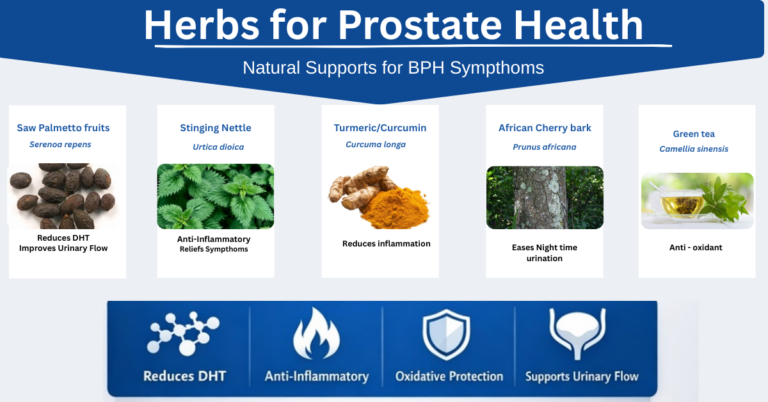
Saw Palmetto: Mixed research; may help mild BPH symptoms.
Pygeum (Prunus africana):May support urinary flow and reduce nighttime urination.
Stinging Nettle Root:Anti-inflammatory; may support hormone balance.
Green Tea Extract:Rich in antioxidants; supports cellular health.
Lycopene:Helpful antioxidant; best absorbed from cooked tomatoes.
Zinc:Supports prostate tissue health (avoid excess supplementation).
⚠️ Important: Herbal remedies should complement—not replace—medical treatment. Always consult a qualified health professional.
20 Nigerian plants with botanical names, parts used, and their potential health benefits, particularly in relation to prostate health
1. Aidan Tree (Tetrapleura tetraptera): Fruit, seeds, bark
2. Bitter Leaf (Vernonia amygdalina): Leaves
3. Saw Palmetto (Serenoa repens): Fruit
4. Neem Tree (Azadirachta indica): Leaves, bark, seeds
5. Guava Tree (Psidium guajava): Leaves, fruit
6. Pawpaw Tree (Carica papaya): Fruit, leaves
7. Moringa Tree (Moringa oleifera): Leaves, seeds
8. Baobab Tree (Adansonia digitata): Fruit, leaves
9. Sour Orange (Citrus aurantium): Fruit, leaves
10. Ginger (Zingiber officinale): Rhizome
11. Turmeric (Curcuma longa): Rhizome
12. African Basil (Ocimum gratissimum): Leaves
13. Lemon Grass (Cymbopogon citratus): Leaves
14. Kola Nut (Cola nitida): Seeds
15. Yohimbe Tree (Pausinystalia johimbe): Bark
16. Pygeum Tree (Prunus africana): Bark
17. Stinging Nettle (Urtica dioica): Leaves, roots
18. Goko Tree (Theobroma cacao): Seeds
19. Dogonyaro Tree (Azadirachta indica): Leaves, seeds
20. Eucalyptus Tree (Eucalyptus globulus): Leaves
Please note that while these plants have been used in traditional medicine, their efficacy and safety may vary. Consult a healthcare professional before using any herbal remedies, especially if you have a pre-existing medical condition or are taking medications.
Prostate Cancer Screening and Prevention
– Prostate-Specific Antigen (PSA) Testing: Blood test to detect prostate cancer
– Digital Rectal Exam (DRE): Physical examination to detect prostate abnormalities
Risk Factors to Understand
- Age: Risk increases after 50.
- Family History: Having a father or brother with prostate cancer doubles risk.
- Ethnicity: African men face higher risk and more aggressive forms of prostate cancer.
- Lifestyle: Poor diet, inactivity, and smoking contribute significantly.
Conclusion
Prostate health is a critical aspect of men’s wellness. By incorporating these proven strategies and herbal remedies, you can transform your life and reduce the risk of prostate problems.
Consult a healthcare professional for personalized advice.
Disclaimer
This article is for educational purposes only. It does not replace professional medical advice. Please consult a healthcare provider for personalized guidance.
References
- World Health Organization – Global Cancer Observatory (Prostate Cancer Fact Sheet, 2025)
- Nigerian Cancer Registry – Prostate Cancer Data (Globocan Nigeria, 2025)
- Giovannucci E. et al. Tomatoes, lycopene, and prostate cancer: review of epidemiologic studies. J Natl Cancer Inst.
- World Cancer Research Fund – Diet and Prostate Cancer Risk (2024 Report)
- Harvard School of Public Health – Physical Activity and Cancer Prevention
- National Cancer Institute (NIH) – Prostate Cancer Screening Guidelines
- American Journal of Men’s Health – Herbal Approaches to Prostate Disease