
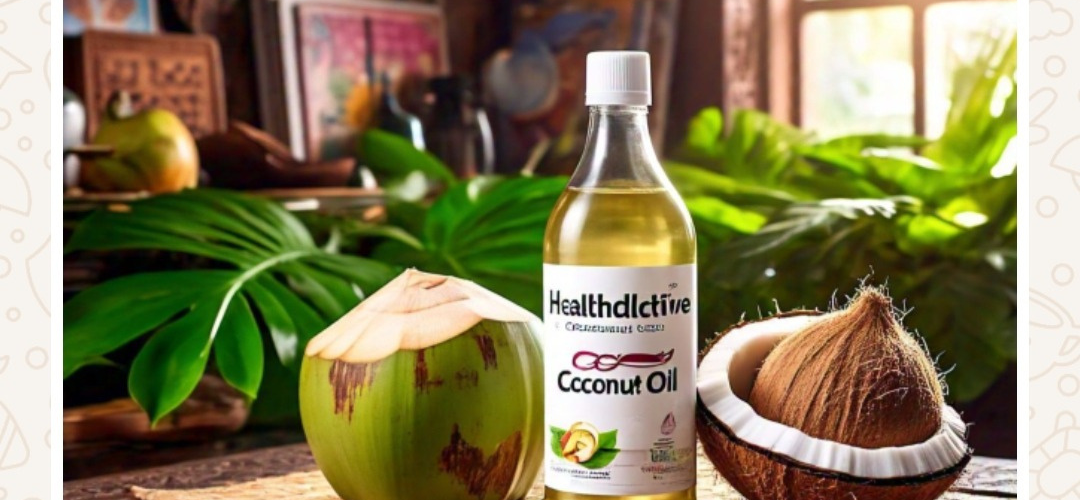

Coconut oil has been a staple in traditional medicine for centuries, and its popularity has only grown in recent years. This versatile oil is extracted from the meat of mature coconuts and is rich in medium-chain triglycerides (MCTs), lauric acid, and other beneficial compounds.
What is Coconut Oil and Its Nutritional Profile?
Coconut oil is an edible oil extracted from the meat of mature coconuts. It is widely used in cooking, skincare, and traditional medicine due to its stability and unique fat composition.
Types of Coconut Oil
- Virgin coconut oil (VCO): Minimally processed, retains natural compounds
- Refined coconut oil: Processed for neutral taste and higher smoke point
Nutritional Composition
Coconut oil is composed primarily of saturated fats, especially medium-chain triglycerides (MCTs) such as lauric acid. Unlike long-chain fats, MCTs are metabolized more quickly for energy. It is a rich source of healthy fats (medium chain fatty triglycerides). These MCT are Lauric acid (45-50%), Capric acid (5-10%), Caprylic acid (5-10%), Oleic acid (2-5%), Linoleic acid (1-3%).
How Coconut Oil Works in the Body
1. Rapid Energy Source
MCTs are absorbed directly into the bloodstream and transported to the liver, where they can be used as a quick energy source rather than stored as fat.
2. Effects on Cholesterol
Coconut oil can:
- Increase HDL (good cholesterol)
- Also raise LDL (bad cholesterol) in some individuals
This dual effect is why its impact on heart health remains debated.
Proven Health Benefits of Coconut Oil
Metabolism and Weight Management
Metabolism, Energy, and Weight Management
1. Metabolic Acceleration and Caloric Burn
Coconut oil is rich in Medium-Chain Triglycerides (MCTs). Research shows that MCTs are sent directly to the liver and used for immediate energy rather than being stored as fat, which can increase your 24-hour energy expenditure.
2. Appetite Suppression and Hunger Control
The metabolism of MCTs produces ketones, which have been shown to have a direct effect on the brain’s hunger hormones, helping to reduce overall calorie intake.
3. Enhanced Physical Endurance
MCTs provide a rapid source of energy that can spare glycogen stores in the muscles, allowing for longer periods of physical activity without fatigue.
4. Improved Mental Clarity and Focus
Ketones serve as a “superfuel” for the brain. They provide an alternative energy source to glucose, which helps clear brain fog and supports long-term cognitive health.
5. Gut Microbiome Balance
Lauric and caprylic acid in coconut oil act as natural antifungals. They are particularly effective at inhibiting the overgrowth of Candida albicans and other harmful pathogens in the gut.
6. Enhanced Nutrient Absorption
Many essential vitamins (A, D, E, and K) are fat-soluble. Coconut oil provides the necessary healthy fats to ensure these nutrients are absorbed effectively by the digestive system.
7. Relief from Digestive Inflammation
The anti-inflammatory properties of virgin coconut oil can help soothe the lining of the stomach and intestines, potentially easing symptoms of indigestion and IBS.
8. Oral Health and Oil Pulling
Oil pulling with coconut oil is a traditional practice proven to reduce the presence of Streptococcus mutans (the bacteria responsible for cavities) and improve gum health.
Dermatological and Hair Care Benefits
9. Natural Skin Barrier Protection
As an occlusive moisturizer, coconut oil creates a protective layer that prevents moisture loss and protects the skin from environmental irritants and allergens.
10. Anti-Aging and Collagen Support
The antioxidants in coconut oil protect skin cells from lipid peroxidation—damage caused by the sun—helping to maintain elasticity and prevent wrinkles.
11. Hair Breakage Prevention
Coconut oil is one of the few oils capable of penetrating the hair shaft to reduce protein loss, making hair stronger and more resilient against heat and styling.
12. Scalp Health and Dandruff Control
By moisturizing a dry scalp and providing antifungal protection, coconut oil addresses the root causes of flaking and dandruff.


Immune Defense and Infection Control
13. Natural Antibiotic Properties
Upon digestion, coconut oil forms monolaurin. This substance can dissolve the lipid membranes of harmful bacteria, providing a natural defense against infections.
14. Viral Defense and Protection
The fatty acids in coconut oil have been shown to disrupt the outer coating of several types of viruses, supporting the immune system during cold and flu season.
15. Anti-Allergic and Anti-Inflammatory Effects
By suppressing pro-inflammatory markers, coconut oil can help reduce the body’s overreaction to allergens and soothe inflammatory skin conditions.
2nternal Organ Function and Disease Prevention
16. Cardiovascular and Heart Health
Coconut oil helps increase “good” HDL cholesterol levels. This improves the cholesterol ratio in the blood, which is a key factor in maintaining heart health.
17. Liver and Kidney Protection
MCTs reduce the workload on the liver by providing an easy-to-process energy source, while its antioxidants protect the kidneys from oxidative stress.
18. Bone Density and Calcium Retention
Coconut oil improves the absorption of calcium and magnesium in the gut, which are essential for maintaining bone strength and preventing osteoporosis.
19. Targeted Anti-Cancer Potential
Studies have demonstrated that lauric acid can trigger apoptosis (programmed cell death) in certain cancer cells, particularly in the colon.
20. Hormonal Balance and Thyroid Support
Healthy fats are the building blocks of hormones. Coconut oil supports the conversion of cholesterol into essential hormones and assists in optimal thyroid function.
How to use Coconut Oil into Your Daily Routine
Coconut oil is a versatile and nutritious oil that can be incorporated into your daily routine in various ways. Here are some tips:
– Use coconut oil for cooking and baking
– Add coconut oil to your smoothies and protein shakes
– Use coconut oil as a natural moisturizer and skin care product
– Apply coconut oil to your hair as a pre-shampoo treatment or as a hair mask
– Use coconut oil as a natural remedy for oral health and bad breath prevention
Recommended Intake
Use sparingly—typically 1–2 tablespoons per day at most, depending on overall diet.
Best Uses
- Medium-heat cooking
- Skin moisturization
- Hair conditioning
When to Avoid It
- If you already consume high amounts of saturated fat
- If advised by a healthcare professional
Coconut Oil vs Other Oils
Coconut Oil vs Olive Oil
- Olive oil: Rich in monounsaturated fats, strongly linked to heart health
- Coconut oil: More stable at high heat but less heart-protective
Coconut Oil vs Palm Oil
- Both are high in saturated fats
- Palm oil contains more long-chain fats, while coconut oil contains more MCTs
Which Is Healthier?
For daily use, oils like olive oil are generally considered more heart-friendly, while coconut oil is better used occasionally or for specific purposes.
Frequently Asked Questions
Is coconut oil actually healthy?
It has some benefits, but it is not a miracle food. Its health impact depends on how much and how often you use it.
Can coconut oil raise cholesterol?
Yes, it can increase both HDL and LDL cholesterol levels.
Is it safe for daily use?
Small amounts may be fine for most people, but daily heavy use is not recommended.
Final Verdict: Is Coconut Oil Worth Using?
Coconut oil sits in a gray area. It offers practical benefits—especially for skin, hair, and occasional cooking—but it is not the superfood it is often marketed to be.
The smartest approach is simple:
- Use it strategically, not excessively
- Don’t rely on it as your main dietary fat
- Balance it with healthier oils like olive oil
Conclusion
Coconut oil is a nutritious and versatile oil that offers numerous health benefits. From weight loss and improved digestion to reduced inflammation and improved skin health, coconut oil is a natural remedy that can be incorporated into your daily routine to promote overall health and wellbeing. Remember to always choose high-quality, organic coconut oil to reap the most benefits.
Disclaimer: The information provided in this blog post is for educational and informational purposes only. It is not intended as medical advice, diagnosis, or treatment. Always consult with a qualified healthcare professional before starting any herbal regimen or making changes to your health routine.
References
- Babu, A. S., et al. (2014). “Virgin coconut oil and its potential cardioprotective effects.” Postgraduate Medical Journal.
- St-Onge, M. P., & Jones, P. J. (2002). Physiological Effects of Medium-Chain Triglycerides: Potential Agents in the Prevention of Obesity. The Journal of Nutrition.
- Stubbs, B. J., et al. (2017). A Ketone Ester Drink Lowers Human Ghrelin and Appetite. Obesity.
- Ogbolu, D. O., et al. (2007). In vitro antimicrobial properties of coconut oil on Candida species in Ibadan, Nigeria. Journal of Medicinal Food.
- Peedikayil, F. C., et al. (2015). Effect of coconut oil in plaque related gingivitis — A preliminary report. Nigerian Medical Journal.
- Agero, A. L., & Verallo-Rowell, V. M. (2004). A randomized double-blind controlled trial comparing extra virgin coconut oil with mineral oil as a moisturizer. Dermatitis.
- Rele, A. S., & Mohile, R. B. (2003). Effect of mineral oil, sunflower oil, and coconut oil on prevention of hair damage. Journal of Cosmetic Science.
- Shilling, M., et al. (2013). Antimicrobial effects of virgin coconut oil and its medium-chain fatty acids on Clostridium difficile. Journal of Medicinal Food.
- Khaw, K. T., et al. (2018). Randomised trial of coconut oil, olive oil or butter on blood lipids in healthy volunteers. BMJ Open.
- Abujawia, M., et al. (2012). Virgin coconut oil prevents bone loss in osteoporosis rat model. Evidence-Based Complementary and Alternative Medicine.
- Fauser, J. K., et al. (2013). Induction of Apoptosis by the Medium-Chain Fatty Acid Lauric Acid in Colon Cancer Cells. Medicina.