

Cutting Through the Confusion on Enlarged Prostate
There are many myths and facts about enlarged prostate men need to know as soon as possible. When it comes to men’s health, few topics are surrounded by as much confusion as prostate enlargement. Many people rely on hearsay, outdated advice, or misleading information, which can lead to unnecessary worry or poor health decisions. Understanding the truth is essential, especially as prostate issues become more common with age.
Whether you’re experiencing symptoms yourself or simply want to stay informed, separating myth from fact is the first step toward making confident, informed health choices.
An enlarged prostate—often referred to medically as benign prostatic hyperplasia (BPH)—is surrounded by confusion, stigma, and misinformation.
As men get older, the possibility of developing an enlarge prostate increases, yet many still struggle to separate myth from reality. From exaggerated fears to outdated advice, these misconceptions can lead to unnecessary worry or missed opportunities for early detection and effective treatment.
Understanding the truth about an enlarged prostate is very important for maintaining urinary health, sexual well-being, and overall quality of life. It does not matter if you are experiencing symptoms or simply want to be proactive, separating the fact from the myth can make a lot of difference.
This article, “22 Myths and Facts About Enlarged Prostate You Need to Know,” breaks down the most common misconceptions and replaces them with clear, accurate insights. By exploring these myths and facts about enlarged prostate, you’ll gain a better understanding of what is normal, what requires medical attention, and how to manage symptoms effectively.
22 common myths and facts about an enlarge prostate
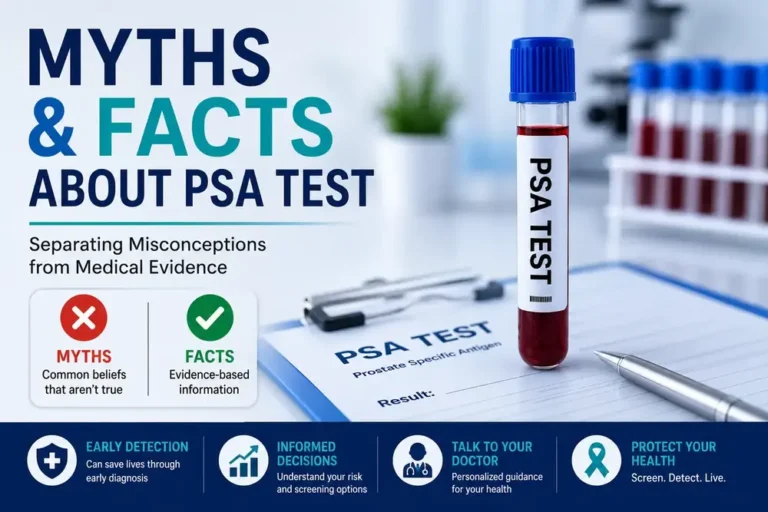
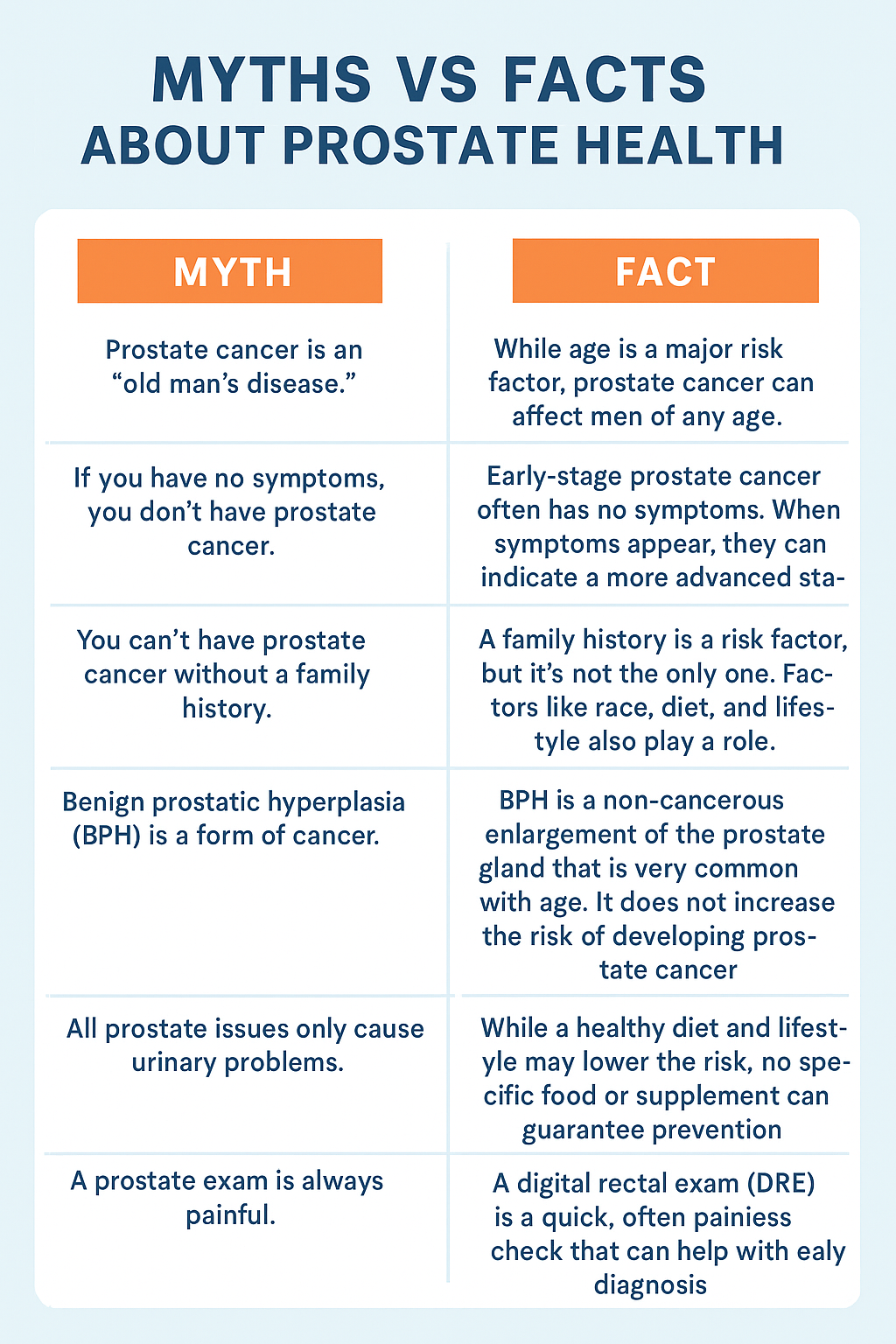
Myth: Prostate cancer is an “old man’s disease.”
Fact: While age is a major risk factor, prostate cancer can affect men of any age.
Myth: If you have no symptoms, you don’t have prostate cancer.
Fact: Early-stage prostate cancer often has no symptoms. When symptoms appear, they can indicate a more advanced stage.
Myth: You can’t have prostate cancer without a family history.
Fact: A family history is a risk factor, but it’s not the only one. Other factors like race, diet, and lifestyle also play a role.
Myth: Benign prostatic hyperplasia (BPH) is a form of cancer.
Fact: BPH is a non-cancerous enlargement of the prostate gland that is very common with age. It does not increase the risk of developing prostate cancer.
Read Also


Myth: All prostate issues only cause urinary problems.
Fact: While BPH primarily affects urination, advanced prostate cancer can cause other symptoms like fatigue, weight loss, and bone pain.
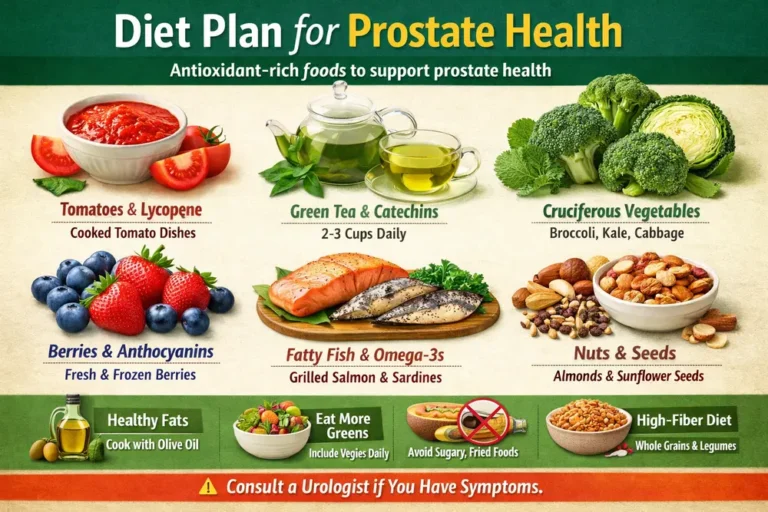
Myth: Dietary supplements or “magic” foods can prevent prostate cancer.
Fact: While a healthy diet and lifestyle may lower the risk, no specific food or supplement can guarantee prevention.

Myth: A prostate exam is always painful and embarrassing
Fact: A digital rectal exam (DRE) is a quick, often painless check that can help with early diagnosis. It is lifesaving.
Myth: The only effective treatment for prostate problems is invasive surgery.
Fact: A range of treatments exists, including medication and less invasive options, to manage symptoms for conditions like BPH.
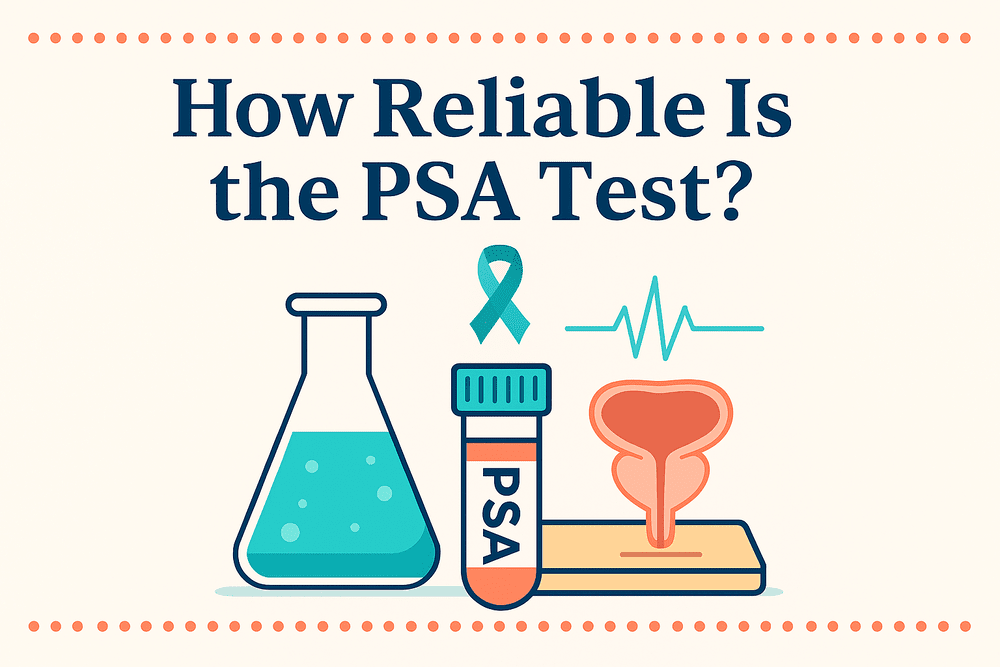
Myth: A high PSA level always means cancer.
Fact: PSA can rise due to BPH, infection, or inflammation—not just cancer.
Myth: A low PSA means you’re cancer-free.
Fact: Some prostate cancers don’t raise PSA levels significantly.
Myth: Vasectomy increases prostate cancer risk.
Fact: Research shows no proven link between vasectomy and prostate cancer.
Myth: Only men over 50 should get screened.
Fact: Men at high risk (family history, African ancestry) may need earlier screening.



Myth: Dietary supplements or “super foods” can prevent prostate cancer.
Fact: No supplement or single food guarantees prevention; balanced diet helps overall health.
Myth: Frequent sex causes prostate cancer.
Fact: There’s no scientific link; some studies suggest regular ejaculation may reduce risk.
Myth: Prostate cancer always leads to death.
Fact: When caught early, prostate cancer has one of the highest survival rates.
Myth: You can’t live normally after prostate treatment.
Fact: Many men recover well and lead active, healthy lives after treatment.
Myth: Only surgery can treat prostate issues.
Fact: Medications, radiation, and less invasive therapies are often effective.
Myths: Drinking lots of water cures prostate problems.
Fact: Hydration supports bladder health but doesn’t cure prostate conditions.
Myth: Prostate problems always mean cancer.
Fact: Most prostate issues, like BPH or prostatitis, are non-cancerous.
Myth: Screening always leads to unnecessary treatment.
Fact: Modern approaches focus on individualized care to avoid over-treatment.
Myth: Once treated, prostate cancer never returns.
Fact: Recurrence can occur; regular follow-up is essential.
Myth: Maintaining prostate health is out of your control.
Fact: Healthy habits—diet, exercise, regular checkups—significantly lower risk
If you are experiencing enlarged prostate symptoms, talk with your doctor.
Wande Apanisile is a Consultant Pharmacist and Pharmacognocist