
You might think you’re checking your blood pressure correctly—but small mistakes could be putting your heart at risk. From talking during the measurement to using the wrong cuff size, these errors can skew your readings by up to 30 mm Hg. That’s the difference between peace of mind and a dangerous misdiagnosis.
Let’s uncover the 12 most common mistakes people make—and how to fix them before it’s too late.
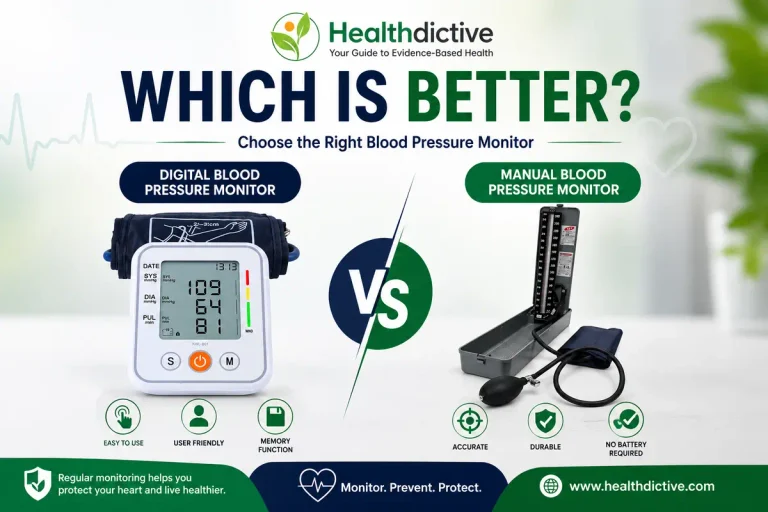
1. Using a Non-Validated Device
Not all BP monitors are created equal. Devices that haven’t undergone clinical validation may produce inaccurate readings.
Use a monitor listed on validated device registries like those from the American Medical Association or the World Hypertension League.
2. Skipping Device Calibration
Even validated devices need regular calibration. A poorly calibrated monitor can drift over time, giving false readings.
Calibrate your device annually or as recommended by the manufacturer.
3. Measuring Immediately After Eating, Smoking, or Exercising
Caffeine, nicotine, and physical activity can temporarily elevate BP.
Wait at least 30 minutes after eating, smoking, or exercising before measuring.
4. Not Resting Before Measuremen
Stress or movement can spike BP. Measuring right after walking or talking can lead to falsely high readings.
Sit quietly for 5 minutes in a relaxed environment before taking your BP.
Read also 10 Health Benefits of Corn Silk you need to know
5. Talking During the Measurement
Even casual conversation can raise systolic BP by 10 to 15 mm Hg.
Stay silent and still during the measurement.
6. Incorrect Cuff Size
Using a cuff that’s too small or too large can distort readings.
Ensure the cuff fits your arm circumference. Most home monitors come with standard cuffs, but larger or smaller sizes are available.
7. Improper Cuff Placement
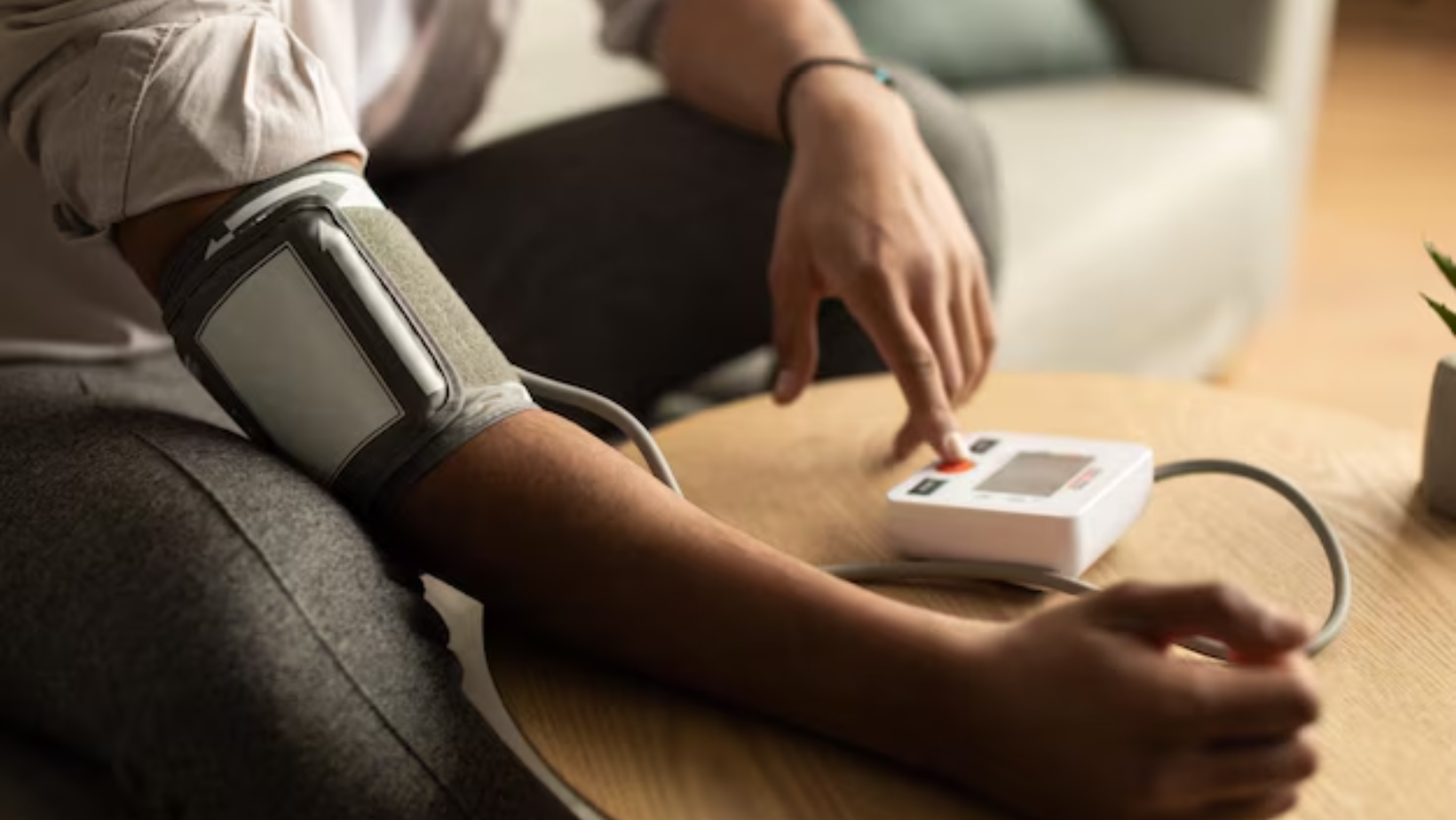
Placing the cuff over clothing or too low/high on the arm affects accuracy. Place the cuff on bare skin, about 1 inch above the elbow crease, aligned with the brachial artery.
8. Unsupported Arm or Back
If your arm or back isn’t supported, muscle tension can raise BP.
Sit in a chair with back support and rest your arm on a flat surface at heart level.
9. Full Bladder
A full bladder can raise systolic BP by up to 33 mm Hg. Empty your bladder before measuring.
10. Measuring Only Once
Single readings can be misleading due to momentary fluctuations.
Take at least two readings, one minute apart, and average them. Repeat at different times of day for a fuller picture.
11. Ignoring the “White Coat Effect”
Anxiety during measurement—especially in clinical settings—can elevate BP.
Consider home monitoring or ambulatory BP monitoring to rule out white coat hypertension.
12. Not Keeping a Log
Tracking BP over time helps identify trends and guides treatment.
Use a BP log or app to record readings, time, and conditions. Share this with your healthcare provider.
Final Thoughts
Blood pressure measurement is deceptively simple—but small errors can have big consequences. By avoiding these 12 mistakes, you can ensure your readings are accurate, reliable, and useful for managing your health.
If you’re unsure about your technique or device, consult your healthcare provider or pharmacist. Accurate BP monitoring is a cornerstone of cardiovascular health—and you deserve the best tools and habits to protect it.
Know someone who checks their BP at home?
Share this article—you could save their life
Disclaimer: The information provided in this blog post is for educational and informational purposes only. It is not intended as medical advice, diagnosis, or treatment. Always consult with a qualified healthcare professional before starting any herbal regimen or making changes to your health routine.
Scientific References
Muntner, P., Shimbo, D., Carey, R. M., Charleston, J. B., Gaillard, T., Misra, S., … & Wright, J. T. (2019). Measurement of blood pressure in humans: A scientific statement from the American Heart Association. Hypertension, 73(5), e35–e66.
Pickering, T. G., Hall, J. E., Appel, L. J., Falkner, B. E., Graves, J., Hill, M. N., … & Roccella, E. J. (2005). Recommendations for blood pressure measurement in humans and experimental animals. Hypertension, 45(1), 142–161.
O’Brien, E., Asmar, R., Beilin, L., Imai, Y., Mallion, J. M., Mancia, G., … & European Society of Hypertension Working Group on Blood Pressure Monitoring. (2003). Practice guidelines of the European Society of Hypertension for clinic, ambulatory and self blood pressure measurement. Journal of Hypertension, 21(5), 821–848.
Stergiou, G. S., Alpert, B., Mieke, S., Asmar, R., Atkins, N., Eckert, S., … & O’Brien, E. (2018). A universal standard for the validation of blood pressure measuring devices. Journal of Hypertension, 36(3), 472–478.
Muntner, P., Shimbo, D., Carey, R. M., Charleston, J. B., Gaillard, T., Misra, S., … & Wright, J. T. (2019). Measurement of blood pressure in humans: A scientific statement from the American Heart Association. Hypertension, 73(5), e35–e66.
O’Brien, E., Asmar, R., Beilin, L., Imai, Y., Mallion, J. M., Mancia, G., … & European Society of Hypertension Working Group on Blood Pressure Monitoring. (2003). Practice guidelines of the European Society of Hypertension for clinic, ambulatory and self blood pressure measurement. Journal of Hypertension, 21(5), 821–848.
Parati, G., Stergiou, G., Asmar, R., Bilo, G., de Leeuw, P., Imai, Y., … & O’Brien, E. (2008). European Society of Hypertension guidelines for blood pressure monitoring at home: A summary report of the Second International Consensus Conference on Home Blood Pressure Monitoring. Journal of Hypertension, 26(8), 1505–1526.
Pickering, T. G., Hall, J. E., Appel, L. J., Falkner, B. E., Graves, J., Hill, M. N., … & Roccella, E. J. (2005). Recommendations for blood pressure measurement in humans and experimental animals. Hypertension, 45(1), 142–161. Stergiou, G. S., Alpert, B., Mieke, S., Asmar, R., Atkins, N., Eckert, S., … & O’Brien, E. (2018). A universal standard for the validation of blood pressure measuring devices. Journal of Hypertension, 36(3), 472–478.